.avif)
Is your HVAC system ready for the retirement home?
Discover how old is too old for an HVAC system in Sacramento. Learn signs to replace, repair vs. replace rules, and boost longevity now!
Discover how old is too old for an HVAC system in Sacramento. Learn signs to replace, repair vs. replace rules, and boost longevity now!

Is Your HVAC System Too Old? Here's What Sacramento Homeowners Need to Know
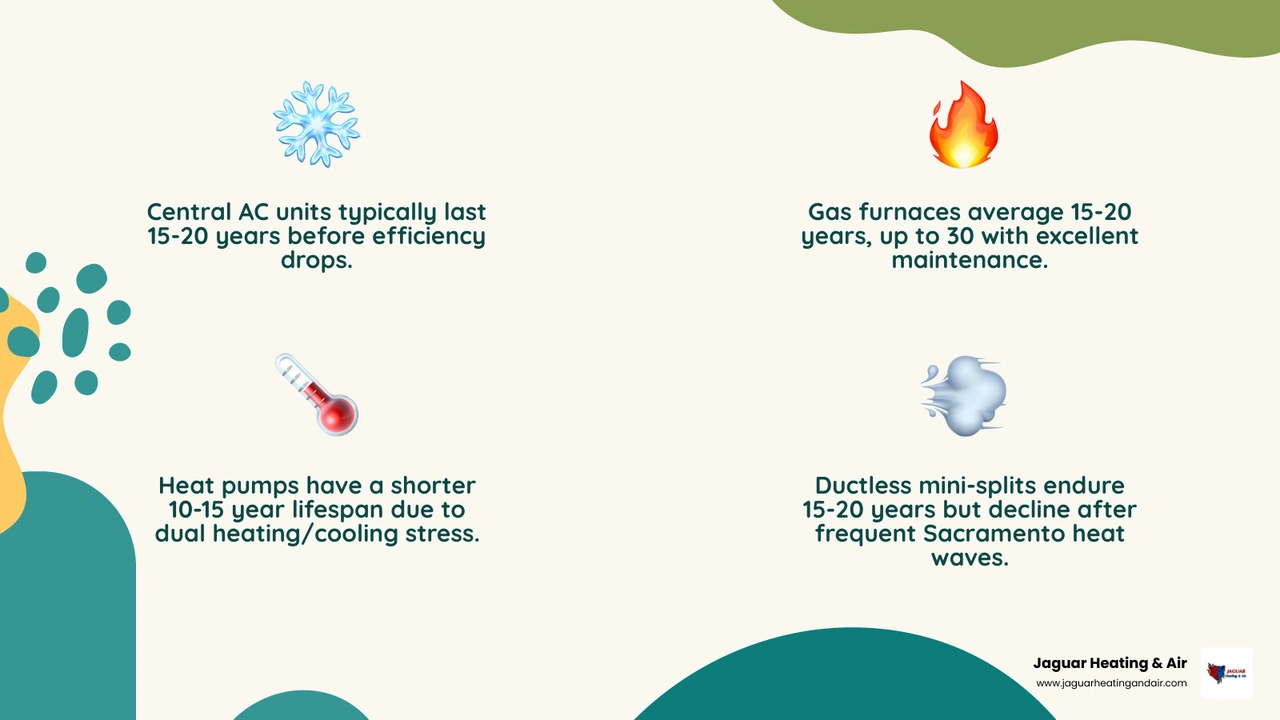
How old is too old for an HVAC system is one of the most common questions homeowners ask — and the honest answer depends on your system type, maintenance history, and how it's been running lately. As a general rule of thumb:
| System Type | Typical Lifespan | Consider Replacement After |
|---|---|---|
| Central Air Conditioner | 15-20 years | 15 years, especially with issues |
| Gas Furnace | 15-20 years | 20 years, sooner if inefficient |
| Heat Pump | 10-15 years | 12-15 years |
| Ductless Mini-Split | 15-20 years | 15+ years with declining performance |
| Boiler | 20-35 years | 20+ years with repairs |
If your system is pushing past these ranges — or sitting right at them and showing signs of trouble — it may be time for a serious conversation.
Here in Sacramento, where summer heat waves routinely push systems to their limits, an aging HVAC unit isn't just an inconvenience. It's a comfort risk, an energy drain, and sometimes a safety concern. Nearly one in three homeowners faces a major breakdown before their system even reaches its expected lifespan. And once a system crosses the 15-year mark, efficiency can drop by 20 to 40 percent — meaning you're paying significantly more to stay less comfortable.
The good news? Knowing what to watch for puts you in control. This guide walks you through exactly how to assess your system's age, what warning signs matter, and when replacing makes more financial sense than repairing.
Understanding the Average Lifespan of Your Home Comfort System
When we talk about home comfort, we aren't just looking at one metal box. Your HVAC system is a complex network of components working in harmony. However, each part of that harmony has a different "expiration date." Understanding these timelines is the first step in determining how old is too old for an HVAC system in your specific home.
In our experience serving areas from Elk Grove to Roseville, we’ve seen systems that give up the ghost at year 10 and others that soldier on until year 30. The difference often comes down to the type of equipment and how it was treated. If you are wondering about the specific timeline for your cooling unit, you might want to check out our guide on the Year Need Replace AC System Folsom CA.
Lifespan by Equipment Type
Different technologies age at different rates. For example:
- Air Conditioners (15–20 Years): Most central AC units are designed to last about two decades. However, in humid or coastal environments, this can drop to 8–14 years due to corrosion. Thankfully, our Sacramento climate is relatively dry, which helps our outdoor condensers last a bit longer.
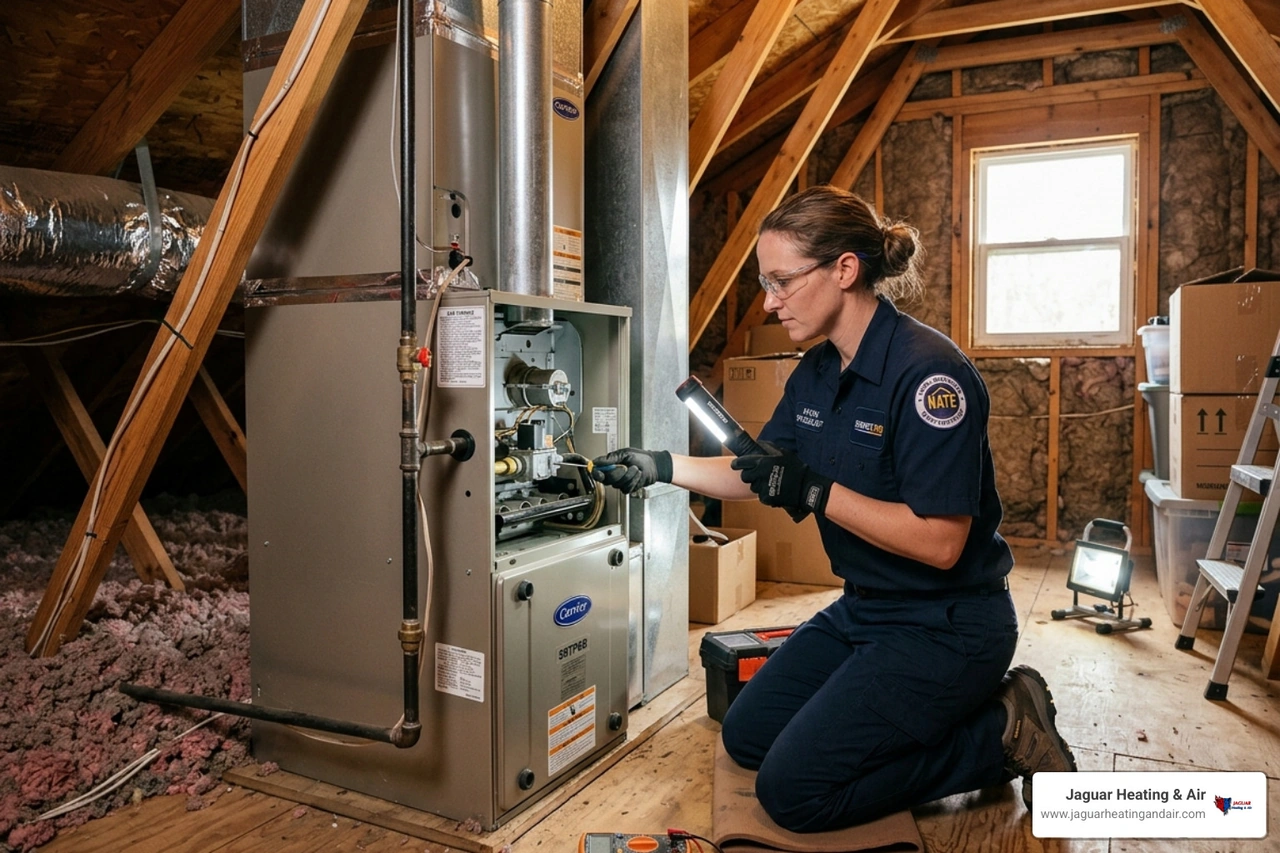
- Gas Furnaces (15–30 Years): Furnaces generally have the longest lifespan of any HVAC component. A well-maintained gas furnace can easily hit the 20-year mark, and some cast-iron boilers can last even longer. If you’re considering an upgrade, buying a new furnace sized correctly is vital to ensuring it reaches that 30-year potential.
- Heat Pumps (10–15 Years): Because heat pumps work year-round to both heat and cool your home, they accumulate "mileage" twice as fast as a standalone AC or furnace. This constant operation usually means they need replacement sooner than other systems.
Factors That Influence Longevity
Age is just a number; "wear and tear" is a measurement of reality. Several factors can either add years to your system’s life or send it to an early grave:
- Installation Quality: This is the most critical factor. A system that was poorly sized or incorrectly installed will struggle from day one, leading to premature component failure.
- Usage Frequency: Do you keep your thermostat at a steady 72 degrees all summer in Rocklin? High demand means the compressor works harder and longer, shortening its life.
- Northern California Climate: While we don't deal with salt air, our triple-digit summer heat waves put immense pressure on cooling systems.
- Maintenance History: Neglecting your system is the fastest way to void your protection. It’s important to know how to keep your HVAC warranty in place through documented professional service.
How old is too old for an hvac system in Sacramento?
In our local region, including Carmichael and Citrus Heights, the 12-to-15-year mark is what we call the "inflection point." This is the age where the risk of a catastrophic, mid-summer failure begins to skyrocket. Reliability engineering uses something called the "bathtub curve" — failure rates are high at the very beginning (infant mortality) and at the very end (wear-out phase).
By the time an AC unit is 12 years old, it has likely completed over 4,000 full cooling cycles and endured thousands of hours of high-pressure operation. If your system was installed back when smartphones were a new novelty, it’s likely using outdated technology that is costing you more than you realize. When you reach this stage, there are important considerations for new AC installation that can significantly improve your home's comfort.
The Impact of Local Climate and Usage
Sacramento heat isn't just uncomfortable; it’s mechanically taxing. During a July heatwave in Lincoln or Woodland, your AC compressor is operating under extreme internal pressures and temperatures. Older systems lose 20–30% of their efficiency over time due to worn-out fan motors, reduced refrigerant levels, and dirty coils. A system that was rated at 13 SEER a decade ago might only be performing at a 9 or 10 SEER level today.
When Technology Becomes Obsolete
Sometimes a system is "too old" simply because the world has moved on. Modern SEER2 standards (introduced in 2023) require much higher efficiency than the units built 15 years ago. Older systems often lack compatibility with smart thermostats or variable-speed technology, which allows a system to run at lower, more efficient speeds rather than just "full blast" or "off." Even something as simple as knowing about HVAC filters can only do so much if the underlying blower motor is 20 years old and struggling to push air through the vents.
Red Flags: Signs Your Aging Unit Needs a Professional Evaluation
If you’re wondering how old is too old for an HVAC system, don’t just look at the manufacture date. Listen to what the machine is telling you. Common "red flags" include:
- Rising Energy Bills: If your utility costs are climbing but your habits haven't changed, your system is working harder to achieve the same results.
- Frequent Repairs: If you’ve called a technician twice in the last year for different issues, you’re likely in the "slow bleed" phase where repair costs will soon exceed the value of the unit.
- Unusual Noises: Rattling, popping, or screeching sounds often indicate failing bearings or a struggling compressor.
- Uneven Temperatures: If the upstairs in your El Dorado Hills home is sweltering while the downstairs is freezing, your system can no longer balance the load.
In some cases, especially with heating, a unit might be beyond repair due to safety or structural integrity issues.
Safety Risks of Older Systems
This is the most serious part of the conversation. As furnaces age, the heat exchanger — the component that keeps combustion gases separate from your breathing air — can develop stress cracks. These cracks can allow carbon monoxide to leak into your home. This is a major safety risk and a primary reason why technicians recommend replacing rather than repairing a furnace once it reaches a certain age. Older electrical contactors can also become pitted and corroded, leading to arcing and potential fire hazards.
Refrigerant Issues and Phase-Outs
The type of refrigerant your system uses is a major factor in its "economic age."
- R-22 (Freon): If your system was built before 2010, it likely uses R-22. Production of R-22 was banned in 2020. It is now incredibly scarce and expensive. A single refrigerant leak in an R-22 system can cost over $1,000 to fix, making replacement the only logical choice.
- R-410A (Puron): While newer than R-22, R-410A is also undergoing a phasedown. As supplies tighten through 2025 and 2026, repair costs for these systems will also begin to rise.
The Financial Decision: When to Repair vs. Replace
How do you decide between writing a check for a repair or a check for a new system? We use two primary "rules of thumb" to help our customers in Rancho Cordova and Fair Oaks make the right choice.
Applying the Rule of 5,000
The Rule of 5,000 is a simple mathematical formula: Age of the system × Cost of the repair.
- If the result is less than 5,000, repair it.
- If the result is more than 5,000, replace it.
Example: A $600 repair on a 12-year-old system equals 7,200. Since this is over 5,000, you are likely throwing good money after bad. However, a $200 capacitor on that same 12-year-old system equals 2,400 — a repair that makes sense to get you through the season.
Efficiency Gains and ROI
Another factor is the "50% Rule." If a repair costs 50% or more of what a new system would cost, you should almost always replace it. Newer systems can reduce your energy bills by 20% to 40%. When you combine those monthly savings with the reasons to maintain your HVAC system, the return on investment (ROI) for a new unit often pays for itself within 4 to 7 years.
| Indicator | Favor Repair | Favor Replacement |
|---|---|---|
| Age | Under 10 years | Over 15 years |
| Repair Cost | Under 25% of new | Over 50% of new |
| Refrigerant | R-410A | R-22 (Freon) |
| Efficiency | Bills are steady | Bills rising 20%+ |
| Reliability | First major issue | 3+ repairs in 2 years |
Maximizing Longevity Through Professional Care
While we’ve spent a lot of time discussing how old is too old for an HVAC system, it’s important to remember that you have the power to "slow down the clock." Regular maintenance is the single most important factor in extending the life of your equipment.
Just as you wouldn't drive a car for 100,000 miles without an oil change, you shouldn't run your HVAC system for years without a tune-up. There are many maintenance tasks homeowners can perform, like changing filters every 30-90 days, but professional service goes much deeper.
The Importance of Regular Servicing
A professional tune-up involves cleaning the coils, checking refrigerant pressures, tightening electrical connections, and lubricating moving parts. This reduces the mechanical strain on the system. When a system doesn't have to work as hard to move air, it lasts longer.
Professional Duct Maintenance
Your ductwork is the "circulatory system" of your home. If the ducts are clogged with dust, pet dander, or debris, your HVAC unit has to work twice as hard to push air through the house. This added static pressure can burn out blower motors prematurely. Understanding how duct cleaning impacts life expectancy can help you keep your system running efficiently well into its second decade.
Frequently Asked Questions About HVAC Age
How old is too old for an hvac system if it still runs?
"It still runs" is not the same as "it is reliable." An 18-year-old system might run today, but its efficiency has likely tanked, and it is at high risk of failing during the first 100-degree day of the year. If you are paying 30% more on your electric bill than your neighbor with a newer system, your "running" unit is actually costing you a "hidden" monthly fee.
How old is too old for an hvac system when selling a home?
In the Sacramento real estate market, a system over 15 years old is often flagged during a home inspection. Buyers may ask for a price reduction or a "credit" to cover the cost of a future replacement. Replacing an aging unit before listing your home can actually increase your resale value and lead to a faster sale.
Can a well-maintained system last 30 years?
It is possible, but rare. While the mechanical parts might hold up, the technology becomes so obsolete that finding replacement parts becomes difficult and expensive. Furthermore, the safety risks (like cracked heat exchangers) become statistically much higher after 25 years. We generally recommend planning for replacement once a system hits 20, even if it’s been perfectly maintained.
Conclusion
At Jaguar Heating & Air, we understand that your HVAC system is one of the most significant investments in your home. Whether you are in Mather, Orangevale, or Granite Bay, our goal is to help you get the most out of that investment.
Knowing how old is too old for an HVAC system helps you move from being reactive (dealing with emergency breakdowns in July) to being proactive (planning an upgrade on your own terms). As a family-owned company and a Trane Comfort Specialist, we pride ourselves on providing honest assessments. We won't tell you to replace a system that just needs a simple tune-up, but we will be upfront with you when a unit has reached the end of its reliable life.
Don't wait for a heatwave to find out your system is ready for retirement. Schedule your professional system evaluation with Jaguar Heating & Air today and ensure your home stays comfortable for years to come.
Recent Posts
HVAC Maintenance: Home Maintenance Tips and Troubleshooting for Fall Heating Startup
Why some systems smell burning during fall startup, and how these home maintenance tips and troubleshooting steps help you decide when to call a professional.
The Fall Seasonal Home Maintenance Checklist: Decoding Heating Startup Smells and Sounds
What that burning dust smell means for your furnace, and how to use this seasonal home maintenance checklist to decide when to call a pro this fall.
Why Does My Heater Smell Like Burning Dust? Common Homeowner Questions Answered & A Fall Guide to AC Repair in Sacramento, CA
Why does your heater smell like burning dust? With common homeowner questions answered, see what we found causes this fall odor and when to call a pro.