.avif)
A Practical Guide to How Mitsubishi Systems Handle Extreme Temperatures
How Mitsubishi Systems Handle Extreme Temperatures: What Every Homeowner Should Know How Mitsubishi systems handle extreme temperatures comes down to one cor…
How Mitsubishi Systems Handle Extreme Temperatures: What Every Homeowner Should Know How Mitsubishi systems handle extreme temperatures comes down to one cor…

How Mitsubishi Systems Handle Extreme Temperatures: What Every Homeowner Should Know
How Mitsubishi systems handle extreme temperatures comes down to one core advantage: they're engineered to keep delivering heat even when outdoor temperatures drop well below freezing — something older heat pumps simply couldn't do.
Here's a quick breakdown of what these systems can actually do:
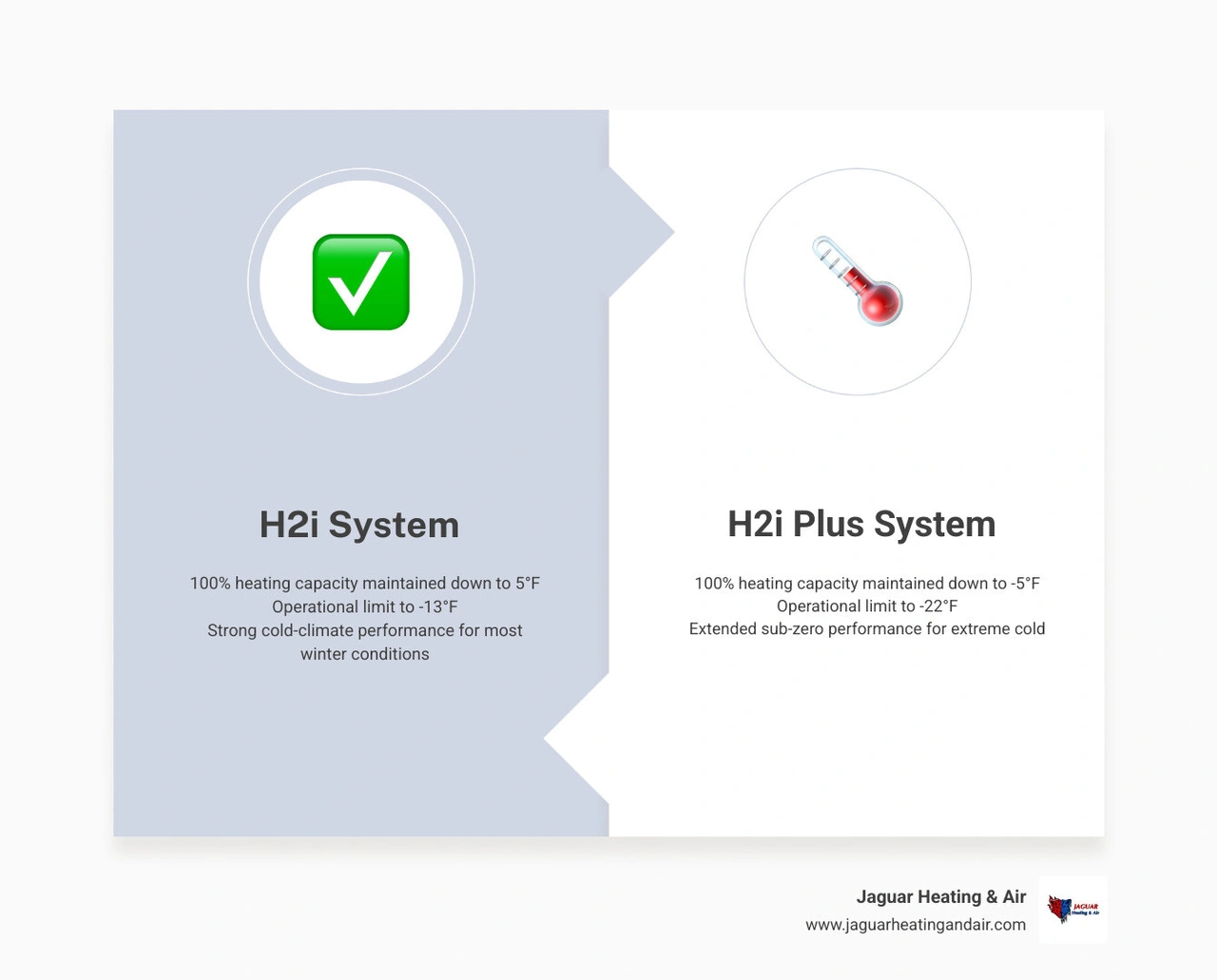
• Standard H2i — 100% Heating Capacity: Down to 5°F — Operational Limit: Down to -13°F
• H2i Plus — 100% Heating Capacity: Down to -5°F — Operational Limit: Down to -22°F
Key things to know at a glance:
• Mitsubishi Hyper-Heating INVERTER (H2i) systems use variable-speed compressors and advanced refrigerant controls to maintain output in extreme cold
• The newer H2i Plus line extends that performance even further — useful heating all the way to -22°F
• COP (efficiency) stays above 2.0 even at sub-zero temperatures, meaning you're still getting more than twice the heat energy out for every unit of electricity in
• These systems are designed to run continuously in cold weather — that's normal, not a problem
Even in Northern California's Sacramento region, winter nights in foothill communities like Folsom, El Dorado Hills, and Rocklin can dip into the low 20s or teens. Understanding how this technology performs gives homeowners real confidence in choosing a heat pump as a primary heating solution.
The sections below explain the technology, compare models, walk through efficiency data, and cover what to do before a winter storm — so you know exactly what to expect from your system.
The Technology Behind How Mitsubishi Systems Handle Extreme Temperatures
When we talk about how mitsubishi systems handle extreme temperatures, we are really talking about a revolution in HVAC engineering. For decades, the "common knowledge" was that heat pumps were only for mild climates like Florida or Southern California. People thought that once the mercury dropped below 40°F, a heat pump would give up and you’d need a backup furnace.
Mitsubishi Electric changed that narrative with their Mitsubishi High Efficiency Systems. The secret sauce is the Hyper-Heating INVERTER (H2i) technology. Unlike traditional systems that are either "on" or "off," these systems use variable-speed compressors.
Think of a traditional compressor like a light switch—it’s either 100% on or 0% off. A Mitsubishi INVERTER compressor is more like a dimmer switch. It can ramp up to high speeds to grab every bit of available heat from the outdoor air, or it can cruise at a low speed to maintain a perfect 72 degrees in your living room. This ability to modulate is exactly why these systems don't "struggle" when it gets cold; they simply adjust their pace.
Advanced Refrigerant Control in Sacramento
In the Greater Sacramento area, we don't often see -20°F, but we do see high humidity and freezing nights that can cause frost buildup. Mitsubishi systems manage this through sophisticated refrigerant flow controls.
When it's extremely cold, the density of the refrigerant changes. Standard units can't move enough refrigerant to carry heat effectively. Mitsubishi’s H2i technology uses a process often called "flash injection." This allows the system to bypass some of the cooling process and inject refrigerant directly into the compressor at a higher pressure. This maintains the mass flow of the refrigerant even when the outdoor air is bitter, ensuring that your Heat Pump Installation Sacramento CA provides the same warmth in January that it does in November.
How Mitsubishi systems handle extreme temperatures with INVERTER technology
The INVERTER technology isn't just about surviving the cold; it’s about comfort. Because the system can modulate its output, you don't get those annoying "hot and cold" swings. You know the ones—where the furnace blasts hot air for ten minutes, then shuts off until you start shivering.
With a Mitsubishi system, the unit stays on, running at exactly the speed needed to match the heat loss of your home. This consistent operation is a major part of the Ultimate Mitsubishi Ductless Guide 2026. It also prevents energy spikes. Starting a motor takes a lot of electricity; by keeping the motor running at a variable speed, Mitsubishi systems save you money on your SMUD or PG&E bills while keeping you perfectly cozy.
Comparing H2i and H2i Plus Performance in Arctic Conditions
If you live in Roseville or Elk Grove, a standard H2i system is usually more than enough. But for our neighbors in the higher elevations of El Dorado Hills or those who want the absolute peak of technology, the H2i Plus is the gold standard.
• 100% Capacity Threshold — H2i (Hyper-Heating): 5°F — H2i Plus: -5°F
• Minimum Operating Temp — H2i (Hyper-Heating): -13°F — H2i Plus: -22°F
• Efficiency at 5°F — H2i (Hyper-Heating): High — H2i Plus: Industry-Leading
The jump from H2i to H2i Plus is significant. While the standard H2i delivers 100% of its rated heating capacity down to 5°F, the H2i Plus pushes that boundary to -5°F. This means even in a once-in-a-decade Arctic blast, your system isn't just "running"—it's running at full strength.
Low-Temperature Thresholds for Folsom Homeowners
For a homeowner in Folsom, these thresholds mean peace of mind. Even if the temperature drops to 15°F during a cold snap, an H2i Plus system is still operating well within its "100% capacity" zone. It doesn't even have to break a sweat.
When you choose a Mini Split Installation Sacramento CA, we look at these thresholds to ensure your system is sized correctly. Usable heat is still available all the way down to -22°F with the Plus models. While we hope you never see those temperatures in the Central Valley, it’s nice to know your system is built for the Adirondacks and can handle anything California throws at it.
How Mitsubishi systems handle extreme temperatures without losing capacity
One of the biggest myths we hear is that heat pumps "lose their breath" when it gets cold. With conventional units, that’s true—their BTU output drops as the temperature falls. Mitsubishi handles this by over-sizing the compressor and using that INVERTER technology to "overclock" the system when needed.
By the time a standard heat pump has lost 40% of its capacity, a Mitsubishi H2i is still at 100%. This is a huge factor when homeowners ask Is a Mitsubishi Ductless System Worth the Investment. You aren't just buying a heater; you're buying a system that maintains its performance regardless of the weather.
Understanding Efficiency and COP in Sub-Zero Weather
Efficiency is measured by the Coefficient of Performance (COP). A COP of 1.0 means that for every $1 of electricity you put in, you get $1 of heat out (this is how electric baseboard heaters work).
Mitsubishi systems are far more impressive. For example, the MSZ-FS09NA model has a COP of 4.54 at 47°F. That means it is 454% efficient! Even when the temperature drops to 5°F, many Mitsubishi models maintain a COP between 1.8 and 2.8. Even at a bone-chilling -13°F, some multi-zone models like the MXZ-4C36NAHZ still achieve a COP of 2.12.
This data is vital for Ductless Installation Sacramento CA because it proves that even in extreme cold, a heat pump is twice as efficient as electric resistance heat.
Real-World Energy Use in Roseville
In Roseville and Rocklin, we generally have mild winters, but we have high heating loads because our homes are often large. A Mitsubishi system’s seasonal COP—the average efficiency over the whole winter—is typically around 3.0 to 3.5.
Because the system modulates, it uses less electricity during those "average" 45-degree nights. It only uses the maximum power when it absolutely has to. This smart energy consumption is why we emphasize Heat Pump Maintenance Sacramento CA. A clean system is an efficient system, and keeping those coils free of debris ensures you get the COP ratings the manufacturer promised.
Winter Storm Preparation and System Maintenance
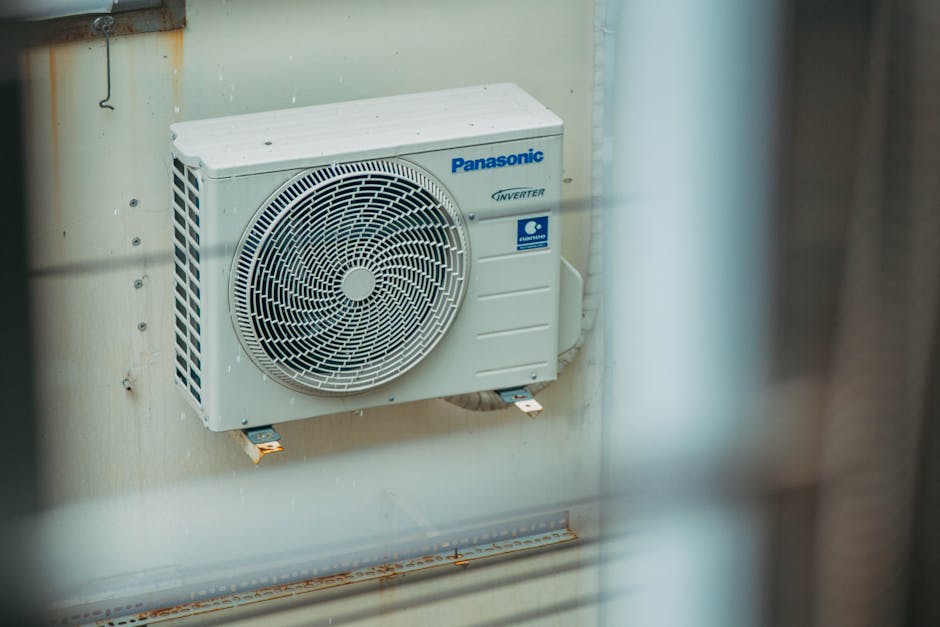
When a winter storm is rolling into the Sacramento Valley or the foothills, you don't want to be worrying about your HVAC. How Mitsubishi systems handle extreme temperatures during a storm depends partly on how they are maintained and situated.
The most important rule for winter? Give your unit space. We recommend at least 18 to 24 inches of clearance around the outdoor unit. If snow or ice piles up against the coils, the system can't "breathe," and its efficiency will plummet. If you live in a spot that gets heavy snow, like the higher parts of El Dorado Hills, make sure the unit is mounted on a stand to keep it above the snow line.
If you notice performance issues during a cold snap, don't wait. Our team provides Heat Pump Repair Sacramento CA to get your system back to peak performance before the next frost hits.
Managing Defrost Cycles and Steam
One of the most common "emergency" calls we get in the winter is: "Help! My outdoor unit is smoking!"
Don't worry—it’s probably just steam. During cold, damp weather, frost builds up on the outdoor coils. To clear this, the system enters a "defrost cycle." It temporarily reverses the flow of refrigerant to warm up the outdoor coils and melt the ice. When this happens, you might see steam rising from the unit, the outdoor fan might stop, and you might hear some "whooshing" sounds.
This is 100% normal behavior. The system is just doing its laundry! However, if the unit becomes a solid block of ice and the steam never stops, that's a sign of an airflow restriction or a sensor issue, and you should call for Mini Split Repair Sacramento CA.
Thermostat Settings for Extreme Cold
The best way to run a Mitsubishi system in the winter is to "Set it and Forget it."
Unlike a gas furnace, which can heat a house up very quickly, heat pumps are designed to maintain a steady temperature. During extreme cold, avoid large setbacks (like turning the heat down to 60°F at night and back to 72°F in the morning). This forces the system to work much harder to "recover." Instead, pick a comfortable temperature and leave it there.
Also, make sure your system is in HEAT mode, not AUTO. In AUTO mode, if the sun warms up your living room through a window, the system might accidentally switch to cooling, which is the last thing you want during a winter storm. For any issues with your controls, our Ductless Repair Sacramento CA specialists can help you calibrate your thermostat for maximum comfort.
Why Professional Installation Matters for Cold-Climate Reliability
You can buy the best Mitsubishi H2i Plus system in the world, but if it’s installed poorly, it will fail when it gets cold. At Jaguar Heating & Air, we understand the local nuances of Heat Pump Installation Sacramento CA.
Proper installation involves:
1. Sizing Accuracy: We perform a Manual J load calculation to ensure the system can handle the coldest night of the year in your specific town, whether that’s Woodland or Carmichael.
2. Drainage: In the winter, the outdoor unit produces a lot of condensate during defrost cycles. If that water isn't drained away properly, it can freeze into an "ice mountain" under your unit, eventually damaging the fan.
3. Placement: We avoid placing units directly under roof valleys where snow and ice can fall and crush the equipment.
4. Line Set Protection: Ensuring the refrigerant lines are properly insulated is the difference between a COP of 2.5 and a COP of 1.5.
Frequently Asked Questions about Mitsubishi Low-Temp Performance
Do Mitsubishi cold-climate heat pumps require a backup heating source?
In the Sacramento region, the answer is almost always no. Because Mitsubishi H2i systems provide 100% heating capacity down to 5°F, they are more than capable of serving as the primary heat source.
We design our systems to meet the "99% design load"—which is the temperature that the area stays above for 99% of the winter. In our service areas like Citrus Heights and Rancho Cordova, that temperature is well within the 100% capacity range of a Mitsubishi system. You don't need a backup furnace or expensive electric heat strips.
Why is my outdoor unit producing steam during a snowstorm?
As mentioned earlier, this is the defrost mode. The system is melting ice off the coils to keep the air flowing. You might notice the indoor fan pauses for a few minutes during this time so it doesn't blow cold air on you. It’s a sign that the system’s "brain" is working exactly as it should to handle the extreme weather.
How should I protect my outdoor unit from heavy snow and ice?
The best protection is clearance. Keep 18-24 inches of space around the unit. If you live in an area prone to falling ice from the roof, we can install a protective "snow hood" or overhead cover. Just make sure any cover you use doesn't block the airflow of the unit itself. Regular Heat Pump Maintenance Sacramento CA is the best way to ensure your unit is ready for the heavy lifting of winter.
Conclusion
At Jaguar Heating & Air, we've seen how mitsubishi systems handle extreme temperatures in homes across Elk Grove, Folsom, and Sacramento. These systems aren't just "alternative" heaters anymore—they are the premier choice for homeowners who want efficiency, reliability, and whisper-quiet comfort.
As we move through May 2026, the technology has only gotten better. Whether you’re looking to replace an old gas furnace or you’re building a new home in Granite Bay, a Mitsubishi Hyper-Heat system is a future-proof investment.
If you want to experience the difference that NATE-certified expertise and Mitsubishi technology can make in your home, reach out to us today. From same-day service to our 100% satisfaction guarantee, we are here to ensure your home stays a sanctuary, no matter what the thermometer says. Explore our Mitsubishi High Efficiency Systems and let's get your home ready for the next extreme season.
Recent Posts
HVAC Maintenance: Home Maintenance Tips and Troubleshooting for Fall Heating Startup
Why some systems smell burning during fall startup, and how these home maintenance tips and troubleshooting steps help you decide when to call a professional.
The Fall Seasonal Home Maintenance Checklist: Decoding Heating Startup Smells and Sounds
What that burning dust smell means for your furnace, and how to use this seasonal home maintenance checklist to decide when to call a pro this fall.
Why Does My Heater Smell Like Burning Dust? Common Homeowner Questions Answered & A Fall Guide to AC Repair in Sacramento, CA
Why does your heater smell like burning dust? With common homeowner questions answered, see what we found causes this fall odor and when to call a pro.