.avif)
How an Energy Audit Reveals Hidden HVAC Waste
Why Understanding How an Energy Audit Reveals Hidden HVAC Waste Could Cut Your Energy Bills How an energy audit reveals hidden HVAC waste comes down to one s…
Why Understanding How an Energy Audit Reveals Hidden HVAC Waste Could Cut Your Energy Bills How an energy audit reveals hidden HVAC waste comes down to one s…

Why Understanding How an Energy Audit Reveals Hidden HVAC Waste Could Cut Your Energy Bills
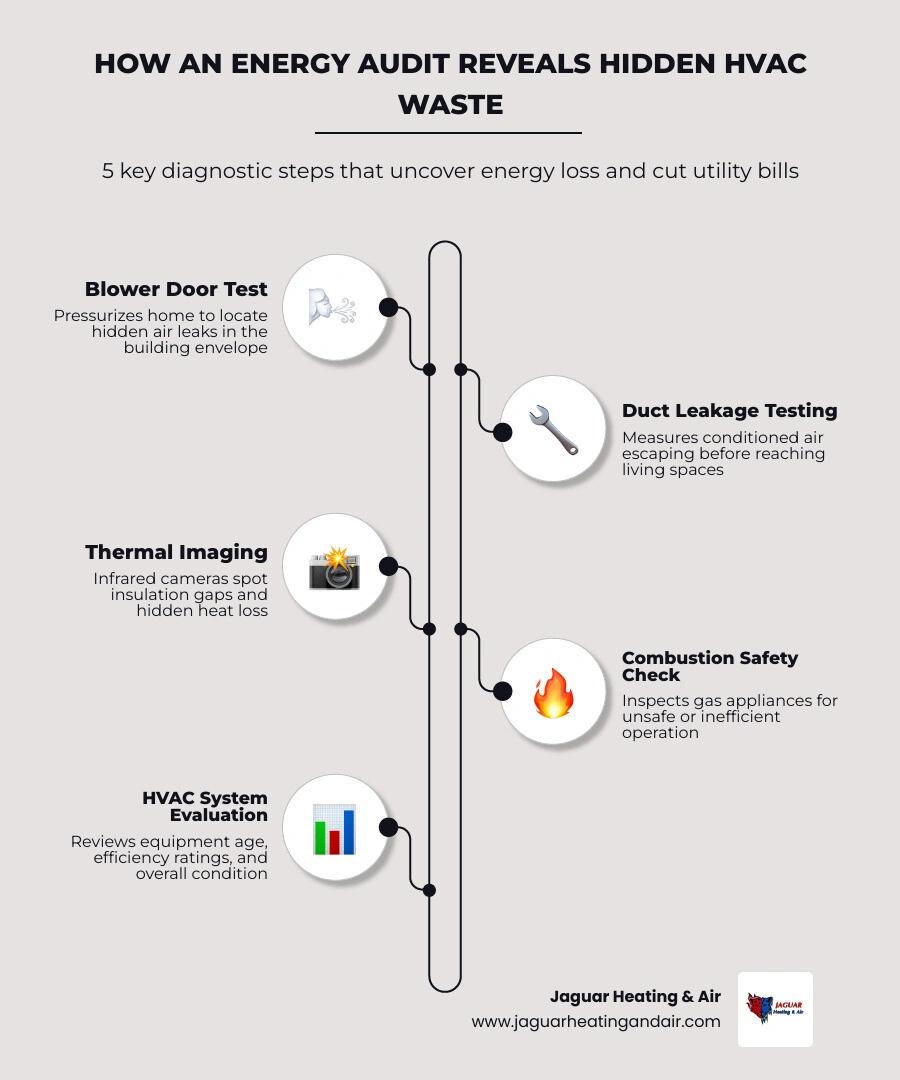
How an energy audit reveals hidden HVAC waste comes down to one simple idea: a trained professional uses specialized diagnostic tools to find where your heating and cooling system is losing energy — energy you're already paying for but never benefiting from.
Here's a quick summary of how it works:
1. Blower door test — pressurizes your home to locate air leaks in the building envelope
2. Duct leakage testing — measures how much conditioned air escapes before reaching your living spaces
3. Thermal imaging — uses infrared cameras to spot insulation gaps and hidden heat loss
4. Combustion safety check — inspects gas appliances for unsafe or inefficient operation
5. HVAC system evaluation — reviews equipment age, efficiency ratings, and overall condition
If your energy bills keep climbing — or some rooms in your Sacramento-area home never seem to reach the right temperature — there's a good chance your HVAC system is working harder than it should. The U.S. Department of Energy estimates that 25 to 40 percent of energy is wasted in the average American home, and a significant portion of that waste runs straight through your heating and cooling system. Leaky ducts alone can drain up to 30 percent of your HVAC output before it ever reaches you.
The frustrating part? Most of these problems are invisible. You can't see air escaping through a duct joint in your attic or feel heat slipping through a gap behind your drywall. That's exactly why a professional energy audit is so valuable — it replaces guesswork with real data and shows you precisely where your system is failing.
What is a Home Energy Audit and How It Targets HVAC Inefficiency
To understand why your heating and cooling bills are sky-high, you have to look at your house as a single, interconnected machine. A home energy audit is a comprehensive physical exam for your property's energy health. Instead of looking at your furnace or air conditioner in a vacuum, an energy audit evaluates how these systems interact with your entire home.
When we talk about how an energy audit reveals hidden HVAC waste, we are looking closely at the relationship between your mechanical systems and your home's building envelope. The building envelope consists of the walls, roof, windows, flooring, and insulation that separate your conditioned indoor air from the wild outdoor elements of Northern California.
If your building envelope is full of microscopic holes or lacks proper thermal resistance, your HVAC performance will suffer. Your air conditioner might be running at peak factory efficiency, but if the cool air is immediately escaping into your attic, you are wasting money. By scheduling an assessment, you can discover The Bright Side of Energy Audits to Uncover Savings and Sustainability and stop watching your hard-earned dollars drift out of your roof.
Uncovering this hidden energy waste is especially critical for local homeowners facing extreme seasonal shifts. From blistering summer afternoons in Rancho Cordova to chilly, damp winter mornings in Folsom, our heating and cooling systems work overtime. If you find yourself wondering why your utility costs are suddenly breaking the budget, and you live in places like Elk Grove, it might be time to take action. You can read more about what to do when your Energy Bills Too High Elk Grove CA Consider Energy Audit options to pinpoint the root cause of the problem.
Understanding How an Energy Audit Reveals Hidden HVAC Waste
So, how does this diagnostic process actually target the waste? An energy audit uses advanced system diagnostics to analyze your home's thermal envelope and map your historical energy consumption patterns.
Normally, when a homeowner notices a draft or an unusually warm room, they might assume they need a brand-new air conditioner. However, a comprehensive audit often reveals that the air conditioning unit itself is perfectly fine. Instead, the real culprit might be a massive air leak in the attic or a disconnected return duct drawing in 120-degree air from the crawlspace.
By analyzing your utility bills over a 12-month period and comparing that data with real-time pressure and temperature readings, we can see exactly where the mechanical systems are being forced to overwork. For example, before the winter chill sets in, it is wise to Schedule Energy Savings Audit Before Turning on Heater systems. This proactive step ensures you aren't firing up a heater that is destined to waste 30% of its output through dusty, unsealed bypasses.
Diagnostic Tools Used to Uncover System Inefficiencies
Professional energy auditors don’t rely on visual inspections alone. To find the invisible currents of air and thermal bridges that waste your conditioned air, we use specialized, high-tech diagnostic tools.
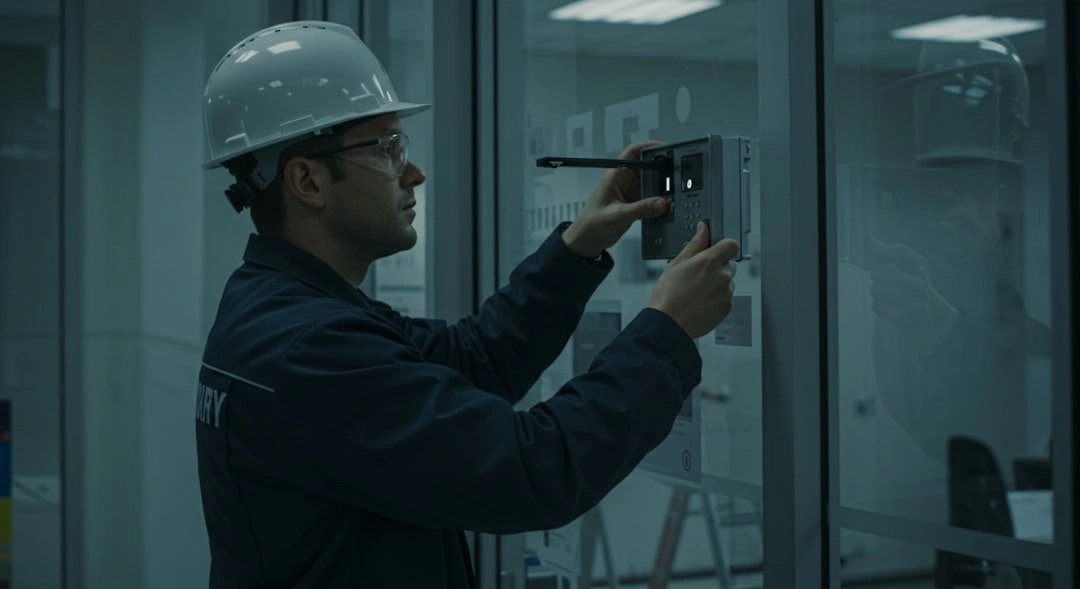
These tools allow us to measure, quantify, and visualize energy loss. Here is a breakdown of the primary tools used during a professional energy audit and what they reveal about your home's HVAC efficiency:
• Blower Door Test — What It Measures / Detects: Total home air leakage and infiltration rate — How It Reveals HVAC Waste: Pinpoints cracks in the building envelope that force the HVAC to run continuously.
• Thermal Imaging (Infrared) — What It Measures / Detects: Surface temperature differences across walls and ceilings — How It Reveals HVAC Waste: Identifies missing insulation, thermal bridging, and hot/cold air bypasses.
• Duct Leakage Testing — What It Measures / Detects: Airflow escaping from the duct system — How It Reveals HVAC Waste: Measures the exact percentage of conditioned air lost to unconditioned attics or crawlspaces.
• Combustion Safety Check — What It Measures / Detects: Carbon monoxide levels, draft pressure, and gas leaks — How It Reveals HVAC Waste: Ensures furnaces and water heaters burn fuel safely and vent exhaust gases properly.
Advanced Diagnostics: How an Energy Audit Reveals Hidden HVAC Waste
When these tools are combined, they paint a complete picture of your home’s aerodynamic and thermal performance.
For instance, during a blower door test, we temporarily mount a powerful fan into the frame of an exterior door. This fan pulls air out of the house, lowering the indoor air pressure. Because the pressure inside is lower than outside, outdoor air rushes in through every crack, gap, and unsealed penetration.
While the home is depressurized, we walk through the rooms with infrared cameras. These thermal imaging devices detect subtle differences in temperature. On the camera screen, a drafty window frame or a section of wall missing its fiberglass insulation glows a bright, telling blue (in winter) or a hot orange (in summer). This visual evidence shows you exactly where outdoor air is invading your living space and diluting your comfortable, conditioned indoor air.
At the same time, ductwork testing allows us to isolate your supply and return registers to measure pressure drops. Since 25% to 40% of the heating and cooling energy produced by a standard furnace or heat pump can be lost through unsealed ductwork, this test is incredibly eye-opening. If your ducts are leaking 30% of their air into the attic, your system has to run 30% longer just to keep your living room comfortable. Pressure diagnostics show us exactly where those leaks are hiding so they can be sealed permanently.
Common Inefficiencies: How an Energy Audit Reveals Hidden HVAC Waste
Over years of performing energy evaluations throughout the Sacramento region—from Roseville down to El Dorado Hills—we have found that most homes suffer from the same handful of hidden HVAC issues.
Here are the most common culprits of hidden HVAC waste uncovered during an audit:
• Duct Leaks: Over time, the mastic sealant, foil tape, and plastic straps holding your ductwork together degrade. This leads to disconnected branches and gaping seams. Duct leaks can waste up to 30% of your HVAC system output, forcing your equipment to work harder and wear out faster.
• Poor or Settled Insulation: Even if your home was insulated when it was built, insulation can settle, degrade, or be disturbed by pests. Gaps in attic insulation create thermal bypasses where heat easily transfers into or out of your home.
• Airflow Restrictions: Clogged filters, crushed flex ducts, or poorly designed return grilles choke your HVAC system. When airflow is restricted, the blower motor must work twice as hard to move air, leading to premature motor failure and high electricity bills.
• Outdated or Oversized Equipment: Many older homes feature heating and cooling systems that are vastly oversized. Without an audit-informed load calculation (known as a Manual J calculation), contractors in the past often installed oversized units. These systems "short-cycle" (turn on and off rapidly), which ruins efficiency and degrades indoor air quality.
To keep your system running smoothly between professional visits, there are several simple habits you can adopt. Check out these Tips Boost HVAC Efficiency to minimize everyday wear and tear. Additionally, you might be surprised to learn how exterior elements affect your system's workload; discover How Landscaping Boost HVAC Efficiency by strategically placing trees and shrubs to shade your outdoor condenser unit.
Differentiating Maintenance, Sealing, and Upgrades
Once an energy audit is complete, the resulting report provides a clear roadmap for action. One of the greatest benefits of an audit is that it prevents you from spending money on the wrong solutions. It clearly differentiates between problems that require simple maintenance, targeted sealing, insulation upgrades, or a complete system replacement.
For instance, if your system is short-cycling, an auditor can tell you if the issue is a simple duct restriction (which can be fixed with duct sealing or repair) or if the HVAC unit itself is fundamentally oversized and needs a modern, variable-speed replacement.
If it turns out you do need a system upgrade, living in California comes with some fantastic financial perks. There are numerous state and federal programs designed to help offset the cost of energy-efficiency improvements. You can learn How to Get Paid to Upgrade Your California Homes HVAC through modern heat pump incentives and local utility programs. Navigating these options can seem daunting, but we can guide you through Navigating the California Energy Rebate Application Process so you don't leave any money on the table.
Signs Your Sacramento Home Needs an Energy Audit
How do you know if your home is a prime candidate for an energy audit? While every home can benefit from a professional assessment, certain warning signs indicate your property is actively wasting significant amounts of energy.
• Uneven Temperatures: If your upstairs feels like a sauna while your downstairs is freezing, your home has poor thermal boundary alignment or duct imbalances.
• Persistent Drafts: If you can feel air moving near your electrical outlets, baseboards, or window trim on a windy day, your building envelope is leaking.
• High Utility Bills: If your SMUD or PG&E bills are significantly higher than your neighbors' homes of a similar size, your HVAC is likely working overtime to combat leaks.
• Poor Indoor Air Quality: Excessive dust, indoor allergies, or musty smells often point to leaky return ducts pulling dusty, dirty air from your attic or crawlspace directly into your breathing air.
• Frequent System Cycling: An air conditioner or furnace that constantly turns on and off is struggling to maintain a steady temperature due to rapid heat loss or gain.
If you recognize any of these issues in your household, starting the year with a professional assessment is a smart move. You can Start Year Off Right Energy Savings Audit scheduling to pinpoint these hidden issues before seasonal weather extremes arrive.
Frequently Asked Questions About HVAC Energy Audits
What is the difference between a DIY audit and a professional HVAC audit?
A DIY audit is a great starting point for homeowners. It typically involves a visual inspection of weatherstripping, checking filter cleanliness, looking for obvious gaps around plumbing penetrations, and inspecting attic insulation depth with a tape measure.
However, a DIY audit cannot replicate the precision diagnostics of a professional assessment. Without specialized equipment like calibrated blower doors, digital manometer pressure gauges, and infrared thermal cameras, it is impossible to measure exact duct leakage or find hidden drafts behind plaster and drywall.
While a DIY approach might find 20% of the most obvious leaks, a professional audit provides the data-rich roadmap required for deep energy savings. To understand how professional diagnostics fit into a broader home care strategy, check out our guide on How to Maintain Your Heating and Cooling System.
How long does a professional home energy audit take?
The typical audit duration is between 2 and 4 hours, though this can vary depending on the home size and the complexity of the architectural layout.
During the inspection process, the technician will need access to every room in your home, as well as unconditioned spaces like the attic, basement, or crawlspace. They will set up the blower door, perform the duct pressurization tests, run combustion safety checks on your gas appliances, and walk the property with thermal imaging cameras.
Taking a few hours out of your day for this process pays massive dividends over the lifespan of your home. If you want to dive deeper into why these assessments are so crucial for your equipment's health, read about the top Reasons Maintain Homes HVAC System.
What should I do to prepare my home for an energy auditor?
To get the most out of your professional energy audit, a little preparation goes a long way:
• Gather Your Utility Bills: Have at least 12 months of electricity and gas bills ready. This historical data helps us understand your baseline energy consumption patterns.
• Clear Access Points: Ensure the auditor has clear, unblocked access to your HVAC equipment (furnace, air conditioner, heat pump), water heater, and electrical panel.
• Clear the Attic Hatch and Crawlspace Access: The auditor will need to physically inspect these areas to measure insulation depth and check ductwork. Please move any storage boxes or furniture blocking these hatches.
• Close All Windows and Exterior Doors: To perform an accurate blower door test, the home must be completely closed up.
• Keep Pets Secured: Because the technician will be moving in and out of exterior doors and setting up large equipment, keeping your pets in a safe, secure room is highly appreciated.
Conclusion
At Jaguar Heating & Air, we believe that you shouldn't have to guess why your home isn't as comfortable or energy-efficient as it should be. How an energy audit reveals hidden HVAC waste is by replacing assumptions with scientific data, giving you a clear, prioritized energy efficiency roadmap for your property.
Whether you need simple air sealing, a duct system rebuild, or a modern, high-efficiency Trane heat pump, our NATE-certified technicians are here to help. We proudly serve homeowners across the greater Sacramento area, including Elk Grove, Folsom, Roseville, Rocklin, and El Dorado Hills.
Are you ready to stop wasting energy and start enjoying reliable, year-round comfort? Schedule your professional energy savings audit today with the local team you can trust.
Recent Posts
The Truth About Chemical Coil Cleaners and Your AC's Longevity
While a sparkling clean condenser unit looks great, acidic sprays might be secretly destroying your equipment. See why we refuse to use them during fall tune-ups.
Why We Inspect Your Ductwork's Mastic Seal During Cooling Diagnostics
Before transitioning to fall heating, checking the 1990s-era mastic tape on your ductwork is crucial. Degraded attic seals waste expensive conditioned air long before your AC unit fails.
What a Rattling Outdoor Fan Blade Means for Your AC's Lifespan
A vibrating condenser fan creates micro-vibrations that act as a ticking time bomb for delicate copper lines. Find out why you shouldn't ignore this fall noise.