.avif)
All About HVAC Maintenance Visit Details
Discover what does an HVAC maintenance visit include for cooling and heating systems in Sacramento with our expert guide.
Discover what does an HVAC maintenance visit include for cooling and heating systems in Sacramento with our expert guide.

What Does an HVAC Maintenance Visit Include? Here's Your Quick Answer
What does an HVAC maintenance visit include is something every Sacramento-area homeowner should understand before the next season hits. Most people don't think about their HVAC system until something goes wrong — and by then, a small, preventable issue has often turned into a costly repair or an emergency call on a 100-degree July afternoon.
A well-maintained system lasts longer, runs more efficiently, and is far less likely to fail when you need it most. According to industry data, regular preventive maintenance can improve the lifetime of an HVAC unit by up to 48% — and neglected systems can lose 10% to 30% of their efficiency over time.
Here's a quick overview of what a professional HVAC maintenance visit typically covers:
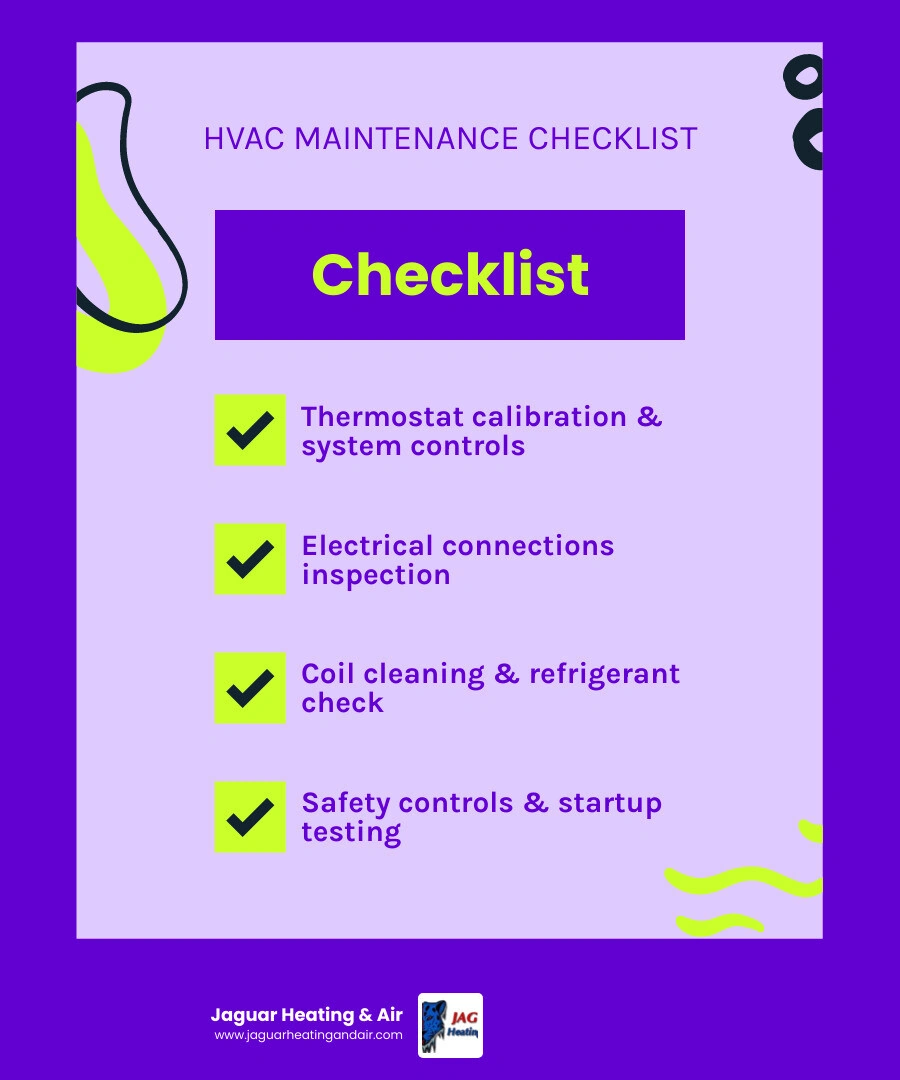
- Thermostat calibration and system controls check
- Electrical connections inspection and tightening
- Lubrication of moving parts
- Condensate drain inspection and clearing
- Evaporator and condenser coil cleaning
- Refrigerant level check
- Blower motor and fan inspection
- Air filter inspection or replacement
- Heat exchanger inspection (heating systems)
- Gas connections and burner combustion check (gas systems)
- Safety controls and startup cycle testing
- Ductwork visual inspection
The sections below break down each of these steps in detail — including what's cooling-specific, what's heating-specific, and what you can handle yourself between visits.
What Does an HVAC Maintenance Visit Include?
When a NATE-certified technician arrives at your home in Roseville, Elk Grove, or Folsom, they don’t just wave a magic wand and hope for the best. A true, comprehensive maintenance appointment is a highly technical, multi-step process designed to keep your heating and cooling system operating at peak performance.
Let's explore the core tasks that apply to almost every system, regardless of the season.
1. Thermostat Calibration and System Controls Check
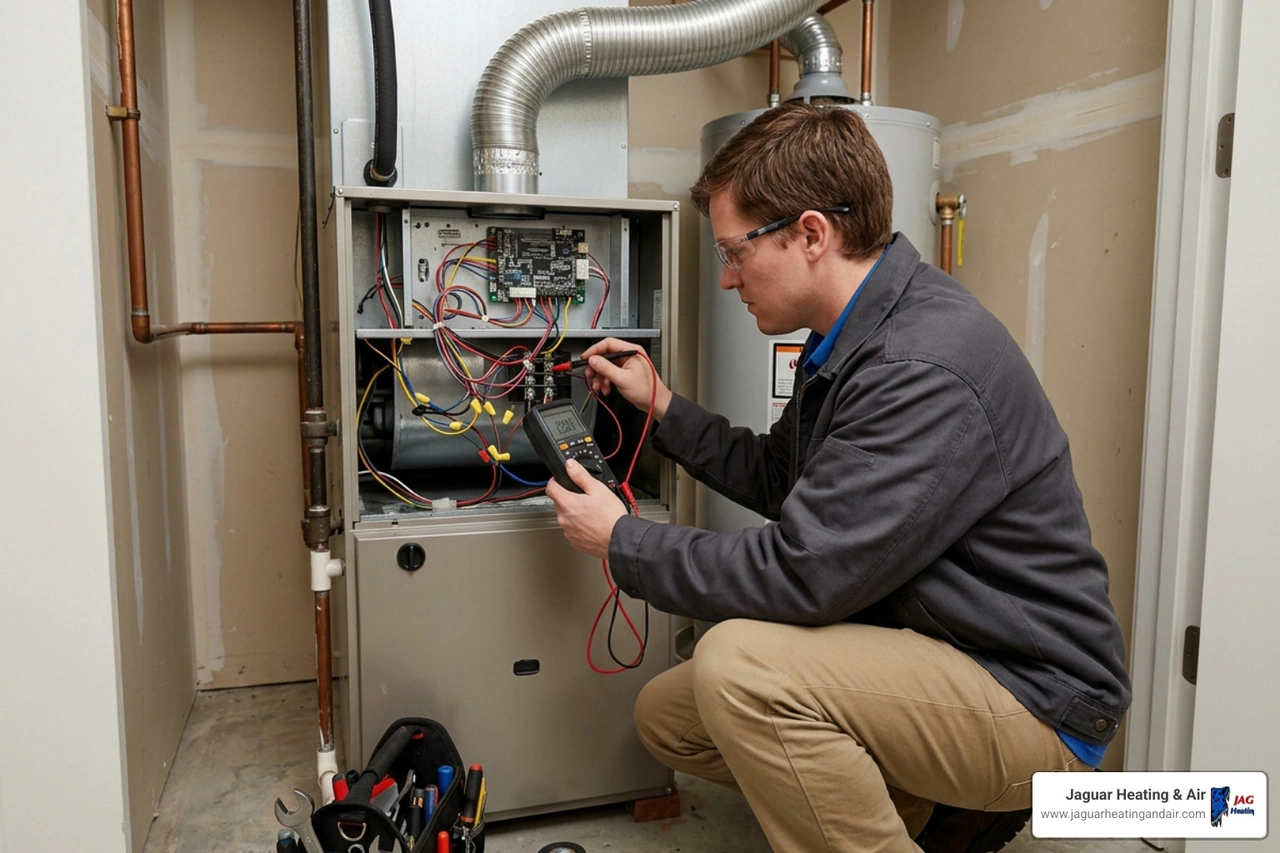
Your thermostat is the brain of your home comfort system. If it is poorly calibrated, your system might run too long, short-cycle, or fail to reach the desired temperature. Technicians verify that your thermostat is reading the indoor temperature accurately and communicating correctly with your indoor air handler and outdoor condenser. This is also a perfect opportunity to optimize settings for smart thermostats to maximize energy savings.
2. Electrical Connections Inspection and Tightening
Faulty or loose electrical connections are a leading cause of unexpected system failures and can significantly shorten the lifespan of your equipment. Technicians will inspect all wiring, measure voltage and current on motors, test the capacitors (which help start your compressor and fan motors), and tighten all electrical connections to ensure safe and reliable operation.
3. Lubrication of Moving Parts
Friction is the enemy of machinery. When motors and bearings lack proper lubrication, they have to work harder, which draws more electricity and generates excess heat. By keeping these moving parts well-lubricated, we reduce wear and tear, prevent premature motor burnouts, and keep your utility bills from climbing.
4. Condensate Drain Inspection and Clearing
Your air conditioner doesn't just cool your home; it also dehumidifies it. The moisture removed from the air collects in a condensate pan and flows out through a drain line. Over time, algae, mold, and dust can clog this line. If it backs up, it can cause severe water damage to your drywall, ceilings, and floors. Technicians physically flush and treat the drain line to ensure water flows safely outside.
5. System Controls and Safety Checks
To protect your home and your family, your HVAC system has built-in safety controls. Technicians test the startup cycle, the operating cycle, and the safety shut-off features to verify that the system starts, runs, and shuts down safely.
Understanding these core steps helps homeowners see the Key Benefits AC Maintenance can bring, from improved indoor air quality to lower monthly utility bills.
What does an hvac maintenance visit include for cooling systems?
As we head into the warm summer months of 2026, keeping your air conditioner in top shape is crucial. When we perform a cooling-specific tune-up, our focus shifts to heat transfer and airflow. If you want to know How to Maintain Your Heating and Cooling System during the hottest stretches of the year, these professional tasks are the secret:
- Cleaning the Condenser and Evaporator Coils: Dirty coils reduce your system's ability to cool your home and force it to run longer cycles. In fact, dirty coils can increase your system's energy usage by up to 30%. We wash and clear away dirt, grass, and pollen from the outdoor condenser coil and inspect the indoor evaporator coil.
- Checking Refrigerant Levels: Refrigerant is the lifeblood of your air conditioner. If the refrigerant charge is too low or too high, your system will struggle to cool, and the compressor could suffer permanent damage. We measure the refrigerant pressure and check for any signs of slow leaks.
- Inspecting and Adjusting Blower Components: Proper airflow is essential. Airflow problems can reduce your system's efficiency by up to 15%. We inspect the blower wheel, clean the fan blades, and adjust the blower motor to ensure balanced, quiet airflow throughout your home.
What does an hvac maintenance visit include for heating systems?
When autumn rolls around in Northern California, it’s time to shift our attention to keeping your home warm and safe. Heating maintenance is not just about comfort; it is also a critical safety measure.
During a professional Heating Maintenance visit, our technicians focus on the following key areas:
- Inspecting the Heat Exchanger: For gas furnaces, this is the most critical step. A cracked heat exchanger can leak deadly carbon monoxide (CO) gas into your home's airstream. We perform a meticulous visual inspection and use specialized combustion analysis tools to ensure your heat exchanger is completely intact.
- Checking Gas Connections and Pressure: We inspect all gas lines and connections for leaks. We also measure and adjust the gas pressure to ensure your furnace burns fuel safely and efficiently.
- Testing Burner Combustion and the Ignition System: Over the off-season, burners can collect dust and soot, leading to dirty, inefficient combustion. We clean the burners, inspect the flame sensor, and test the ignition system to ensure reliable heating when the first cold snap hits.
Seasonal Timing and Maintenance Plans
To keep your home comfortable year-round, timing is everything. We recommend scheduling HVAC maintenance twice a year: once in the spring for your air conditioner and once in the fall for your heating system.
By scheduling your maintenance appointments before the peak seasons arrive, you can beat the rush and ensure your system is ready to handle extreme temperatures.
Many homeowners find that signing up for a structured maintenance agreement is the easiest way to stay on track. If you are wondering, Is an HVAC Maintenance Plan Worth It, the answer is almost always yes. A comprehensive plan provides peace of mind, helps you maintain your manufacturer's warranty, and often includes priority service during busy periods.
When deciding how to structure your service, checking out a Membership Plan vs Pay Per Visit Comparison can help you choose the best option for your household's budget and comfort needs.
Specialized Care for Heat Pumps and Mini-Splits
If your home in Sacramento, Rocklin, or El Dorado Hills utilizes a heat pump or a ductless mini-split system, your maintenance needs are slightly different. Because these systems provide both heating and cooling, they work hard all year long and require specialized attention during both seasonal visits.
- Reversing Valve Testing: The reversing valve is the component that allows a heat pump to switch between heating and cooling modes. We test this valve to ensure it shifts smoothly and reliably.
- Defrost Cycle Verification: During the winter, outdoor coils can frost over. The heat pump relies on a defrost cycle to temporarily melt this ice. We test the defrost controls and sensors to prevent ice buildup from damaging the outdoor unit.
- Ductless Mini-Split Cleaning: Mini-split indoor units have specialized, reusable filters and compact blower wheels that require meticulous hand-cleaning to maintain proper airflow and prevent musty odors.
For detailed local guidance on these versatile systems, you can learn more about Heat Pump Maintenance Sacramento CA to keep your dual-comfort system running smoothly.
Homeowner DIY Tasks vs. Professional Service
While a professional technician must handle tasks involving electrical testing, gas lines, and refrigerant, there are several simple steps you can take to support your system between visits.
The table below outlines what you can safely handle yourself versus what requires a certified professional:
| Maintenance Task | Homeowner DIY | Professional Technician |
|---|---|---|
| Inspect and Replace Air Filters (every 60-90 days) | Yes | Yes (included in visits) |
| Clear Debris & Vegetation Around Outdoor Unit (2-foot clearance) | Yes | Yes (will advise if restricted) |
| Keep Indoor Air Vents and Return Grilles Clear | Yes | Yes (will check for airflow blockages) |
| Test and Calibrate Thermostat | No | Yes |
| Clean Evaporator and Condenser Coils | No | Yes |
| Measure Voltage, Amperage, and Test Capacitors | No | Yes |
| Inspect Heat Exchanger and Perform Combustion Analysis | No | Yes |
| Check and Adjust Refrigerant Charge | No | Yes |
Staying consistent with your responsibilities is easy once you know which HVAC Maintenance Tasks Homeowner Perform make the biggest difference in daily efficiency.
Frequently Asked Questions About HVAC Maintenance
How long does a typical HVAC maintenance visit take?
A thorough, professional HVAC maintenance visit typically takes 1 to 1.5 hours per system. If a technician is in and out of your home in under 20 minutes, they likely only performed a superficial visual inspection rather than a complete, deep-cleaning tune-up.
A quality technician takes the time to measure electrical values, wash the coils, flush the drain lines, and document their findings in a comprehensive system health report.
What are the signs that I need immediate HVAC service?
While regular maintenance is designed to prevent unexpected breakdowns, you should call for a professional evaluation immediately if you notice any of the following warning signs:
- Unusual Noises: Grinding, squealing, rattling, or loud banging sounds often point to loose or failing components.
- Weak Airflow: If you can barely feel air coming out of your registers, your blower motor, ductwork, or air filter may be severely restricted.
- Frequent Cycling: If your system constantly turns on and off without reaching your thermostat's set temperature, it is overworking and could suffer a major failure.
- Strange Odors: Burning smells, sulfur/gas odors, or musty, moldy smells should never be ignored.
Taking action early is the best way to learn How to Prevent HVAC Emergencies with Maintenance before they disrupt your family's comfort.
How does regular maintenance affect my system's lifespan and warranty?
A central heating and air conditioning system is a major investment, typically designed to last 15 to 20 years. However, without regular upkeep, that lifespan can easily be cut in half.
Furthermore, almost all major HVAC manufacturers require documented annual professional maintenance to keep their parts warranties valid. If a component fails and you cannot provide proof of regular service, your warranty claim could be denied.
Keeping your system clean and well-maintained is your best insurance policy. There are many compelling Reasons Maintain Homes HVAC System, but protecting your warranty and maximizing your equipment's lifespan are at the very top of the list.
Conclusion
At Jaguar Heating & Air, we are committed to providing dependable comfort to our neighbors throughout Sacramento, CA, and the surrounding communities. As a family-owned company and a trusted Trane Comfort Specialist, our NATE-certified technicians are dedicated to keeping your home comfort systems running safely, reliably, and efficiently through every season.
Don't wait for the next major weather transition to find out if your system is up to the task. To make seasonal care completely stress-free, consider signing up for our comprehensive HVAC Maintenance Membership.
Whether you need a quick seasonal tune-up, a system repair, or a complete replacement, we are here to help. Explore our full range of professional heating, cooling, and indoor air quality solutions by visiting our Services Page today!
Recent Posts
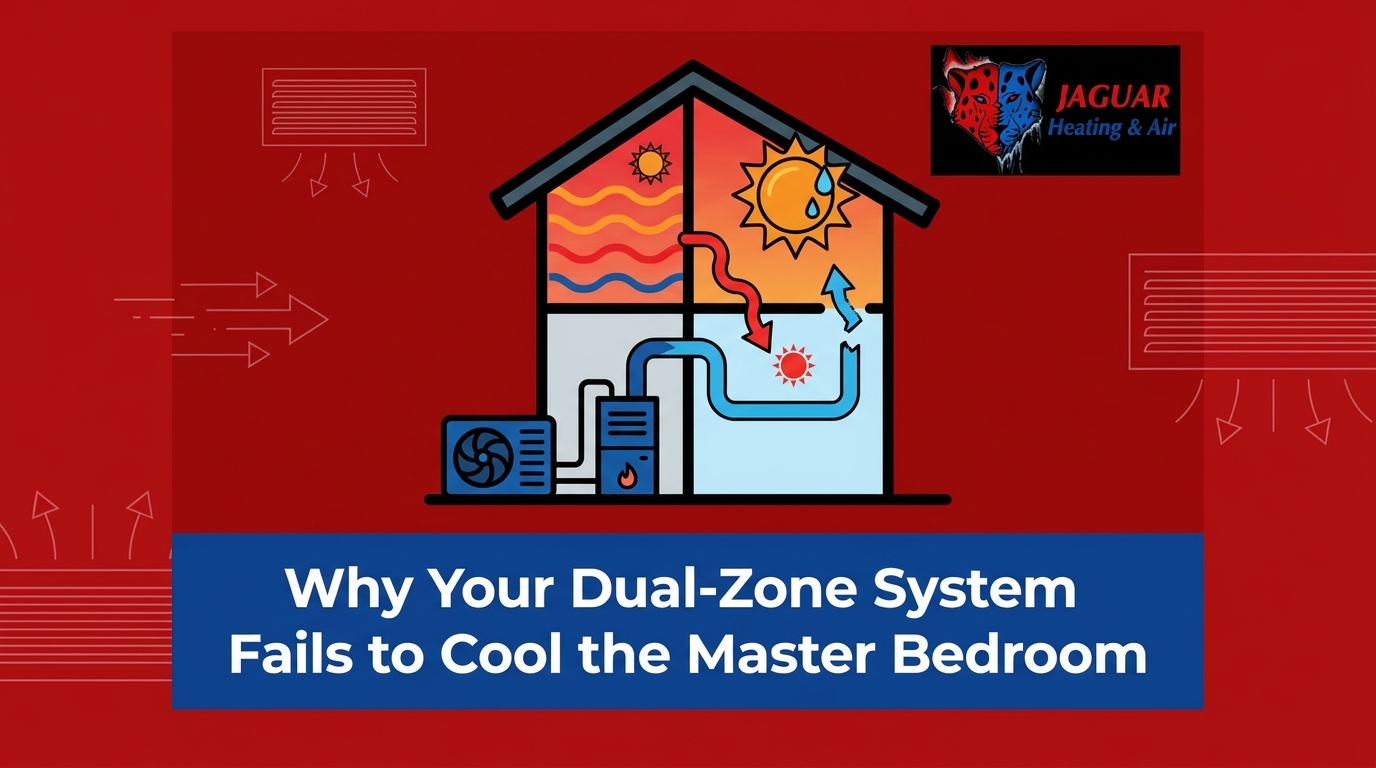
Why Your Dual-Zone System Fails to Cool the Master Bedroom
Persistent temperature imbalances in your master suite are rarely a main AC capacity issue. Discover how stuck motorized zone dampers disrupt airflow and why a pre-season diagnostic is crucial.
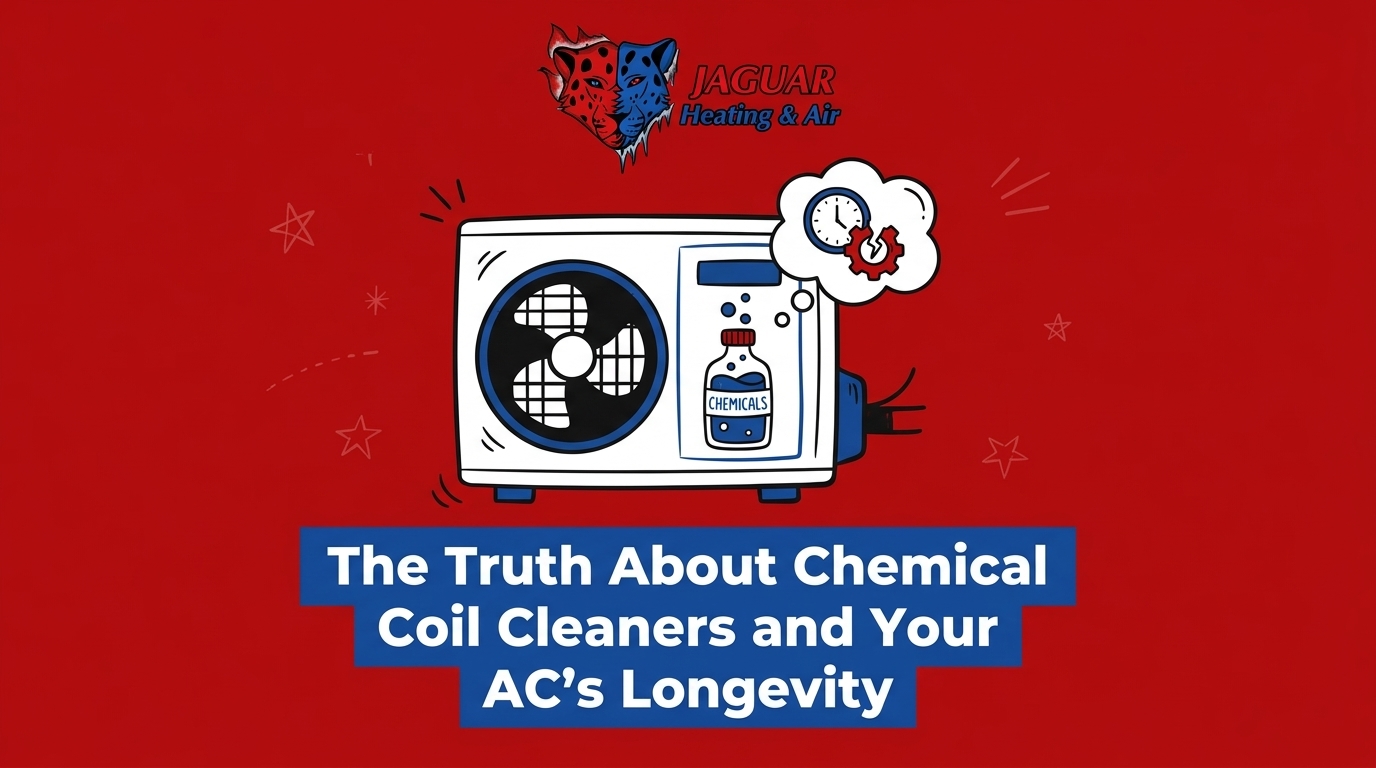
The Truth About Chemical Coil Cleaners and Your AC's Longevity
While a sparkling clean condenser unit looks great, acidic sprays might be secretly destroying your equipment. See why we refuse to use them during fall tune-ups.
Why We Inspect Your Ductwork's Mastic Seal During Cooling Diagnostics
Before transitioning to fall heating, checking the 1990s-era mastic tape on your ductwork is crucial. Degraded attic seals waste expensive conditioned air long before your AC unit fails.