.avif)
The Triple Digit Struggle: Why Your AC Works Overtime
When the Heat Hits: Understanding HVAC Performance in Sacramento, CA As temperatures climb into the triple digits across Sacramento, CA, many homeowners find…
When the Heat Hits: Understanding HVAC Performance in Sacramento, CA As temperatures climb into the triple digits across Sacramento, CA, many homeowners find…

When the Heat Hits: Understanding HVAC Performance in Sacramento, CA
As temperatures climb into the triple digits across Sacramento, CA, many homeowners find their air conditioning (HVAC) systems struggling to keep up. When the mercury soars, understanding how heat waves affect hvac performance and efficiency becomes critical. Extreme heat puts immense stress on your cooling system, often leading to reduced comfort, higher energy bills, and even unexpected breakdowns. Homeowners expect reliable, consistent cooling, but heat waves push even the best systems to their limits. This guide will help you understand why your AC works overtime when the heat hits, and what you can do about it.
To learn more about keeping your home cool, explore our Air Conditioning Services or, for immediate help, contact us for AC Repair.
Here’s how heat waves typically affect your HVAC system:
• Increased Workload: HVAC systems work harder and longer to cool your home, as the temperature difference between inside and outside is much smaller.
• Reduced Efficiency: High outdoor temperatures make it tougher for your AC to release heat, causing its Seasonal Energy Efficiency Ratio (SEER) to drop.
• Component Overheating: Relentless operation in extreme heat can cause parts like the compressor and motors to overheat, risking damage or failure.
• Higher Energy Use: Your system consumes more electricity to maintain comfort, leading to noticeable spikes in your utility bills.
• Faster Wear and Tear: Continuous operation under stress accelerates the aging of components, potentially shortening your HVAC system's lifespan.
Don't let the Sacramento heat get the best of your home's comfort – ensure your system is ready by contacting us for AC Repair today.
The Science of Heat: How Heat Waves Affect HVAC Performance and Efficiency
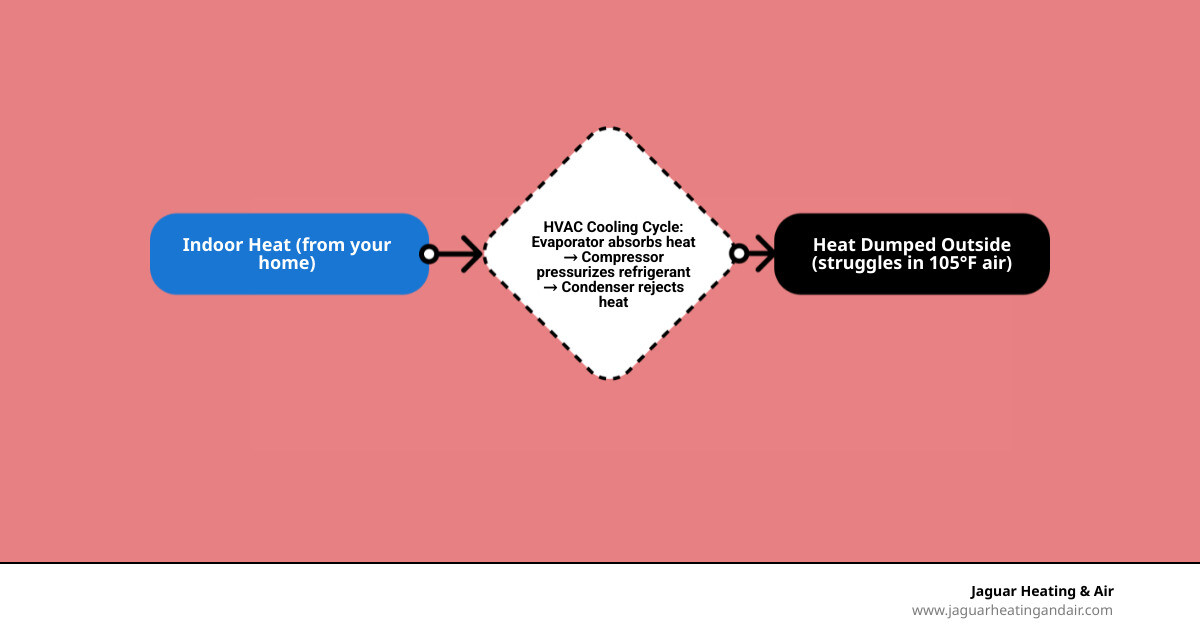
To understand why your air conditioner struggles during a Rocklin or Folsom heat wave, we have to look at the physics of cooling. An air conditioner doesn't actually "create" cold; it moves heat from inside your home to the outside. This process relies on a temperature differential. When it is 105°F outside, your outdoor unit (the condenser) has a much harder time "dumping" the heat it gathered from your living room into the already-scorching air.
This struggle leads to a measurable drop in efficiency. While your system might be rated at a high SEER (Seasonal Energy Efficiency Ratio), that rating is calculated based on average seasonal temperatures. When we hit extreme peaks, that efficiency takes a hit.
Outdoor TemperatureRated SEEREffective Performance (Estimated)82°F (Standard Test)16 SEER16 SEER95°F16 SEER14–15 SEER100°F+16 SEER12–13 SEER
As the outdoor temperature rises, the condensing pressure inside your system increases. This forces the compressor to work harder to circulate refrigerant, which is one of the primary things determine heat pump efficiency Folsom CA. When the pressure gets too high, the system consumes significantly more energy just to move the same amount of heat, leading to those dreaded summer utility spikes.
Thermodynamic Factors in How Heat Waves Affect HVAC Performance and Efficiency
The "Delta T," or temperature difference, is the most important factor in thermodynamic efficiency. Most residential HVAC systems are designed to handle an outdoor temperature of about 95°F while maintaining an indoor temperature of 75°F. This 20-degree spread is the "sweet spot."
When Sacramento hits 110°F, that spread widens to 35 degrees. The refrigerant cycle becomes less effective because the ambient air is so hot it can barely absorb any more heat from the condenser coils. This results in:
1. Extended Runtimes: Your system may run for 24 hours straight without ever reaching the thermostat's set point.
2. Energy Consumption Spikes: Because the compressor is fighting high head pressure, it draws more amperage, which translates directly to higher kilowatt-usage.
3. Heat Saturation: Eventually, the materials in your home (walls, furniture, flooring) absorb so much heat that the AC simply cannot keep up with the "thermal gain" entering through windows and uninsulated spaces.
Maintenance Deficiencies and How Heat Waves Affect HVAC Performance and Efficiency
If your system is already behind on maintenance, a heat wave will expose every single flaw. We often tell our neighbors in Lincoln and Citrus Heights that a small problem in May becomes a total failure in July.
Dirty evaporator and condenser coils are the most common culprits. When coils are coated in dust or Sacramento "cottonwood" fuzz, they act like an insulating blanket. This prevents heat transfer, forcing the system to run longer and hotter. In fact, maintenance-category failures like dirty coils or restricted filters can reduce your system's capacity by 15% to 30% even in normal weather. Under peak heat loads, this often leads to a complete system shutdown.
Regularly checking your filters is the easiest DIY step you can take. To understand why this matters so much, read Everything Need Know About HVAC Filters. Beyond filters, there are many reasons not neglect spring HVAC maintenance Lincoln CA to ensure your system is chemically cleaned and mechanically sound before the first 100-degree day.
Common Failure Modes and Performance Issues During Extreme Heat
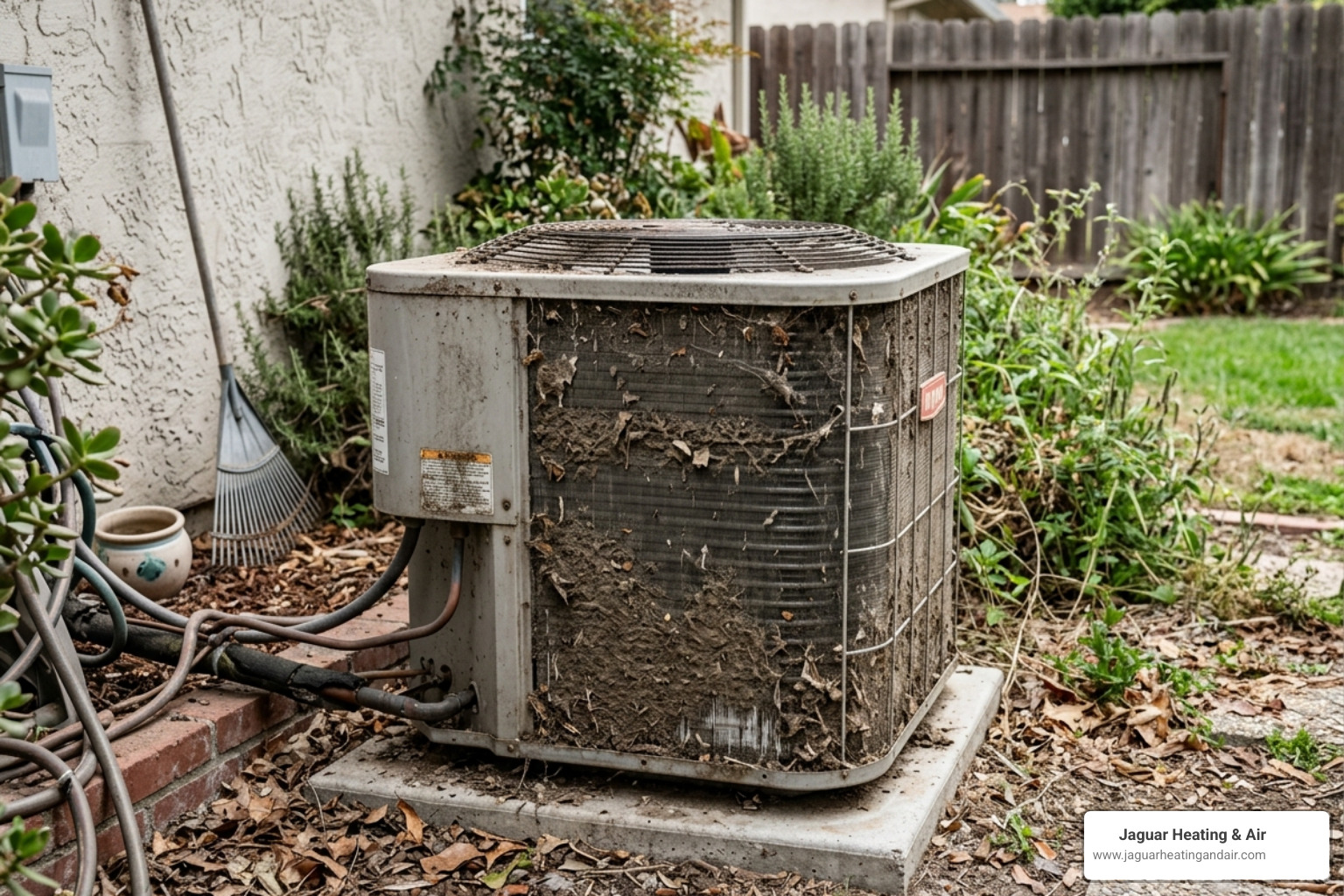
When we receive a spike in service calls—and research shows over 80% of regional service calls spike during these extreme seasonal shifts—we typically see the same few components failing. The heat doesn't just make the system run longer; it physically degrades the parts.
• Capacitor Failure: The capacitor is like a battery that gives your motors the "kick" they need to start. High heat is the natural enemy of capacitors. When they overheat, they bulge and fail, leaving you with a humming unit that won't blow cold air.
• Compressor Burnout: The compressor is the "heart" of your AC. During a heat wave, it can run for hours without a break. If the lubricating oil inside gets too hot, it can become acidic, eventually leading to a mechanical "seizure" or electrical short.
• Short Cycling: This happens when the system turns on and off rapidly. While it can be caused by an oversized unit, during a heat wave, it’s often a sign that a safety sensor is tripping because the system is overheating.
• Frozen Evaporator Coils: It sounds counterintuitive, but your AC can freeze up when it's 100°F outside. If airflow is restricted (by a dirty filter) or refrigerant is low, the coil temperature drops below freezing, turning condensation into a block of ice.
If you notice weird noises, warm air blowing from vents, or a unit that won't turn on, you should schedule AC repair right away notice these signs. Prompt AC Repair can often save a compressor from permanent damage.
Refrigerant Issues and System Sizing
Refrigerant is the lifeblood of your cooling system. It is a closed loop, meaning you should never "run out" of refrigerant unless there is a leak. However, even a tiny pinhole leak can cause massive performance drops during a heat wave. Statistics show that a refrigerant charge that is just 10% low can reduce your cooling capacity by approximately 20% when outdoor temperatures are at their peak.
If you suspect your heat pump Lincoln CA low refrigerant is the issue, it’s vital to have a NATE-certified technician find and fix the leak rather than just "topping it off."
System sizing is another critical factor. Many older homes in Sacramento have systems that were sized based on outdated "rules of thumb." Today, we use Manual J load calculations to determine the exact cooling needs of a home. An undersized system will never catch up during a heat wave, while an oversized system will cycle too quickly and fail to remove humidity. Understanding why AC sizing matter Sacramento CA is the first step in ensuring long-term comfort and efficiency.
Electrical Strain and Grid Overload
It isn't just the heat—it's the power. During a Sacramento heat wave, everyone turns their AC on at the same time. This puts immense strain on the local power grid, often leading to "voltage sags" or brownouts.
When the voltage supplied to your home drops, your HVAC motors have to draw more amperage to compensate. This extra amperage creates even more internal heat within the motor windings, which can melt insulation and lead to motor failure. Power grid instability is a silent killer of HVAC electronics and compressors. We often recommend high-quality surge protectors specifically designed for HVAC equipment to mitigate this risk.
Regional Impact: Why Sacramento Valley Heat is Different
Living in the Sacramento Valley means dealing with a specific type of environmental stress. While we don't have the sweltering humidity of the Gulf Coast, our "dry heat" creates its own set of problems for HVAC systems, particularly regarding our homes' architecture.
In areas like Roseville and Rancho Cordova, many homes have HVAC ductwork running through unconditioned attic spaces. During a July afternoon, your attic can easily reach temperatures of 140°F to 160°F. If your ducts are uninsulated or leaky, they act like a heater for the air your AC just spent money to cool.
Research indicates that leaky or under-insulated ductwork in a hot attic can bleed 25% to 40% of your cooling capacity before the air even reaches your vents. This is why how dirty ductwork decreases HVAC efficiency Rocklin CA is such a frequent topic of conversation for us. Furthermore, ensuring that air is distributed correctly is essential for comfort; why even airflow matters Folsom CA becomes obvious when one room is 72°F and the upstairs bedroom is 85°F.
Proactive Strategies to Maintain HVAC Efficiency in Triple Digits
You don't have to be a victim of the weather. There are several practical, actionable steps you can take to help your AC survive the "Triple Digit Struggle."
1. Thermostat Management: The Department of Energy recommends setting your thermostat to 78°F when you are home. While that might sound warm, using ceiling fans can make it feel 4 degrees cooler. Avoid "cranking it down" to 65°F in hopes of cooling the house faster—it doesn't work that way and only increases the risk of component failure.
2. Seal the Envelope: Proper attic insulation and air sealing can prevent up to 40% of heat from entering your home. Implementing these upgrades can lead to a decrease in energy consumption of up to 40% during peak months.
3. Shade Your Space: Drawing blinds and curtains during the day can reduce solar heat gain by as much as 60%. Outside, how landscaping boost HVAC efficiency is a great long-term strategy; shading your outdoor unit (while maintaining 2-3 feet of clearance for airflow) can help it shed heat more effectively.
4. Strategic Adjustments: For more ideas, check out these tips boost HVAC efficiency and learn how lessen strain air conditioner Rocklin CA.
Modern Technology: Heat Pumps and Smart Controls in Extreme Weather
If your system is more than 10-12 years old, it likely uses an "on/off" single-stage compressor. This is like driving a car that only goes 0 or 100 mph. Modern technology has changed the game for heat wave resilience.
Variable-Speed Compressors (Inverter Technology) can adjust their speed to match the cooling load exactly. Instead of stopping and starting, they slow down to a "sip" of energy, maintaining a perfect 72°F without the stress of constant cycling. These systems, such as Mitsubishi High Efficiency Systems, are specifically designed to handle extreme temperatures more gracefully than traditional units.
Additionally, there are many ways take advantage smart HVAC technology. A smart thermostat can "pre-cool" your home in the morning when the outdoor air is still 65°F, allowing the system to work less during the 4:00 PM peak. By following tips using smart thermostat efficiently, you can reduce the total runtime of your system during the hottest part of the day.
Frequently Asked Questions about HVAC Performance
Why does my AC run constantly during a heat wave?
In Sacramento, when it hits 100°F+, it is actually normal for a properly sized AC to run for long periods. The system is designed to maintain temperature, not necessarily "drop" it quickly. However, if the temperature inside is rising despite the AC running, you likely have a maintenance issue like dirty coils or low refrigerant.
Can extreme heat cause my HVAC system to freeze up?
Yes! As we mentioned earlier, the paradox of a heat wave is that it often leads to ice on the unit. If your system is struggling to move heat because of a dirty filter or a leak, the internal temperatures of the coil can drop below freezing. If you see ice, turn the system off immediately and call a pro. You can learn more about why does heat pump freeze up Folsom CA to troubleshoot the issue.
How can I tell if my AC is undersized for my home?
If your system was installed before you added a room, replaced windows with larger ones, or removed attic insulation, it may now be undersized. A clear sign is if the system holds the temperature within 5-8°F of the setpoint during a heat wave but can never actually reach the target, even with clean filters and coils.
Conclusion
At Jaguar Heating & Air, we know that a Sacramento summer is no joke. Our family-owned business is dedicated to keeping our neighbors in Elk Grove, Folsom, and throughout the valley comfortable regardless of what the thermometer says. Our NATE-certified technicians are experts in identifying the subtle signs of heat stress before they turn into expensive repairs.
The best way to survive the next heat wave is through preparation. We offer comprehensive Maintenance Agreements that ensure your system is cleaned, calibrated, and ready for the triple digits. If you’ve noticed your utility costs climbing, it might be time for a professional assessment. Energy bills too high Elk Grove CA consider energy audit to find out where you are losing cooling capacity.
Don't wait for the next record-breaking heat wave to stress your system to the breaking point. Whether you need a simple tune-up, a complex repair, or a high-efficiency upgrade, we are here to help. Explore our Air Conditioning Services and let us help you win the struggle against the summer heat.
Recent Posts
What a Rattling Outdoor Fan Blade Means for Your AC's Lifespan
A vibrating condenser fan creates micro-vibrations that act as a ticking time bomb for delicate copper lines. Find out why you shouldn't ignore this fall noise.
Why We Test Your AC's Amp Draw During Late Summer Maintenance
Even if your vents are blowing cold air, months of intense heat can push your compressor to the brink. We measure invisible electrical fatigue to catch stressed parts before a total breakdown.
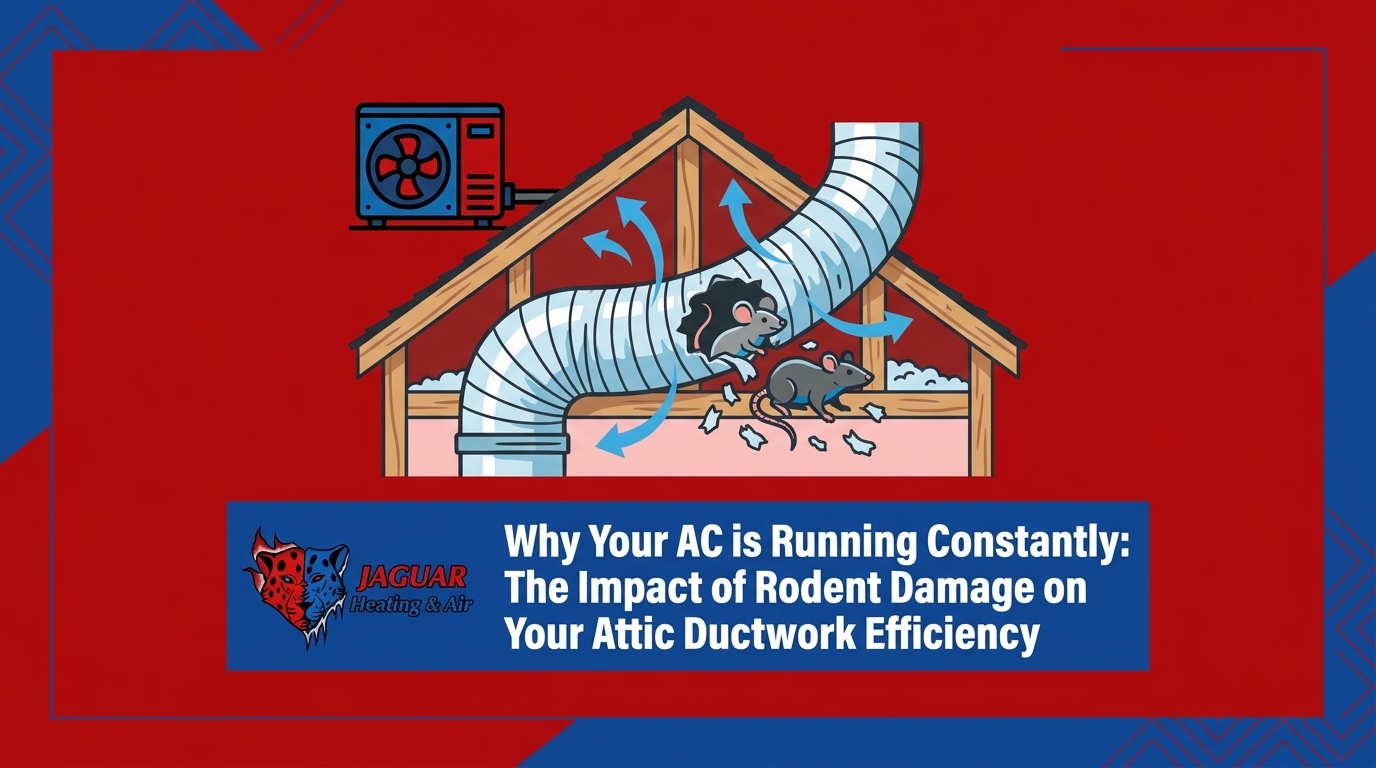
The Impact of Rodent Damage on Your Attic Ductwork Efficiency
If your cooling system runs constantly but your home stays warm, roof rats may have chewed through your flex ducts. See why a tape patch isn't enough to safely restore your system's airflow.