.avif)
The Ins and Outs of Home Energy Audits Worth It
Is a Home Energy Audit Worth It? Here's What Sacramento Homeowners Need to Know Is a home energy audit worth it for most homeowners? The short answer is yes …
Is a Home Energy Audit Worth It? Here's What Sacramento Homeowners Need to Know Is a home energy audit worth it for most homeowners? The short answer is yes …

Is a Home Energy Audit Worth It? Here's What Sacramento Homeowners Need to Know
Is a home energy audit worth it for most homeowners? The short answer is yes — especially if your utility bills keep climbing, certain rooms never feel comfortable, or your home was built before 2000.
Here's a quick breakdown:
• High or rising energy bills — Audit Worth It?: Yes — identifies where money is being lost
• Older home (pre-2000) — Audit Worth It?: Strongly yes — insulation and sealing often degraded
• Planning an HVAC replacement — Audit Worth It?: Yes — ensures correct system sizing
• Drafts, uneven temps, or humidity issues — Audit Worth It?: Yes — pinpoints the exact cause
• New construction (post-2015) — Audit Worth It?: Maybe — basic retrofits may already be complete
In Sacramento's climate — where summer heat can push AC systems to their limits and winter nights demand consistent heating — knowing exactly where your home is losing energy isn't just useful, it's genuinely money-saving. According to the U.S. Department of Energy, implementing energy-efficient upgrades identified through an audit can reduce your energy bills by anywhere from 5% to 30%. On a $200 monthly utility bill, that's real savings adding up fast.
And yet, many Sacramento homeowners skip the audit entirely — either assuming their home is fine or not knowing where to start. The result? Months or years of paying for energy that's literally slipping through gaps in walls, ducts, and attics.
This guide walks you through everything you need to know — what an audit covers, what it costs, when to get one, and how to make the most of available rebates and tax credits in California.
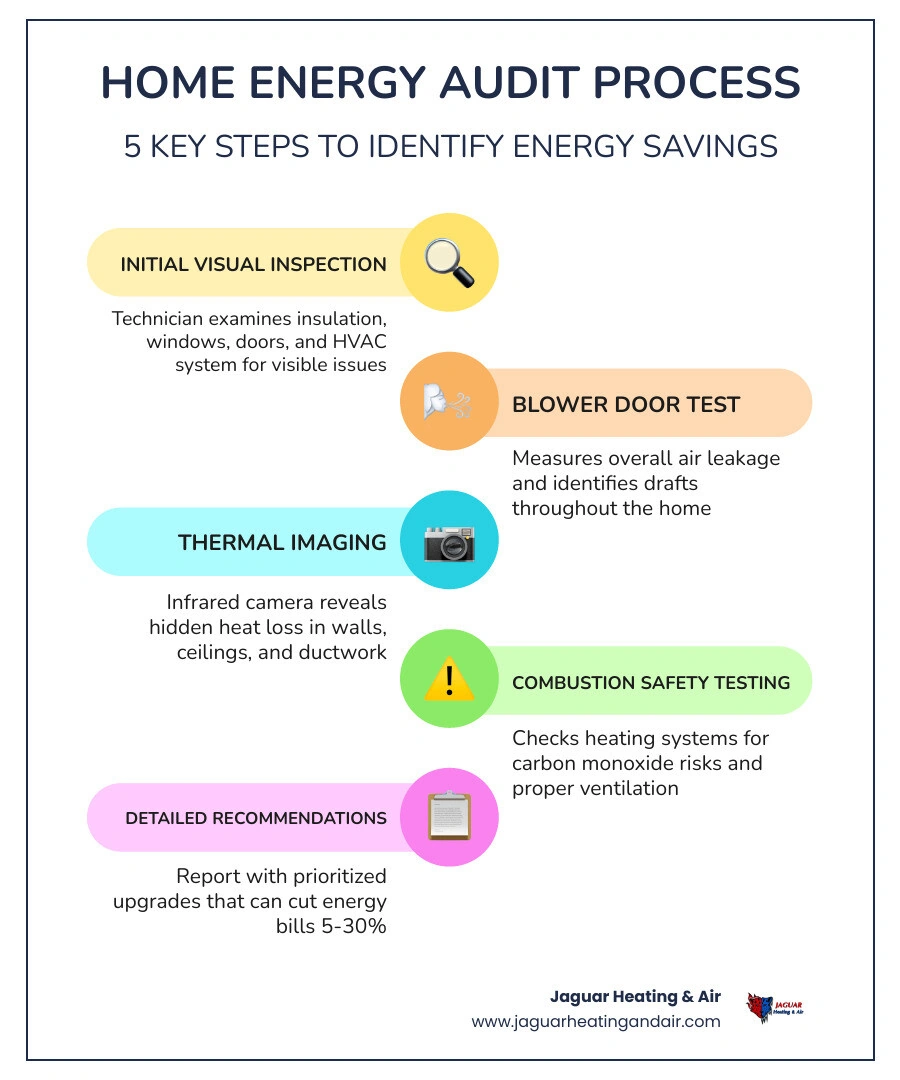
Is a home energy audit worth it basics:
• energy saving audit benefits for homeowners
• what happens during a home energy audit
Understanding the Process: Is a Home Energy Audit Worth It for Your Household?
To determine whether this investment makes sense for your household, it helps to understand exactly what a professional energy assessment entails. A home energy audit is not a simple walkthrough where someone notes that you have old windows. It is a comprehensive, data-driven evaluation of your home’s entire energy ecosystem.
When you schedule a professional assessment, a certified technician looks at how your home uses and loses energy. They analyze your historical utility bills, inspect your heating and cooling equipment, and run diagnostic tests to pinpoint inefficiencies.

During a standard Level 2 diagnostic audit, several advanced tools are used to look behind your drywall and inside your ceilings:
• Blower Door Test: Technicians install a temporary, powerful fan in an exterior door frame. This fan depressurizes your home, pulling outdoor air through any unsealed cracks, gaps, or joints. It measures the overall airtightness of your house and helps calculate how many times your indoor air is completely replaced by outdoor air every hour.
• Infrared (Thermal) Imaging: While the blower door is depressurizing the house, the auditor walks through with an infrared camera. This camera visually highlights temperature differences. Cold air leaking into a warm house (or hot summer air leaking into a cooled house) shows up as bright streaks on the screen. It reveals exactly where insulation is missing or settled inside your walls.
• Duct Leakage Testing: Leaky ducts are one of the single biggest sources of energy waste in Northern California. According to industry data, typical homes lose up to 20% to 30% of their conditioned air through leaks in the ductwork. By sealing off the vents and pressurizing the duct system, technicians can measure exactly how much air is escaping into your attic or crawl space.
• Combustion Safety Testing: If your home uses natural gas, propane, or oil for heating, water heating, or cooking, safety is a top priority. Auditors perform draft and carbon monoxide testing to ensure your appliances are venting exhaust gases safely out of your living spaces.
By combining these tests, an audit takes the guesswork out of home comfort. Instead of assuming you need expensive new windows, you might discover that a simple afternoon of sealing ductwork and adding attic insulation will solve your drafty rooms. To learn more about this step-by-step process, you can read our detailed guide on what happens during a home energy audit.
Weighing the Pros and Cons of a Professional Assessment
Before booking an appointment, it is wise to look at both sides of the equation. Like any home improvement service, energy audits have clear advantages and a few practical considerations to keep in mind.
The Pros
• Data-Driven Prioritization: The biggest benefit of an audit is that it gives you a customized roadmap. You won't waste money on upgrades that don't yield results.
• Lower Carbon Footprint: True energy conservation naturally reduces your household’s greenhouse gas emissions, helping protect our beautiful California environment.
• Enhanced Indoor Air Quality: Sealing up unexpected air leaks prevents outdoor pollutants, allergens, and dust from bypass-filtering into your living spaces.
• Unmatched Comfort: Eliminating drafts and balancing temperatures between different floors makes your home a much more pleasant place to live.
• Uncovering Safety Issues: Audits can identify hidden dangers like backdrafting water heaters or cracked heat exchangers before they become life-threatening carbon monoxide hazards.
You can read more about these environmental and lifestyle benefits in our article on the bright side of energy audits to uncover savings and sustainability.
The Cons
• Upfront Time Commitment: A thorough professional audit requires you to be home for several hours while the technician runs diagnostic tests and inspects every room.
• No Savings Without Action: An energy audit is a diagnostic tool, not a cure. The audit itself will not lower your utility bills; you must implement the recommended upgrades to see financial returns.
• Potential for Overwhelming Recommendations: The final report can sometimes include a long list of suggested improvements, which can feel overwhelming if you don't know where to start.
Professional Audit vs. DIY Assessment
• Tools Used — Professional Level 2 Audit: Blower doors, thermal cameras, duct blasters — DIY Assessment: Flashlight, incense stick (for drafts), visual checks
• Accuracy — Professional Level 2 Audit: High — provides exact CFM air leakage measurements — DIY Assessment: Low — catches obvious drafts but misses hidden wall leaks
• Safety Testing — Professional Level 2 Audit: Includes combustion safety and carbon monoxide checks — DIY Assessment: None
• Rebate Eligibility — Professional Level 2 Audit: Required for most state and federal incentives — DIY Assessment: Generally does not qualify for rebates
• Time Investment — Professional Level 2 Audit: 2 to 4 hours of your day — DIY Assessment: Multiple hours of self-guided inspection
Maximizing Your Return on Investment and Energy Savings
When homeowners ask is a home energy audit worth it, they are usually looking for a clear return on investment (ROI). Because heating and cooling make up more than half (52%) of the average household's energy consumption, targeting these areas offers the fastest path to lower utility bills.
By identifying and sealing major air leaks, adding insulation, and optimizing your HVAC system, you can see a significant drop in your monthly energy bills. Over a few years, these monthly savings easily offset the initial cost of the upgrades.
Furthermore, a home energy audit can help prevent premature wear and tear on your heating and cooling systems. When your home is properly insulated and sealed, your air conditioner and furnace don't have to run constantly to maintain your desired temperature. This extended HVAC lifespan saves you from costly early replacements. Additionally, homes with documented energy-efficiency upgrades and lower operating costs often command higher resale values in competitive California real estate markets.
For more details on how to keep your hard-earned money in your wallet, take a look at our guide on how homeowners in California save energy and money at home.
Analyzing the ROI: Is a home energy audit worth it for older homes?
If you live in an older home in Sacramento, Elk Grove, Roseville, or Folsom, the financial argument for an energy audit is even stronger. Homes built before the year 2000 were constructed under much older, less stringent building codes.
Over decades, several issues naturally occur in these properties:
• Insulation Degradation: Traditional fiberglass or cellulose insulation can settle, compress, or be disturbed by pests, leaving large uninsulated gaps in your walls and attic.
• Duct Sealing Failures: The specialized tape and mastic used to seal old metal ducts degrade over time, leading to major conditioned air leaks into unconditioned spaces.
• Drafty Windows and Doors: Wooden frames warp, weatherstripping cracks, and single-pane glass allows rapid heat transfer.
An audit pinpointing these exact failures is highly valuable. Instead of replacing every window in your home, the audit might reveal that simple caulking, weatherstripping, and blowing fresh insulation into the attic will solve your drafts at a fraction of the cost.
If you are noticing drafty rooms or high bills in your older home, check out our post on why you need to schedule an energy savings audit in Elk Grove to see how we help local properties reclaim their efficiency.
Modern Upgrades: Is a home energy audit worth it before replacing your HVAC?
Are you planning to upgrade your heating and cooling system soon? If so, getting an energy audit first is incredibly important.
When installing modern systems like high-efficiency heat pumps, correct sizing is critical. If your HVAC system is oversized, it will cycle on and off rapidly (short-cycling), which wastes energy, creates uneven temperatures, and wears out the compressor prematurely. If it is undersized, it won't be able to keep up with hot Sacramento summers.
An energy audit provides the exact diagnostic data—such as blower door air leakage rates—needed to perform an accurate load calculation. If you perform air sealing and insulation upgrades before installing your new HVAC system, you can often buy a smaller, less expensive system because your home requires less energy to heat and cool.
Additionally, combining an audit with electrification upgrades can unlock significant financial support. You can explore how to maximize these benefits in our article on how to get paid to upgrade your California home's HVAC.
If your energy bills have been shockingly high lately, you may also find our guide on what to do when energy bills are too high in Elk Grove, CA helpful for finding immediate relief.
Timing and Incentives: When to Schedule and How to Save
Timing your home energy audit strategically can make the process more comfortable and help you prepare for extreme weather.
The ideal times to schedule an audit are during the shoulder seasons:
• Pre-Summer Preparation (Spring): Scheduling an audit in the spring allows you to find and fix air leaks and insulation gaps before Sacramento's intense summer heat arrives. This keeps your home cool and prevents your AC from working overtime.
• Pre-Winter Preparation (Autumn): Getting an audit in the fall ensures your home is sealed tight against cold drafts before winter weather sets in.
To learn more about preparing your home for the colder months, read our advice on why you should schedule an energy savings audit before turning on your heater. If you prefer starting the calendar year with a clear efficiency plan, you can also check out how to start the year off right with an energy savings audit.
Stacking Federal and State Incentives in May 2026
One of the best reasons to invest in a professional energy audit right now is the availability of robust financial incentives that significantly lower your net costs.
• Federal Section 25C Tax Credit: Under the Energy Efficient Home Improvement Credit, homeowners can claim a federal tax credit of 30% of the cost of a professional home energy audit. To qualify, the audit must be conducted by a certified auditor and include a comprehensive written report.
• California State and Utility Rebates: Local utilities and state programs offer rebates and incentives for home energy audits and subsequent upgrades like insulation, air sealing, and heat pump installations.
• HEEHRA Rebates: The High-Efficiency Electric Home Rebate Act provides substantial rebates for low- and moderate-income households transitioning to electric appliances, including heat pumps and heat pump water heaters.
Navigating these programs can feel complicated, but we are here to help simplify the process. For a step-by-step walkthrough of how to claim these savings, read our guide on navigating the California energy rebate application process.
Frequently Asked Questions About Home Energy Assessments
How long does a professional home energy audit take?
A professional home energy audit typically takes between 2 to 4 hours to complete. The exact duration depends on the size of your home, the complexity of your HVAC systems, and how easily the auditor can access areas like your attic, crawl space, and utility closets.
During this window, the technician will perform a room-by-room visual inspection, set up and run the blower door test, perform thermal imaging, and complete safety checks on your gas appliances.
Can I perform a DIY home energy audit?
Yes, you can certainly perform a basic DIY check to find obvious problems. A self-guided assessment is a great starting point and involves:
• Checking for drafts around doors, windows, and electrical outlets.
• Inspecting your attic insulation depth (if your floor joists are visible, you need more insulation).
• Replacing outdated incandescent light bulbs with energy-efficient LED lighting.
• Installing basic weatherstripping on drafty doors.
However, a DIY audit has significant limitations. Without specialized equipment like a blower door or thermal camera, you cannot measure your home's actual air exchange rate or see hidden insulation gaps inside your walls. A professional audit is highly recommended for older homes or before making major investments in new heating and cooling systems.
What are the most common recommendations after an audit?
While every home is unique, most energy audit reports highlight a few high-impact, cost-effective improvements:
1. Air Sealing: Sealing gaps around plumbing penetrations, electrical wiring, chimneys, and recessed lighting in the attic floor.
2. Attic Insulation: Upgrading attic insulation to modern standards to prevent heat from transferring through your ceiling.
3. Duct Sealing and Repair: Sealing leaky duct joints with mastic or foil tape to ensure conditioned air actually reaches your living spaces.
4. Smart Thermostats: Installing programmable or smart thermostats to optimize your heating and cooling schedules.
5. HVAC Maintenance: Scheduling professional tune-ups to keep your existing heating and cooling systems running as efficiently as possible.
Conclusion: Partner with Sacramento's HVAC Experts
So, is a home energy audit worth it? When you consider the long-term utility savings, the improved indoor comfort, the safety peace of mind, and the available state and federal incentives, the answer is a resounding yes.
At Jaguar Heating & Air, we are proud to be Sacramento's trusted, family-owned HVAC experts. As a Trane Comfort Specialist with NATE-certified technicians, we serve homeowners throughout Sacramento, Elk Grove, Folsom, Roseville, El Dorado Hills, Lincoln, Rocklin, Woodland, Carmichael, Citrus Heights, Fair Oaks, Granite Bay, Mather, Orangevale, and Rancho Cordova.
We offer dependable comfort, flat-rate pricing, and a 100% customer satisfaction guarantee. If you are ready to stop wasting energy and start enjoying a more comfortable, efficient home, we are here to help.
Contact us today to schedule your professional Energy Savings Audit or explore our complete range of heating, cooling, and air quality services at Jaguar Heating & Air. Let's work together to make your home more comfortable and efficient!
Recent Posts

Navigating the October Heating Startup: A Guide to Fall HVAC Maintenance
Is your first fall heating startup causing strange odors? Rely on our local service expertise and area tips to know when to call a pro on this in Sacramento.

Why Your Furnace Smells Like Burning Dust: Essential HVAC Maintenance Questions Answered
Smelling burning dust this fall? Have common homeowner questions answered about your furnace. Decide with confidence on when to call a pro before winter.

Why Your Furnace Smells Like Burning Dust: A Guide to Fall HVAC Maintenance
Does your furnace smell like burning dust? Review our home maintenance tips and troubleshooting to see what we found inside a typical fall heating startup.