.avif)
The Home Energy Audit Playbook and What to Expect
What Happens During a Home Energy Audit in Sacramento, CA? What happens during a home energy audit is something many homeowners are curious about, but not ev…
What Happens During a Home Energy Audit in Sacramento, CA? What happens during a home energy audit is something many homeowners are curious about, but not ev…

What Happens During a Home Energy Audit in Sacramento, CA?
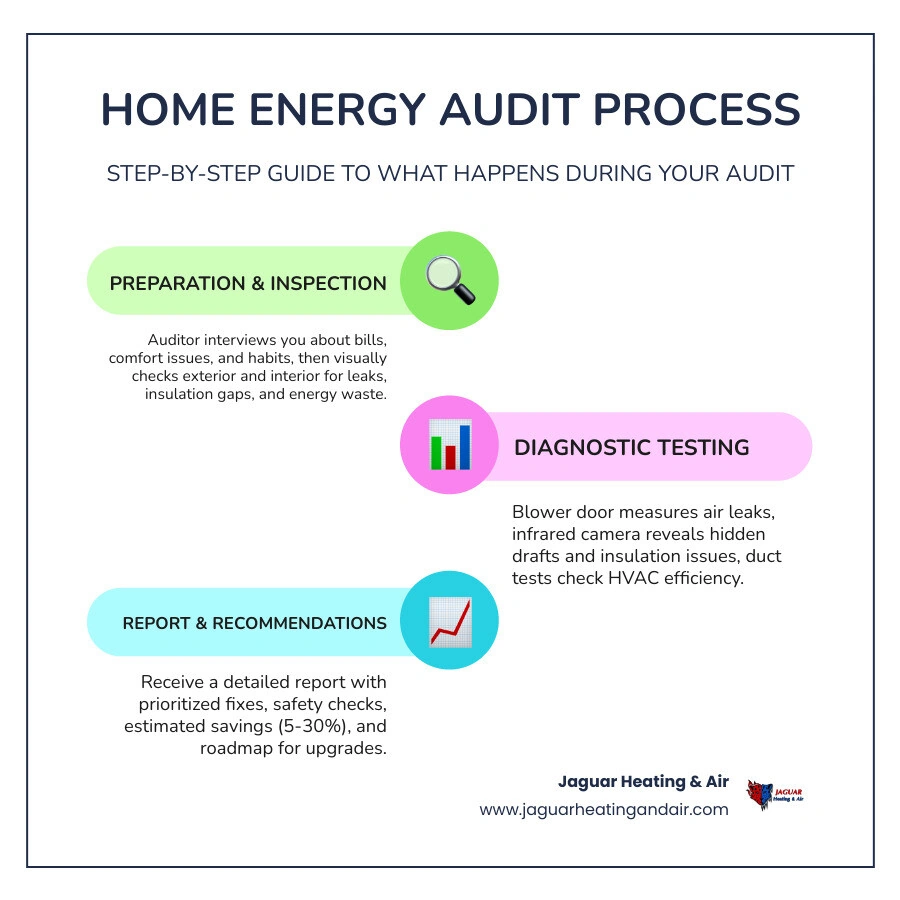
What happens during a home energy audit is something many homeowners are curious about, but not everyone knows where to start. Here is a quick look at the core steps:
1. Homeowner interview - The auditor asks about your utility bills, comfort problems, and any health or moisture concerns.
2. Exterior and interior visual inspection - The auditor walks through your home looking for insulation gaps, air leaks, drafts, and signs of energy waste.
3. Diagnostic testing - Tools like a blower door, infrared camera, and duct leakage tester are used to find hidden problems.
4. Safety checks - Carbon monoxide levels, combustion appliances, and ventilation are tested for health and safety risks.
5. Systems evaluation - Your heating, cooling, ductwork, water heater, lighting, and appliances are all assessed.
6. Final report - You receive a prioritized list of recommended improvements with potential energy-saving benefits.
For Sacramento-area homeowners dealing with high energy bills, uneven room temperatures, or mysterious drafts, a professional home energy audit can be a useful step toward a more comfortable and efficient home. Think of it as a full physical exam for your house - one that looks at everything from the attic to the crawlspace, the furnace to the windows, and tells you exactly where your home is losing energy.
The good news is that the process is straightforward, non-invasive, and typically takes just two to four hours.
This guide walks you through the entire process from start to finish - so you know exactly what to expect before, during, and after the auditor visits your home.
What Happens During a Home Energy Audit?
A home energy audit is a whole-house assessment that looks at how your home uses energy, where it wastes it, and what improvements will make the biggest difference. It is not just about lowering utility bills, although that is a nice bonus. A good audit also looks at comfort, indoor air quality, moisture issues, ventilation, and safety.
Instead of guessing whether the problem is your insulation, your ductwork, or that one room that always feels like a toaster in July, the audit gives you a roadmap. It identifies hidden leaks, weak spots in the building shell, HVAC issues, and opportunities for upgrades that actually make sense.
Why homeowners schedule an audit in the first place
Most people do not wake up one morning thinking, "Today feels like a great day for building science." Usually, there is a reason. Common triggers include:
• High energy bills
• Hot and cold spots from room to room
• Drafts near windows, doors, or outlets
• Stale or stuffy indoor air
• HVAC systems that run constantly
• Ice-cold floors in winter or overheated upstairs rooms in summer
• Concerns about moisture, musty odors, or indoor air quality
If any of those sound familiar, an audit helps turn vague frustration into clear next steps.
The different types of audits homeowners can choose
Not all audits are equally detailed. In general, homeowners will run into three common levels.
• DIY audit — What it includes: Basic walk-through, checking drafts, insulation, lighting, filters, and bills — Best for: A starting point for homeowners who want to spot obvious issues
• Visual survey — What it includes: Professional walk-through without advanced testing — Best for: Homes needing a general overview and improvement list
• Comprehensive audit — What it includes: Room-by-room review plus diagnostic tools like blower door and infrared imaging — Best for: Homeowners who want the clearest picture of comfort, efficiency, and safety issues
A DIY audit can help you notice easy fixes, but it will not measure air leakage, hidden insulation gaps, or duct losses with the same accuracy as a professional assessment.
How long what happens during a home energy audit usually takes
Timing depends on the type of audit and the complexity of the home.
• A basic visual survey may take about 1 hour
• A typical professional audit often takes 2 to 4 hours
• A more detailed general audit may run 3 to 4 hours
• Larger homes or homes with complicated systems can take longer
For most Sacramento-area homes, we tell homeowners to expect a few hours, not an all-day disruption.
The First Steps: Consultation, Utility Review, and Visual Inspection
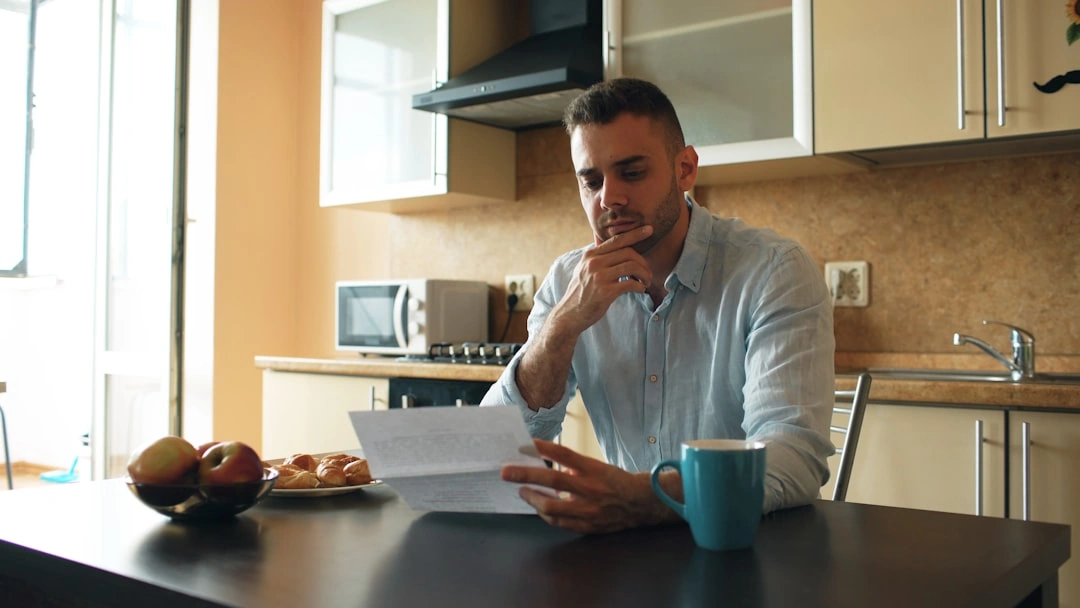
Before any fan gets mounted in a doorway or any infrared images start glowing with color, the audit usually begins with a conversation and a careful visual review.
What happens during a home energy audit before any testing begins
The opening interview matters more than many homeowners expect. The auditor will usually ask about:
• The last 12 months of utility bills
• Rooms that are too hot or too cold
• Noticeable drafts
• Moisture or condensation problems
• Allergy, air quality, or comfort concerns
• Recent remodeling or additions
• The age of the HVAC equipment
• Occupancy patterns and thermostat habits
This step helps connect your real-world experience to the testing results. If you say the back bedroom is always uncomfortable, the auditor knows where to pay special attention.
Exterior checks that reveal energy loss
Outside the home, the auditor may inspect:
• Windows and door condition
• Visible gaps around penetrations
• Siding and exterior wall condition
• Roofline clues that may suggest attic issues
• Attic and crawlspace vents
• Exposed ductwork
• Shading from trees or nearby structures
• Drainage or moisture concerns around the foundation
Exterior observations often reveal how heat enters, escapes, or bypasses the home envelope.
Interior visual inspections room by room
Inside, the inspection becomes more detailed. The auditor typically checks ceilings, walls, floors, vents, registers, and access points throughout the house. Common visual red flags include:
• Insulation gaps in attic areas
• Poor weatherstripping at doors
• Drafts around windows and baseboards
• Air leakage around recessed lights
• Leaky attic hatches
• Gaps around plumbing or wiring penetrations
• Loose outlet covers on exterior walls
• Dirty filters
• Water stains or signs of past moisture
• Weak bathroom or kitchen exhaust ventilation
These visual clues often point to larger performance problems behind the scenes.
Diagnostic Tests and Equipment Used During the Audit
The visual inspection finds the obvious. Diagnostic testing finds the hidden stuff. This is the part many homeowners are most curious about, because it answers the real question behind what happens during a home energy audit.
What happens during a home energy audit with blower door and thermal imaging
A blower door test is one of the most useful parts of a comprehensive audit. A calibrated fan is temporarily installed in an exterior doorway to depressurize the home. In plain English, it pulls air out so outside air starts sneaking in through all the cracks and leaks.
That makes it easier to locate:
• Drafts around windows and doors
• Air leaks at attic penetrations
• Leaks around recessed lights
• Gaps at baseboards and framing joints
• Leaky crawlspace connections
• Duct leakage pathways
Auditors may use a smoke pen or similar tool to visibly trace airflow at leak points.
Infrared imaging often happens during or around the blower door test. A thermal camera highlights temperature differences that can reveal:
• Missing or thin insulation
• Hidden air leakage
• Thermal bridging through framing
• Heat gain in walls or ceilings
• Problem spots around ducts and registers
This is how issues hidden behind drywall or above ceilings become visible without opening anything up.
Safety and health checks included in many professional audits
A professional audit should not focus on energy savings alone. Homes are systems, and efficiency changes affect health and safety too. Depending on the home, the audit may include checks for:
• Carbon monoxide levels
• Combustion appliance safety
• Backdrafting risks
• Gas leaks
• Moisture levels
• Ventilation performance
• Mold-risk conditions tied to dampness
Combustion safety is especially important in homes with gas furnaces, water heaters, or fireplaces. If the home is tightened through air sealing, ventilation and safe appliance operation matter even more.
How heating, cooling, ductwork, and appliances are evaluated
The audit also looks at the systems that actually use energy every day. That often includes evaluation of:
• Furnace or heating system operation
• Air conditioner or heat pump performance
• Thermostat settings and programming
• Filter condition
• Airflow at registers
• Duct leakage and duct insulation
• Water heater efficiency and location
• Major appliances
• Lighting loads
• Plug loads from electronics and devices
In many homes, duct leakage is a major source of waste. Conditioned air may be escaping into attics, crawlspaces, or wall cavities instead of reaching the rooms you are paying to cool or heat.
If you want a closer look at the service itself, visit our Energy Savings Audits page.
What Homeowners Should Do Before the Appointment
A little prep can make the appointment smoother and the results more accurate.
Simple prep steps that help the audit go smoothly
Before the auditor arrives, it helps to:
• Close and latch all exterior windows and doors
• Clear access to the attic, crawlspace, furnace, air handler, and water heater
• Move stored items away from mechanical equipment
• Unlock gates if exterior equipment needs to be checked
• Secure pets
• Open blinds or curtains where needed for inspection
• Clean out fireplace ashes if asked before a blower door test
• Make note of trouble spots in the home
These small steps can save time and help the auditor inspect more thoroughly.
What documents and details to have ready
Helpful information includes:
• 12 months of utility bills
• Notes about comfort issues by room
• Dates of major remodels or additions
• Approximate age of HVAC equipment
• Moisture or leak history
• Allergy or indoor air quality concerns
The more context you provide, the better the final recommendations can be tailored to your home.
Best questions to ask during the visit
Homeowners get the most value when they treat the audit like a chance to learn. Smart questions include:
• Where is my home losing the most energy?
• Which issues affect comfort the most?
• Are there any safety concerns I should address first?
• Which improvements should be prioritized?
• Will insulation, duct sealing, or HVAC work make the biggest difference?
• Should I schedule improvements before peak summer or winter?
• Are there utility incentives or program options available in our area?
• Will upgrades help with indoor air quality too?
What You Get After the Audit and How to Use the Results
A good audit does not end with "Yep, your house leaks air." It should end with a practical action plan.
What happens during a home energy audit after testing is finished
Once testing is complete, the auditor usually reviews the findings with you and prepares a report. That report may include:
• Notes from the visual inspection
• Test results from blower door or duct leakage testing
• Infrared images or photos
• A prioritized list of recommended fixes
• Potential energy-saving benefits
• Health and safety observations
• Guidance on which improvements should come first
In more advanced audits, the findings may be entered into approved energy modeling software to evaluate which upgrades are most effective based on local conditions, utility rates, and home characteristics.
Common recommendations and expected benefits
Recommendations vary by home, but common next steps include:
• Air sealing around leaks and penetrations
• Adding or improving attic insulation
• Sealing and insulating ducts
• HVAC tune-ups or airflow corrections
• Replacing aging heating or cooling equipment
• Improving ventilation
• Upgrading lighting to LEDs
• Addressing moisture-related issues
The benefits can be significant. Recommended efficiency improvements often reduce energy use while also improving comfort. Many homeowners notice:
• More even temperatures
• Less strain on HVAC equipment
• Better indoor air quality
• Fewer drafts
• Reduced moisture risk
• A more comfortable home overall
When to schedule improvements after the audit
The best time to act is usually before demand peaks. Many homeowners schedule improvements:
• Before summer cooling season
• Before winter heating season
• Before replacing HVAC equipment
• Before switching to electrification upgrades
• Before adding solar
That timing matters. If the home envelope is improved first, your future HVAC system may be sized more appropriately instead of compensating for avoidable energy loss.
For seasonal planning, you can also read Start Year Off Right Energy Savings Audit and Schedule Energy Savings Audit Before Turning On Heater.
Frequently Asked Questions About Home Energy Audits
Can a DIY audit replace a professional home energy audit?
Not completely. A DIY audit is useful for spotting obvious issues like:
• Dirty filters
• Drafty windows
• Missing weatherstripping
• Old light bulbs
• Uninsulated attic access points
But DIY reviews have limits. They do not usually include blower door testing, thermal imaging, combustion safety testing, or measured duct leakage. In other words, they are good for screening, not for getting the full picture.
Are there free or low-cost home energy audit options?
Sometimes, yes. Depending on where you live in the Sacramento area, homeowners may find utility-sponsored programs, community efficiency initiatives, or weatherization assistance programs that include assessments or bundled upgrades. Availability and eligibility can vary, so it is worth checking current local offerings when you are ready to schedule.
Is an audit worth it if my HVAC system still works?
Yes. A working HVAC system can still be fighting an inefficient home. An audit can uncover duct losses, air leakage, insulation deficiencies, ventilation issues, and comfort problems that cause the system to work harder than it should. It can also help with right-sizing if you plan to replace equipment later.
If your bills feel too high even though the system runs, this is often exactly the right time for an audit. You can learn more in Energy Bills Too High Elk Grove Ca Consider Energy Audit.
Conclusion
When homeowners ask us what happens during a home energy audit, the short answer is this: your home gets examined as one connected system. The process starts with your concerns, moves through visual inspections and diagnostic testing, checks for safety and health issues, evaluates HVAC performance, and ends with a clear plan for improvement.
For homeowners in Sacramento, Elk Grove, Folsom, Roseville, Rocklin, Rancho Cordova, El Dorado Hills, Lincoln, Woodland, Carmichael, Citrus Heights, Fair Oaks, Granite Bay, Mather, and Orangevale, that can mean a healthier home, better comfort, and less wasted energy season after season.
If you are ready to understand how your home is really performing, Jaguar Heating & Air is here to help with practical guidance and local HVAC expertise. You can explore more about the value of audits in The Bright Side Of Energy Audits To Uncover Savings And Sustainability and Why Need Schedule Energy Savings Audit Elk.
For a direct next step, visit our Energy Savings Audits service page.
Recent Posts
HVAC Maintenance: Troubleshooting the Fall Heating Startup
Why does your furnace smell like burning on that first chilly morning? Use our home maintenance tips and troubleshooting to know when to call a pro this fall.
HVAC Maintenance: Home Maintenance Tips and Troubleshooting for Fall Heating Startup
Why some systems smell burning during fall startup, and how these home maintenance tips and troubleshooting steps help you decide when to call a professional.
The Fall Seasonal Home Maintenance Checklist: Decoding Heating Startup Smells and Sounds
What that burning dust smell means for your furnace, and how to use this seasonal home maintenance checklist to decide when to call a pro this fall.