.avif)
A Practical Guide to Extreme Heat and Wildfire Smoke
Learn how extreme heat and wildfire smoke stress your system with expert Sacramento HVAC tips for safer indoor air during heatwaves and smoke events.
Learn how extreme heat and wildfire smoke stress your system with expert Sacramento HVAC tips for safer indoor air during heatwaves and smoke events.

When the Air Itself Becomes the Hazard: Heat and Smoke in Sacramento
Understanding how extreme heat and wildfire smoke stress your system is something every Sacramento-area homeowner needs to take seriously — especially as Northern California summers grow longer, hotter, and smokier each year. These two climate hazards do not just add up when they hit at the same time. Research suggests they multiply each other's dangers, putting your heart, lungs, and brain under a level of strain that neither threat could cause on its own.
By May 2026, wildfire season is no longer a late-summer event in California. It is a near year-round reality. When triple-digit heat arrives alongside smoke-filled skies, your body is fighting two battles simultaneously: trying to cool itself down while also defending against toxic particles and gases entering your lungs and bloodstream.
Here is a quick summary of how the two stressors affect your body together:
| Stressor | Primary Body System Affected | Key Danger |
|---|---|---|
| Extreme heat | Cardiovascular, renal, neurological | Overheating, heat stroke, organ stress |
| Wildfire smoke (PM2.5) | Respiratory, cardiovascular, immune | Inflammation, airway damage, heart strain |
| Both together | All of the above — amplified | Synergistic mortality risk greater than either alone |
The good news is that you can take concrete steps to protect yourself and your family — starting with the air inside your own home.
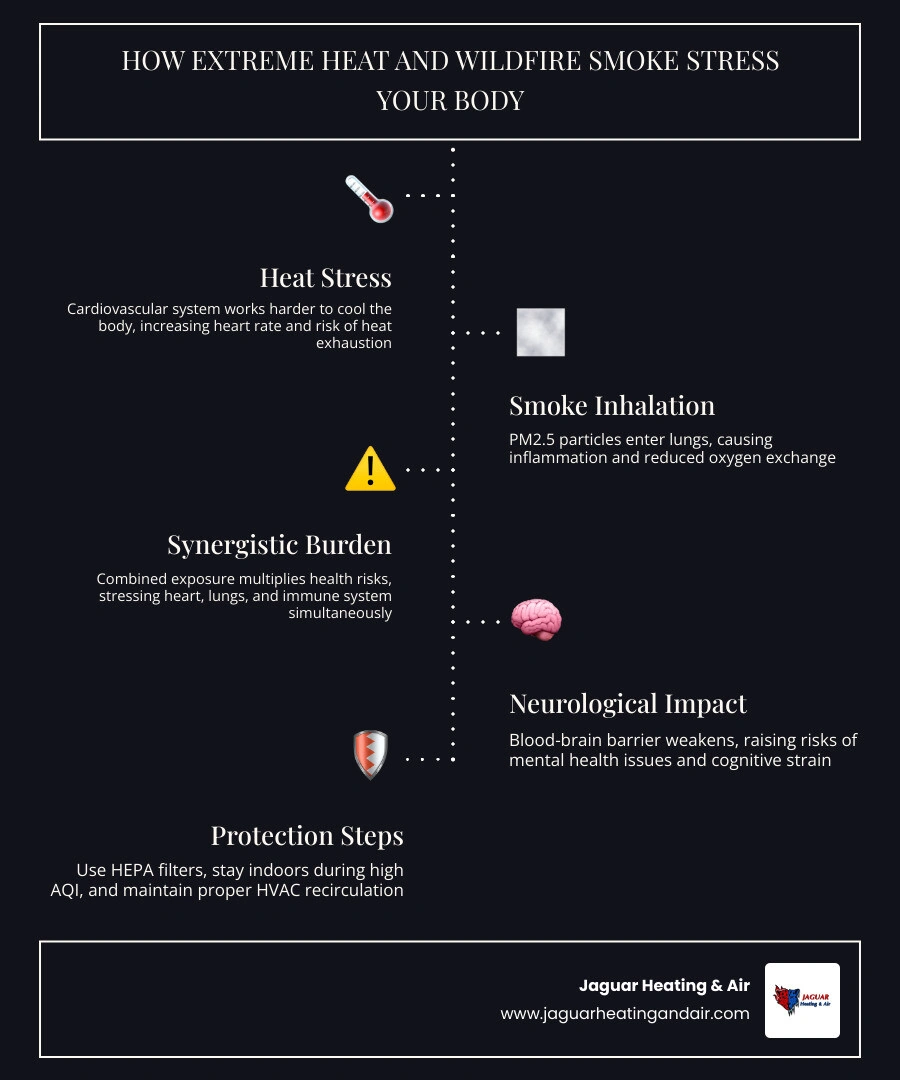
The Synergistic Impact: How Extreme Heat and Wildfire Smoke Stress Your System
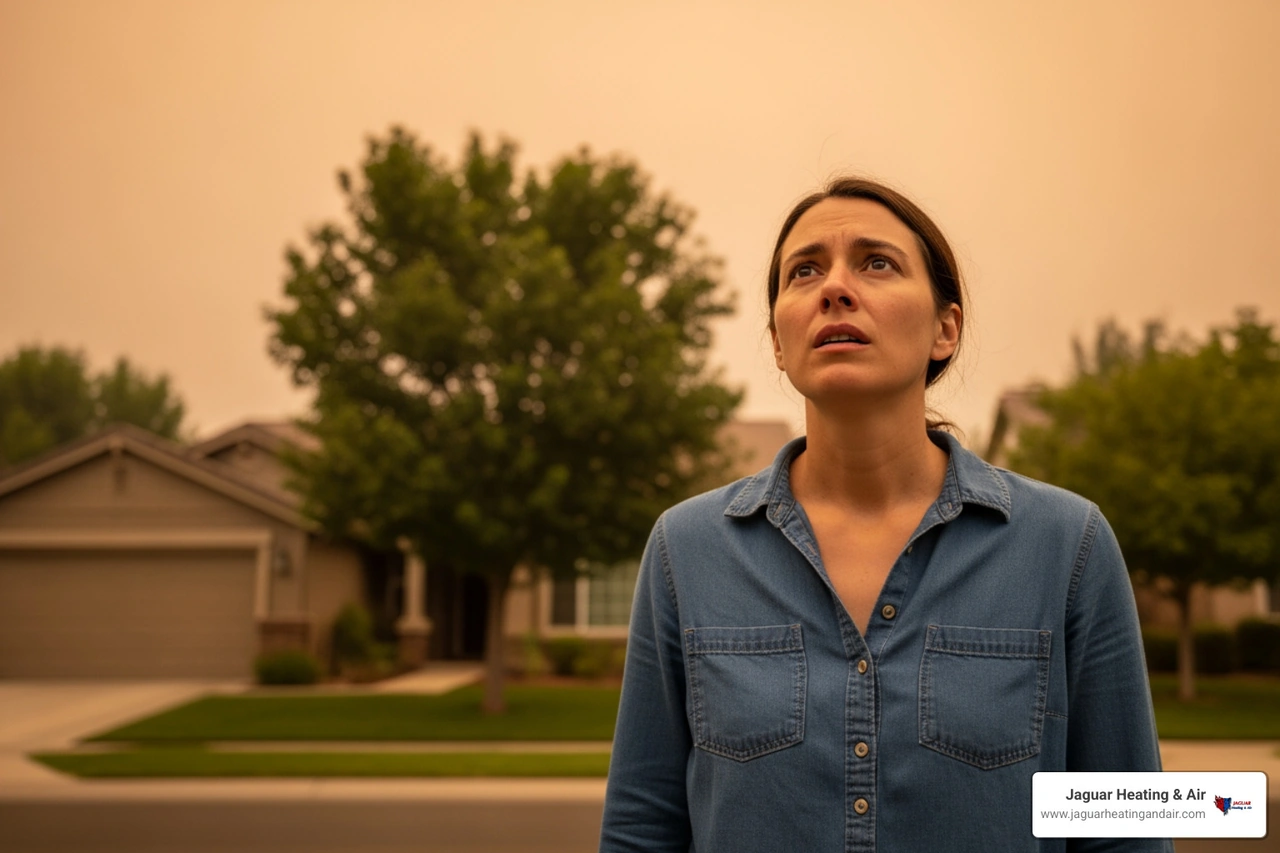
When we talk about "synergy," we usually mean two things working together for a better result. In the case of climate stress, however, it’s a much darker partnership. Recent scientific evidence suggests that being exposed to both smoke and extreme heat at the same time is significantly worse for your health than being exposed to just one.
Your body’s primary defense against heat is thermoregulation—sending blood to the skin and sweating to cool off. But when the air is thick with wildfire smoke, your system is already preoccupied with systemic inflammation and oxidative stress. The smoke particles (PM2.5) are so tiny they cross from your lungs into your bloodstream, triggering an immune response that makes your heart work even harder.
This creates a massive cardiovascular workload. Think of it like this: your heart is already racing to pump blood to the surface to cool you down, and now it has to pump blood through vessels that are becoming inflamed and constricted due to smoke exposure. The Triple-Digit Struggle: Why Your AC Works Overtime is a real phenomenon for your body, too.
Historically, we’ve seen the tragic results of this combination. During the 2010 Moscow heatwave and wildfires, smoke was responsible for roughly 29% of the 10,859 excess deaths recorded. When the temperature spikes, the mortality risk from smoke doesn't just increase—it spikes exponentially.
How extreme heat and wildfire smoke stress your system through respiratory distress
The most immediate "hit" usually happens in your lungs. Wildfire smoke is a complex cocktail of gases and fine particulate matter (PM2.5). These particles are roughly 30 times smaller than a human hair, allowing them to travel deep into the smallest corners of your lungs.
Once there, they activate TRPV1 receptors, which can lead to immediate bronchoconstriction—a fancy way of saying your airways tighten up. For our neighbors in Roseville or Elk Grove living with asthma or COPD, this can be life-threatening. The heat only makes it worse; extreme high temperatures are associated with a significant decrease in lung function (FEV1) for asthma patients.
If you start noticing a scratchy throat or a cough while indoors, it’s a major red flag. Paying attention to the Warning Signs of Poor Indoor Air Quality is your first line of defense in keeping your respiratory system from hitting a breaking point.
Cardiovascular and neurological warning signs
It isn't just your lungs that take the brunt of the damage. Heat exposure causes your heart rate to climb—roughly 26 beats per minute for every 1.8°F (1°C) rise in core body temperature. When you add smoke to the mix, the risk of out-of-hospital cardiac arrest can jump by as much as 70%.
The "toxic stress" of these events even crosses the blood-brain barrier. Particulate matter can affect the brain, contributing to mental health crises. Interestingly, research has shown that people with schizophrenia face the highest increased risk of mortality during combined heat and smoke events. This is why there are so many Reasons to Maintain Your Home's HVAC System; your air conditioner is essentially a piece of life-support equipment during a Sacramento "Smoke-nado" event.
Identifying the Symptoms of Heat and Smoke Exposure
Knowing the difference between "I'm just hot" and "my system is failing" can save your life. Heat exhaustion and heat stroke are the most common heat-related illnesses, but smoke adds layers of eye irritation, wheezing, and persistent coughing that can mask deeper issues.
| Symptom | Heat Exhaustion | Heat Stroke (Emergency!) |
|---|---|---|
| Skin | Pale, cool, clammy | Red, hot, dry (no sweating) |
| Pulse | Fast and weak | Fast and strong |
| Mental State | Dizziness, fatigue | Confusion, seizures, unconsciousness |
| Body Temp | Usually under 103°F | Over 103°F |
| Nausea | Common | Common |
Early warning signs of system failure
Before a full-blown crisis, your body will send out "check engine" lights. Dizziness, nausea, and muscle cramps are signs of electrolyte imbalance and dehydration. If you are also breathing smoke, you might feel a sudden shortness of breath or chest pain.
When your system is stressed, your home shouldn't be. Following Tips to Boost HVAC Efficiency ensures that your cooling system doesn't fail right when you need it to provide a sanctuary from the outdoor chaos.
Severe reactions requiring medical attention
If you or a loved one experiences seizures, confusion, fainting, or a high body temperature that won't come down, call 911 immediately. These are signs of heat stroke. Similarly, if you experience sudden chest pain or difficulty speaking, it could indicate a cardiovascular event triggered by the smoke and heat.
For those in areas like Rancho Cordova or Folsom, we highly recommend looking into professional Indoor Air Quality Services to ensure your home is equipped with the filtration necessary to prevent these pollutants from reaching dangerous levels inside.
Who is Most Vulnerable to Combined Climate Stress?
While how extreme heat and wildfire smoke stress your system is a concern for everyone, certain "sensitive populations" are at much higher risk.
- Older Adults: Aging reduces the density of thermoreceptors and sweat production, making it harder to cool down. Global heat-related mortality for those over 65 has risen by 167% since the 1990s.
- Children: Kids breathe more air per pound of body weight than adults, meaning they take in more smoke toxins during outdoor play.
- Pregnant Women: High PM2.5 exposure has been linked to lower birth weights and preterm births. One study showed a 16% increased risk of preterm birth during heatwaves.
- Outdoor Workers: Those working in construction or agriculture in Lincoln or Woodland often can't avoid the exposure.
- People with Pre-existing Conditions: Heart disease, diabetes, and kidney disease all make the body less resilient to heat and inflammation.
For these groups, high-quality Air Filtration isn't a luxury—it's a health necessity.
Protecting Your Indoor Air Quality and Home Comfort
Your home should be your fortress. The most effective way to protect your indoor environment is to use high-efficiency filters—specifically those with a MERV 13 rating or higher. These are dense enough to trap the tiny PM2.5 particles found in wildfire smoke.
However, a filter is only as good as the system it’s in. How Dirty Ductwork Decreases HVAC Efficiency is a major concern; if your ducts are leaky or clogged, they can actually pull smoky air from your attic or crawlspace into your living area. This is why The Importance of Residential Duct Cleaning cannot be overstated during wildfire season.
How extreme heat and wildfire smoke stress your system when AC is unavailable
If you do not have air conditioning, the situation is more complex. Normally, you’d open windows at night to cool the house. But if it’s smoky, you’re letting in toxins. In this scenario, health experts suggest prioritizing cooling over air quality. Overheating is a more immediate threat to life than smoke exposure.
- Visit Cooling Centers: Head to public libraries or malls in Sacramento or Citrus Heights that have professional-grade AC and filtration.
- Use Fans Wisely: Fans don't cool the air; they cool you by evaporating sweat. Only use them if the indoor temperature is below 95°F.
- Shade Everything: Block sunlight with heavy curtains or aluminum foil on windows to keep the "greenhouse effect" at bay.
Checking for Signs to Schedule Duct Cleaning in Sacramento before the season starts can ensure that when you do have the AC on, it’s working at peak performance.
Optimizing HVAC performance during smoke events
If you have a central HVAC system, you have a powerful tool at your disposal.
- Run the Fan Continuously: Switch your thermostat from "Auto" to "On." This keeps the air moving through your high-efficiency filter even when the cooling cycle isn't running.
- Close Fresh Air Intakes: If your system has a "fresh air" option, turn it off or set it to recirculate. You want to keep the outside air outside.
- Maintenance is Key: Knowing How to Get Air Conditioner Ready for Spring ensures your system won't conk out during a 110-degree smoky afternoon.
For the best protection, consider integrated Indoor Air Quality Services that can add whole-home purifiers directly into your ductwork.
Practical Steps for Outdoor Safety and Monitoring
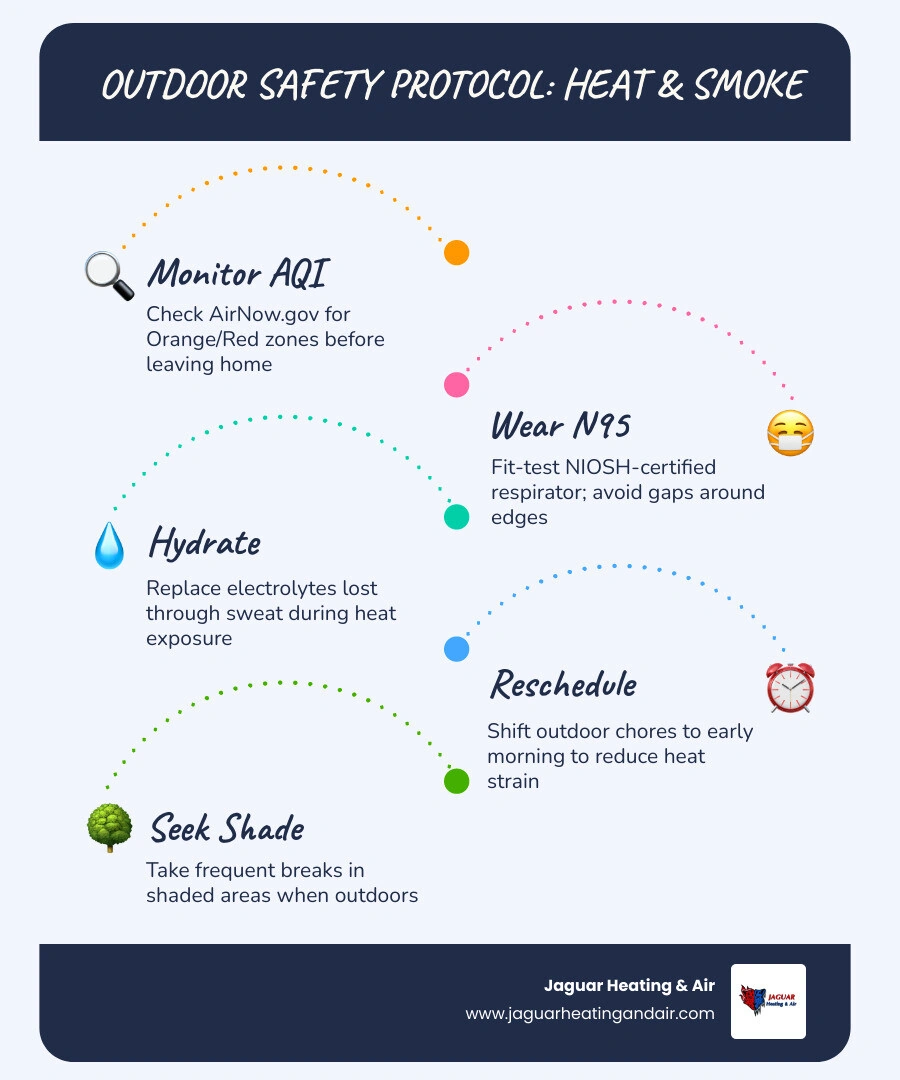
If you must go outside in places like El Dorado Hills or Granite Bay when it's smoky and hot, you need a plan.
- Check the AQI: Use AirNow.gov to monitor the Air Quality Index. If it’s in the "Orange" or "Red" zones, stay inside.
- Wear an N95: Surgical masks and cloth masks do nothing for wildfire smoke. You need a NIOSH-certified N95 or P100 respirator. Make sure it fits tightly; air will take the path of least resistance (around the gaps) if it isn't sealed.
- Hydrate with Electrolytes: Sweating drains your body of salt and minerals. Water alone might not be enough during extreme heat events.
- Reschedule: Do your chores in the early morning. While this can sometimes be the smokiest time of day as smoke "settles," it is usually the safest time regarding heat stress.
Frequently Asked Questions about Heat and Smoke
What is the most dangerous part of wildfire smoke?
The most dangerous component is PM2.5—tiny particles that can enter the bloodstream. However, smoke also contains toxic gases like carbon monoxide and nitrogen dioxide, heavy metals like mercury (from burning soil and trees), and PAHs (carcinogens). These cause persistent inflammation throughout the body.
Should I run my AC if it is smoky outside?
Yes! Most residential AC units do not pull air from the outside; they recirculate the air already inside your home. By running the AC, you are cooling your body (reducing heat stress) and filtering the air (reducing smoke stress). Just ensure you have a clean, high-efficiency filter installed.
How do I know if my indoor air is unsafe?
Physical cues are your best guide. If you experience stinging eyes, a scratchy throat, or can see a visible haze in the light coming through your windows, your indoor air quality is compromised. Check for Warning Signs of Poor Indoor Air Quality to stay ahead of the problem.
Conclusion
At Jaguar Heating & Air, we know that Sacramento summers are getting tougher. We aren't just here to fix broken air conditioners; we are here to ensure your home remains a safe, healthy sanctuary for your family. Whether you are in Roseville, Elk Grove, or right in the heart of Sacramento, our NATE-certified technicians are ready to help you optimize your indoor air quality and cooling efficiency.
Don't wait for the next "Smoke-nado" to hit. From duct cleaning to whole-home air filtration and same-day AC service, we provide the dependable comfort you need to weather any storm.
Schedule professional indoor air quality services today and breathe easier knowing your home is ready for whatever the California summer throws your way.
Recent Posts
Why We Test Your AC's Amp Draw During Late Summer Maintenance
Even if your vents are blowing cold air, months of intense heat can push your compressor to the brink. We measure invisible electrical fatigue to catch stressed parts before a total breakdown.
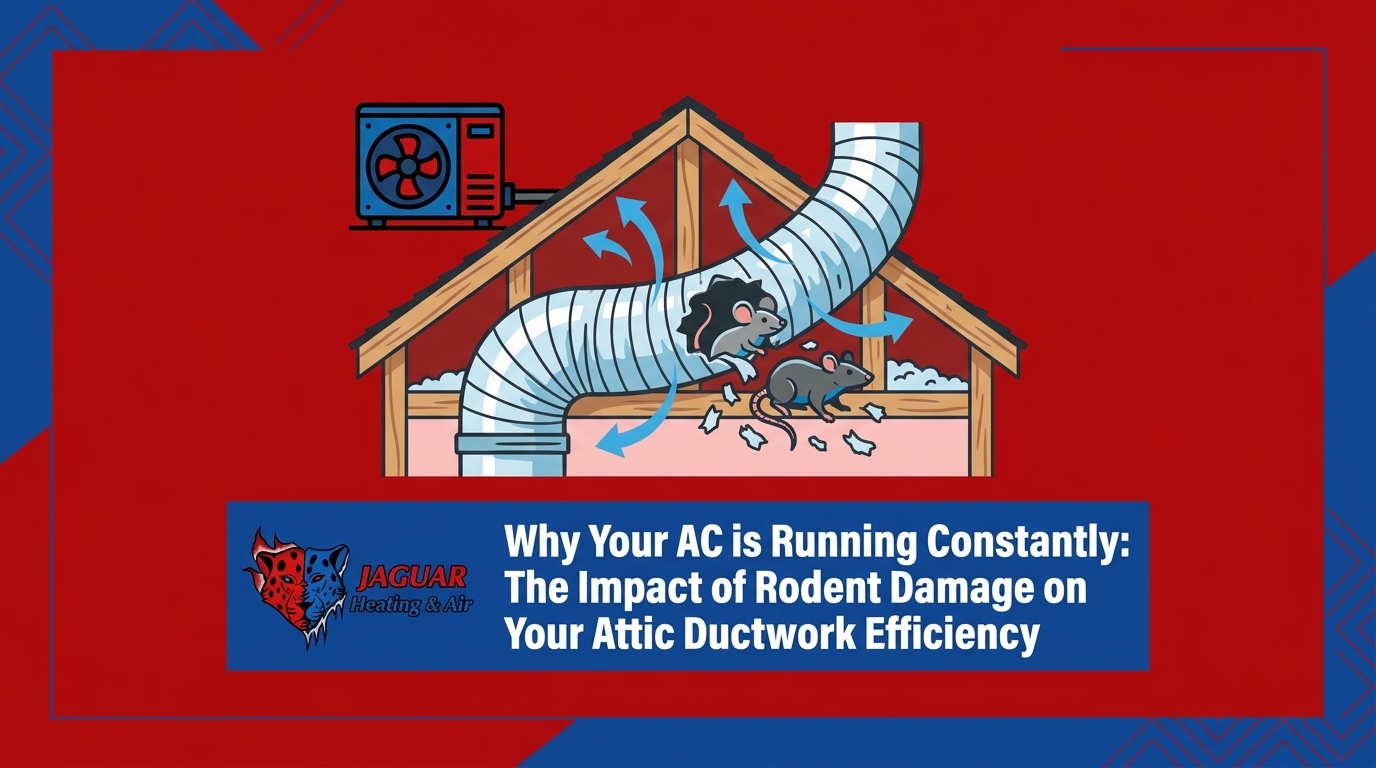
The Impact of Rodent Damage on Your Attic Ductwork Efficiency
If your cooling system runs constantly but your home stays warm, roof rats may have chewed through your flex ducts. See why a tape patch isn't enough to safely restore your system's airflow.
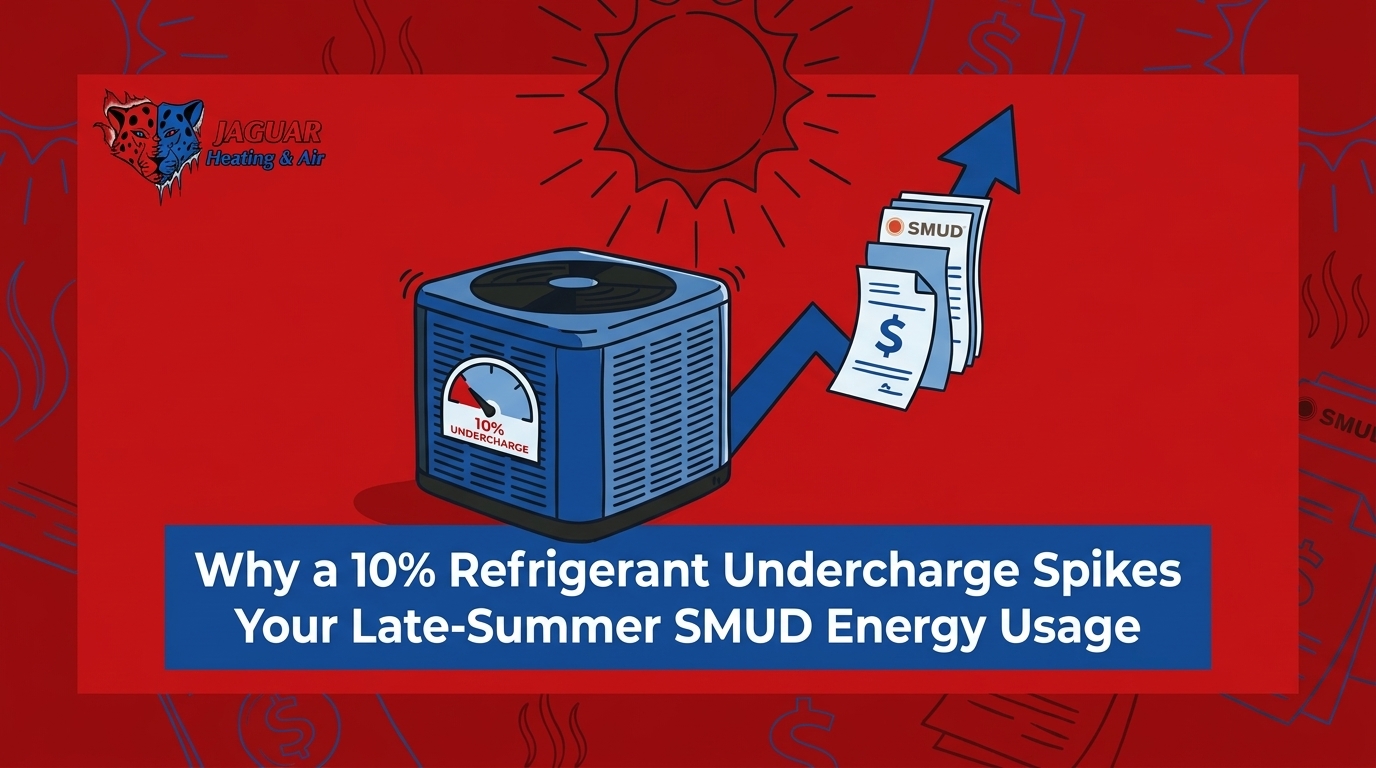
How Proper Refrigerant Charge Impacts Your Monthly SMUD Bill
Blaming lingering Sacramento heat for high September electricity usage? A minor 10% refrigerant undercharge forces your AC to run drastically longer, quietly multiplying your energy costs.