.avif)
Ultimate Guide to Getting the Right HVAC Size for Sacramento Homes
Discover how getting the right size hvac for the sacramento area homes improves comfort and efficiency in your Sacramento home.
Discover how getting the right size hvac for the sacramento area homes improves comfort and efficiency in your Sacramento home.

Why Proper HVAC Sizing Matters in Sacramento
When we talk about HVAC sizing, we aren't talking about the physical dimensions of the unit sitting in your side yard. We are talking about capacity—the system's ability to remove heat from your home in the summer and add it in the winter. In a region like ours, where the "Delta Breeze" provides evening relief but the afternoon sun can be relentless, getting this capacity right is a high-stakes balancing act.
Proper sizing affects every aspect of your home life. If the system is sized correctly, it will run long enough to dehumidify the air and distribute coolness evenly to every corner of your house. If it is mismatched, you’ll likely experience hot and cold spots, clammy indoor air, and a utility bill that makes you double-check the math. Furthermore, a system that is forced to work harder than it was designed for will inevitably break down sooner, leading to expensive repairs during the hottest weeks of July. You can learn more about why AC sizing matters for Sacramento, CA homes to ensure you aren't caught off guard.
Why getting the right size hvac for the sacramento area homes is not a guess
For decades, many contractors used "rules of thumb," such as "one ton of cooling for every 500 square feet." In May 2026, we know that these guesses are outdated and dangerous for your wallet. Modern HVAC sizing relies on a Manual J load calculation. This is a sophisticated protocol developed by the Air Conditioning Contractors of America (ACCA).
A Manual J calculation doesn't just look at the floor plan. It accounts for:
- Insulation levels: Is your attic insulated to modern standards, or are you losing air through thin walls?
- Window orientation: A home with massive west-facing windows in Roseville will have a much higher "heat gain" than a shaded home in Land Park.
- Occupancy: How many people live in the home? Each person generates heat.
- Ceiling height: A room with 12-foot vaulted ceilings has much more air volume to cool than a standard 8-foot room.
What happens when a system is too small or too large
The risks of getting it wrong are significant. An undersized system is like a small engine trying to pull a heavy trailer up a mountain; it will run 20–50% longer cycles, struggling to reach the thermostat setting. This leads to massive wear and tear and high utility bills.
Conversely, an oversized system is just as bad. It engages in "short cycling," where it blasts the home with cold air and shuts off within minutes. Because it doesn't run long enough, it never has the chance to pull moisture out of the air, leaving your home feeling "cold and clammy." Research shows that an oversized system can increase energy costs by 20–30% because the start of an AC cycle uses the most energy and creates the most strain on the components.
How Sacramento weather changes the sizing equation
Sacramento is located in Climate Zone 3B, characterized as "Warm-Dry." Our summers are intense, but our winters are relatively mild compared to the Sierras or the East Coast. This means our HVAC systems are "cooling-dominant."
Sizing must account for the peak summer heat while acknowledging that the Delta Breeze can quickly drop outdoor temperatures in the evening. A system must be robust enough to handle a 105°F afternoon in Citrus Heights but efficient enough not to waste energy when the sun goes down.
How to Determine the Right HVAC Size for Your Home
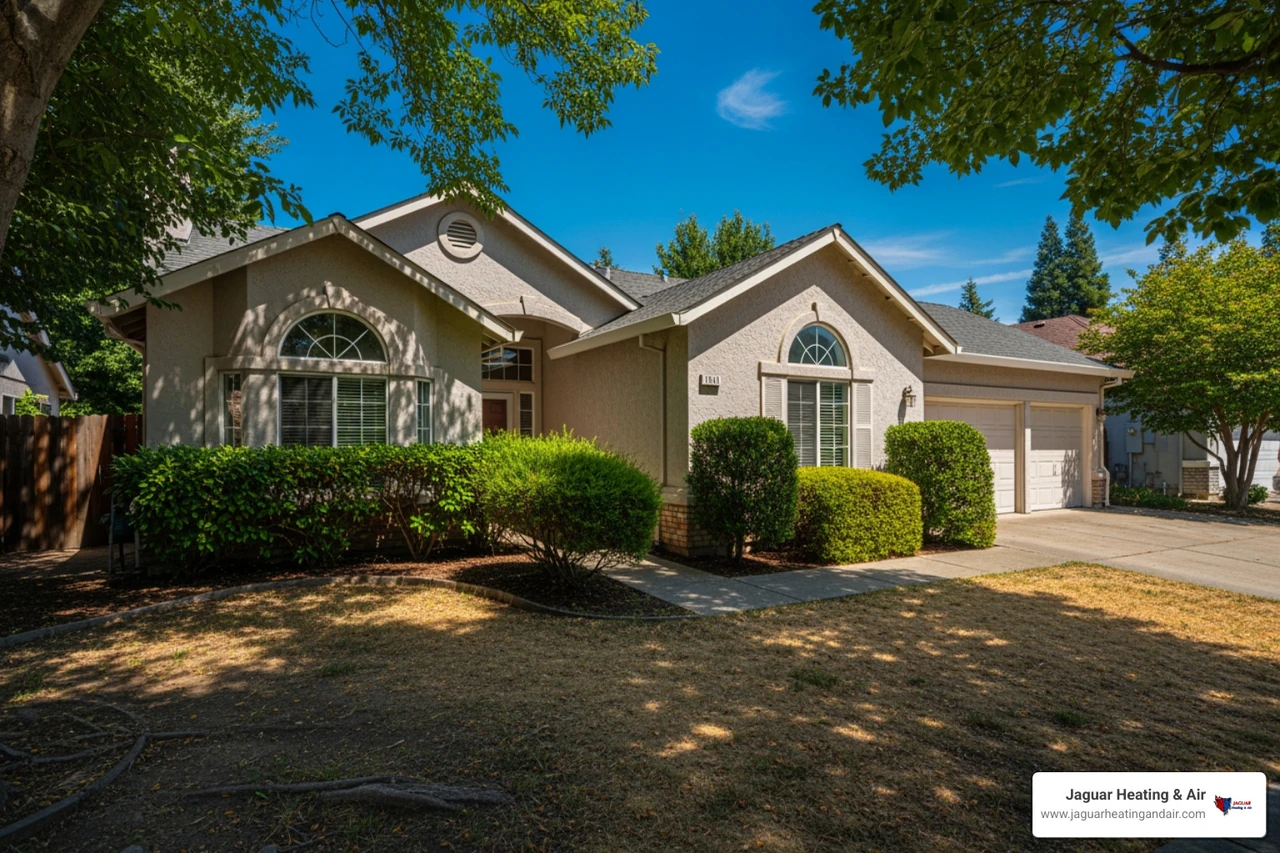
Determining the correct size requires a holistic look at your property. We don't just look at the house; we look at how the house sits on the lot. A home in El Dorado Hills perched on a ridge with full sun exposure has a completely different load profile than a bungalow in a shaded Sacramento neighborhood.
Getting the right size hvac for the sacramento area homes starts with Manual J
When we perform a Manual J calculation, we are looking for the total heat gain (in the summer) and heat loss (in the winter). This is measured in British Thermal Units (BTUs). In the HVAC world, 12,000 BTUs equals one "ton" of cooling capacity. Most residential systems range from 1.5 to 5 tons.
By calculating the specific room-by-room loads, we can ensure that the master bedroom stays just as cool as the kitchen, preventing those frustrating temperature swings that occur when a system is "ballparked."
Why square footage alone is not enough
While you can find DIY formulas online—like multiplying your square footage by 25 to get a base BTU—these are only starting points. They don't account for:
- Two-story layouts: Heat rises, meaning the second floor often needs a different approach than the first.
- Additions: If you’ve converted a garage or added a sunroom, your old unit is likely no longer the right size.
- Home age: A home built in the 1950s in Carmichael has different thermal properties than a new build in Folsom.
Relying on square footage alone often leads to the "bigger is better" myth, which results in the short-cycling issues mentioned earlier.
Ductwork, airflow, and installation details that affect performance
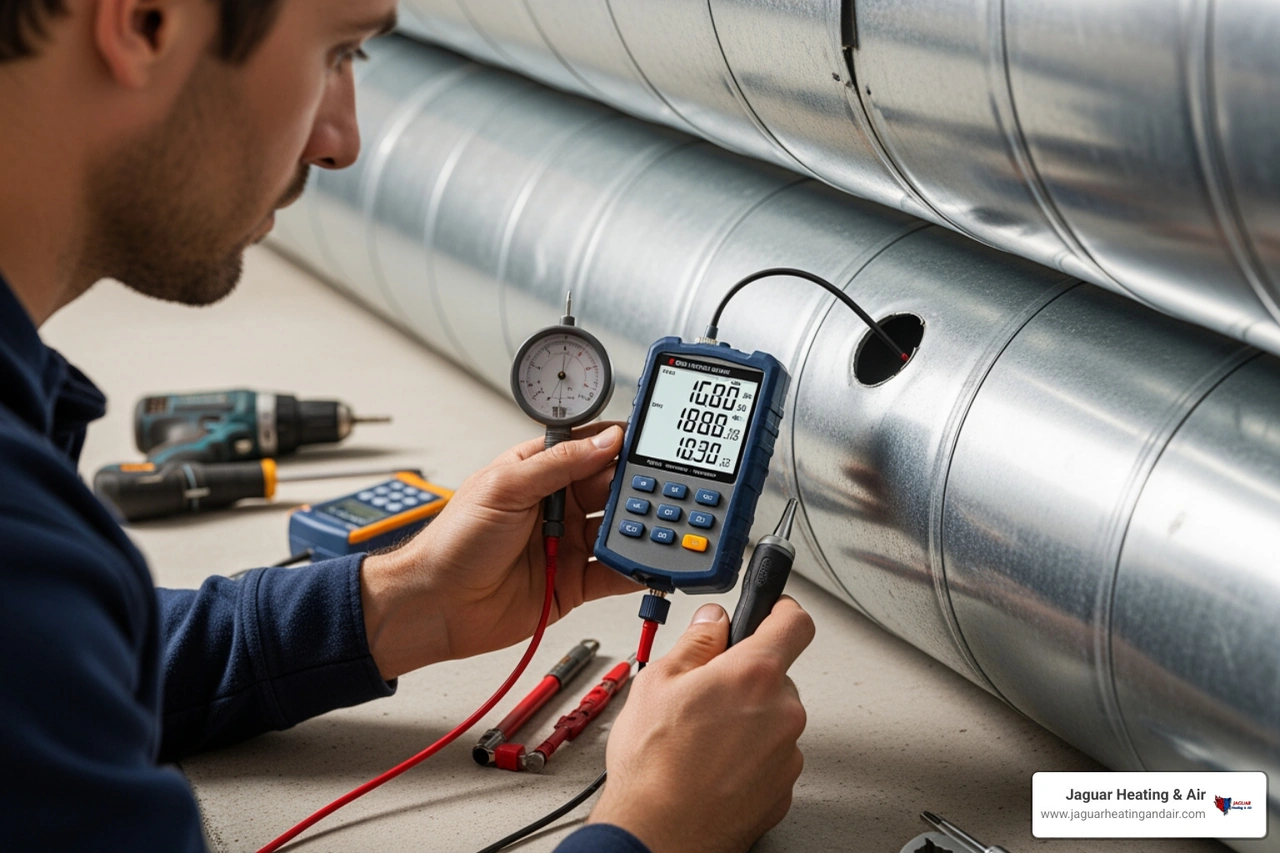
You could have the perfectly sized unit, but if your "delivery system"—the ductwork—is failing, the size won't matter. Leaky or poorly sized ducts can reduce system efficiency by 20–30%.
During a professional installation, we check for static pressure (the resistance to airflow) and ensure the return air vents are large enough to let the system "breathe." If you increase the tonnage of your AC but keep old, narrow ducts, the system will whistle, vibrate, and eventually fail. Understanding the importance of correct HVAC installation is vital for any homeowner looking to protect their investment.
Best HVAC System Types for Sacramento Homes
Choosing the right size is half the battle; the other half is choosing the right type of system for our specific Northern California conditions.
| System Type | Best For | Key Advantage |
|---|---|---|
| Split System | Homes with existing ductwork | Traditional, reliable, and high SEER2 options available. |
| Heat Pump | Modern Sacramento homes | Highly efficient; provides both heating and cooling without gas. |
| Ductless Mini-Split | Additions, garages, or older homes | Zone control; no energy loss through ductwork. |
| Packaged System | Homes with limited indoor space | All components in one outdoor cabinet; usually roof-mounted. |
Getting the right size hvac for the sacramento area homes also means choosing the right system type
If you are remodeling a historic home in Midtown that doesn't have room for large ducts, a ductless mini-split might be the "right size" solution. For a large family home in Rocklin, a multi-zone split system allows you to cool the living areas during the day and the bedrooms at night, effectively "sizing" the cooling to where it's needed most.
Best options for newer homes, older homes, and room additions
- Newer Homes: These are often so well-insulated that they require smaller systems than you might expect. Over-sizing a new home is a common mistake that leads to humidity issues.
- Older Homes: These often benefit from a "dual-fuel" setup or high-efficiency heat pumps that can handle the draftier nature of older construction.
- Room Additions: Instead of taxing your existing central system, a small mini-split is often the most efficient way to size for a new space.
For a deeper dive into local options, check out our guide on beating the heat with the best HVAC setup for Sacramento area weather.
Heat pump vs furnace considerations for Sacramento conditions
In May 2026, heat pumps have become the gold standard for Sacramento. Because our winters are mild, a heat pump can efficiently pull heat from the outdoor air to warm your home. However, some homeowners still prefer a gas furnace for that "toasty" feel on the few nights it drops below freezing. Sizing a furnace is different than sizing an AC; you must factor in efficiency loss (AFUE rating) to ensure the actual heat output matches your home's needs.
Efficiency Ratings, Rebates, and Long-Term Performance
Once you know the size (tonnage) you need, the next choice is efficiency. This is where you decide how much you want to pay upfront versus how much you want to save every month on your SMUD or PG&E bill.
How efficiency ratings affect HVAC choices in Sacramento
- SEER2 (Seasonal Energy Efficiency Ratio): This measures cooling efficiency. In Sacramento’s heat, we recommend a SEER2 of 16 or higher. High-efficiency units can save hundreds of dollars annually compared to base models.
- HSPF2 (Heating Seasonal Performance Factor): This is crucial if you choose a heat pump, measuring how efficiently it heats during the winter.
- AFUE: This measures how much fuel a furnace converts to heat.
Understanding these numbers is key to making an informed choice. You can read more in our efficiency ratings explained for homeowners guide, or see how models stack up in our standard efficiency vs high efficiency HVAC comparison.
Rebates and incentives homeowners should check in 2026
The transition to high-efficiency equipment is supported by various incentives. In 2026, federal tax credits (such as those from the Inflation Reduction Act) can provide up to $2,000 for qualifying heat pumps. Local utilities like SMUD often offer substantial rebates for switching from gas to electric heat pumps. These incentives often make a higher-efficiency, properly sized system more affordable than a cheaper, less efficient one.
Maintenance habits that protect sizing, comfort, and efficiency
A perfectly sized system won't stay efficient if it's neglected.
- Change filters monthly during peak summer/winter.
- Keep the outdoor unit clear of leaves and debris from our valley oaks.
- Schedule seasonal tune-ups to ensure the refrigerant charge is exact—an incorrect charge can change the effective "size" of your system.
How to Choose a Qualified Contractor for Proper Sizing and Installation
The most important component of your HVAC system isn't the brand—it's the contractor who installs it. A poorly installed Trane or Carrier system will underperform a well-installed budget brand every time.
Questions to ask before replacing your HVAC system
When interviewing contractors in Sacramento or Elk Grove, ask these specific questions:
- "Will you perform a full Manual J load calculation, or are you basing the size on my old unit?"
- "Will you inspect my ductwork to see if it can handle the airflow of a new high-efficiency system?"
- "Do you handle the city/county permits and the HERS testing required by California law?"
- "Are your technicians NATE-certified?"
Red flags homeowners should avoid
Be wary of any contractor who gives you a quote over the phone without seeing your home. Other red flags include:
- Pushing a "bigger" unit because it's "on sale."
- Failing to mention permits or inspections.
- Suggesting you don't need a load calculation because "all the houses in this neighborhood use 3-ton units."
Why local Sacramento experience matters
Local experience is vital because Sacramento has unique microclimates. The cooling needs in the windy pocket of Mather are different than the sheltered streets of Granite Bay. We understand the local building codes and the specific construction styles—from mid-century moderns in South Land Park to the new stucco builds in Lincoln.
Getting that "just right" fit is a process we take seriously. For more on this philosophy, read Goldilocks and the HVAC: Finding the Just Right Size. And if you are specifically looking for heating, check out our tips on buying a new furnace sized correctly.
Frequently Asked Questions About Getting the Right HVAC Size for Sacramento Homes
Can I use my old unit’s size as the size for my replacement?
Not necessarily. If you have replaced windows, added insulation, or if the original unit was never sized correctly to begin with, copying the old size is a mistake. Always insist on a new calculation.
Is a bigger HVAC system better for Sacramento summers?
No. A bigger system will turn on and off too quickly (short cycling). This prevents it from removing humidity, leads to uneven temperatures, and causes the compressor to fail prematurely. "Bigger" usually just means "more expensive and less comfortable."
Can a high-efficiency unit fix sizing problems by itself?
Efficiency and capacity are two different things. A high-efficiency unit that is the wrong size will still perform poorly. You need the right capacity combined with high efficiency to see the best results.
Conclusion
At Jaguar Heating & Air, we believe that getting the right size HVAC for the Sacramento area homes we serve is the foundation of long-term comfort. Whether you are in Rancho Cordova, Fair Oaks, or Woodland, your home is a unique environment that deserves a customized comfort solution.
Don't settle for "close enough" when it comes to your home's heating and cooling. A properly sized, high-efficiency system is an investment that pays dividends in lower bills, better sleep, and a higher property value. In fact, there is a strong connection between energy-efficient HVAC and your home value that every Northern California homeowner should consider.
Ready to find the perfect fit for your home? Explore our full range of services or contact us today to schedule a professional load calculation. Let us help you turn your Sacramento house into a perfectly cooled sanctuary.
Recent Posts
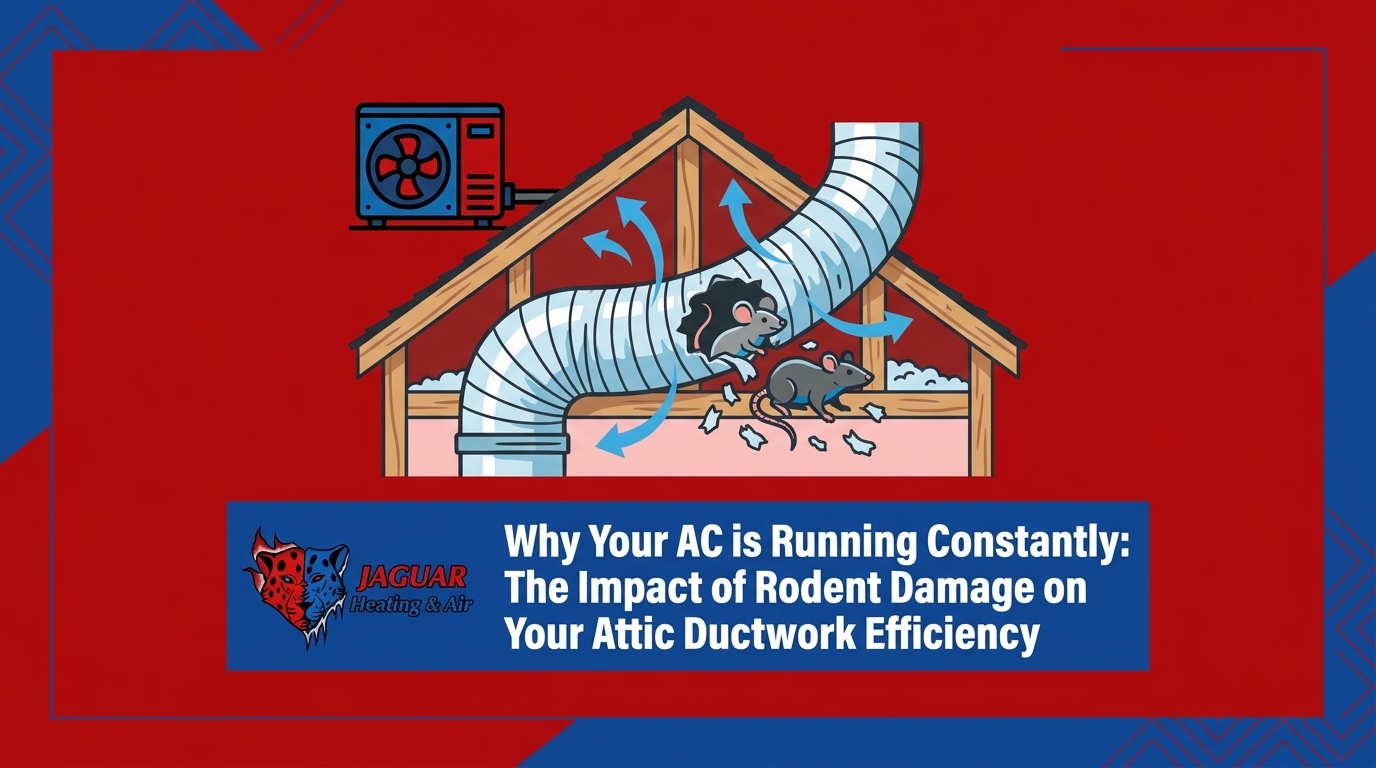
The Impact of Rodent Damage on Your Attic Ductwork Efficiency
If your cooling system runs constantly but your home stays warm, roof rats may have chewed through your flex ducts. See why a tape patch isn't enough to safely restore your system's airflow.

How Proper Refrigerant Charge Impacts Your Monthly SMUD Bill
Blaming lingering Sacramento heat for high September electricity usage? A minor 10% refrigerant undercharge forces your AC to run drastically longer, quietly multiplying your energy costs.
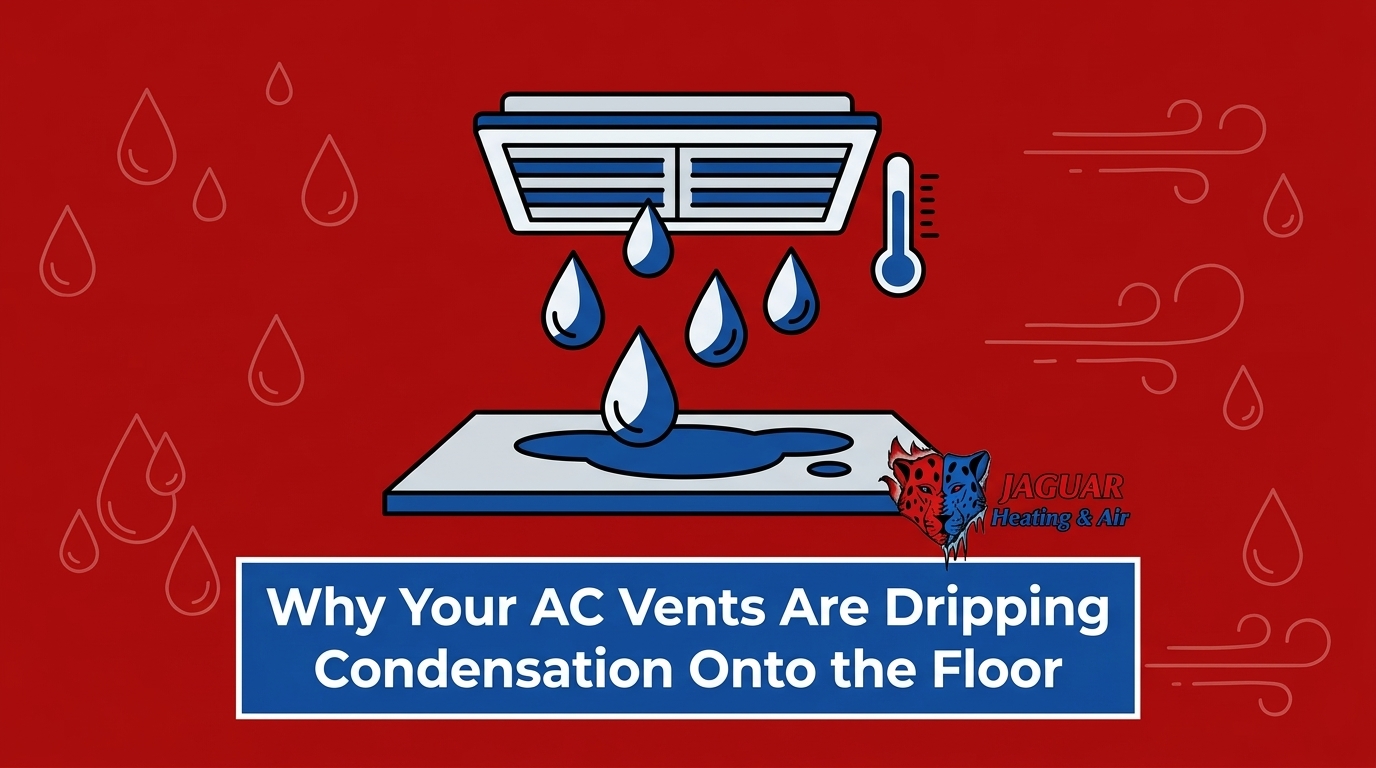
Why Your AC Vents Are Dripping Condensation Onto the Floor
Water pooling under your ceiling registers is a stressful surprise. Understand the physics behind sweating duct boots and know when to call a professional before drywall damage occurs.