.avif)
Decoding the October Heating Startup: AC Repair and Fall Maintenance in Sacramento, CA
Burning dust smells on the first chilly night? Use this seasonal home maintenance checklist to see what is normal and when to call a pro on this startup.
Burning dust smells on the first chilly night? Use this seasonal home maintenance checklist to see what is normal and when to call a pro on this startup.

The First Chilly Night: Why October Tests Your Sacramento HVAC System
The first chilly night of the mid-fall October heating startup arrives, and you walk over to adjust your thermostat. Instead of feeling cozy, warm air filling your rooms, you are hit with a harsh burning smell and a weak breeze of lukewarm drafts. Dealing with a struggling HVAC system right as the weather turns is a frustrating experience, which is why following a thorough seasonal home maintenance checklist is critical right now. When you need dependable air conditioning services or fast AC repair in Sacramento, knowing what to look for makes all the difference.
The sudden shift from cooling to heating always brings a specific type of homeowner anxiety. You expect your furnace to work flawlessly the moment you switch it on. However, those initial heating cycles often reveal hidden wear-and-tear that accumulated over the long, demanding summer. Your system has been working overtime for months, and the transition period is exactly when stressed components decide to give out.
You are immediately faced with a critical decision point: is that strange odor coming from your vents just a harmless dust burn-off, or is it a sign of a failing component that requires professional intervention? Ignoring a serious mechanical issue can lead to a complete breakdown just as the freezing winter nights set in. On the other hand, panicking over normal seasonal smells creates unnecessary stress.
Proactive seasonal maintenance is your best defense against these surprises. By understanding how your system transitions from cooling to heating, you can spot the warning signs early. Taking the time to evaluate your equipment now ensures that your family stays safe, comfortable, and warm without facing emergency repairs during the busiest time of the year.
The Hidden Toll of Summer Heat on Shared HVAC Components
Most homeowners in Sacramento, CA, view their air conditioner and their furnace as two completely separate machines. The reality is that they rely on several shared internal components to function. When Sacramento's triple-digit summer heat waves severely stress your system, that damage carries over directly into your fall heating performance.
The blower motor is the hardest-working shared component in your system. Whether you are blasting cold air in July or warm air in November, the blower motor is responsible for pushing that treated air through your ductwork. After months of running nearly non-stop to combat severe valley heat, the bearings in the motor can dry out, and electrical connections can loosen.
A typical pattern we see involves the blower fan simply giving up after months of heavy strain. For example, one local homeowner's blower fan completely failed late on a Friday night during a severe heat wave. Because these shared components require immediate attention, a technician was dispatched the following morning, and the system was repaired within minutes. That very same blower fan is what your furnace relies on to distribute heat right now.
If your AC blower motor sounds like a jet engine at the end of summer, it will likely struggle to start up when the furnace calls for heat.
How Shared Components Carry Summer Damage into Fall
Transitioning from cooling to heating forces mechanical parts to change their operational rhythm. Here is exactly how summer strain turns into fall heating failures:
1. The Indoor Air Handler Overworks: The air handler runs continuously during summer to manage humidity and temperature. By October, the internal fan belts and motors are worn down, making the switch to heating a jarring mechanical shift.
2. Capacitor Degradation: The electrical capacitors that help start your blower motor take a beating during summer power fluctuations. A weak capacitor might manage to turn the fan on in summer, but the added demand of the furnace ignition sequence can push it past its breaking point.
3. Vibration and Loose Wiring: Months of continuous vibration loosen the electrical terminals connecting the thermostat to the control board. This often results in delayed starts or a furnace that clicks but never actually ignites.
4. Mechanical Strain Symptoms: If you hear grinding noises, loud squealing, or notice that it takes several minutes for air to flow after the thermostat clicks, your shared components are heavily strained.
Burning Dust vs. Electrical Danger: Decoding Fall Startup Smells
The most common cause for alarm during the first fall heating cycle is a sudden, strong odor coming from the vents. Understanding the mechanics behind this smell is crucial for your safety. Sacramento's dry valley dust accumulates heavily during the long summer, coating the internal heating components of your furnace, particularly the heat exchanger.
The Problem: Your heat exchanger sits completely idle for months. During this time, household dust, pet dander, and airborne particulate matter settle directly on its metal surface.
The Cause: When you turn the heater on for the first time, the burners ignite, and the heat exchanger rapidly heats up to several hundred degrees. This sudden temperature spike literally incinerates the layer of accumulated dust, sending a distinct burning smell through your ductwork.
The Solution: Knowing the difference between this normal process and a dangerous mechanical failure prevents unnecessary panic and protects your home.
When to Wait it Out and When to Turn it Off
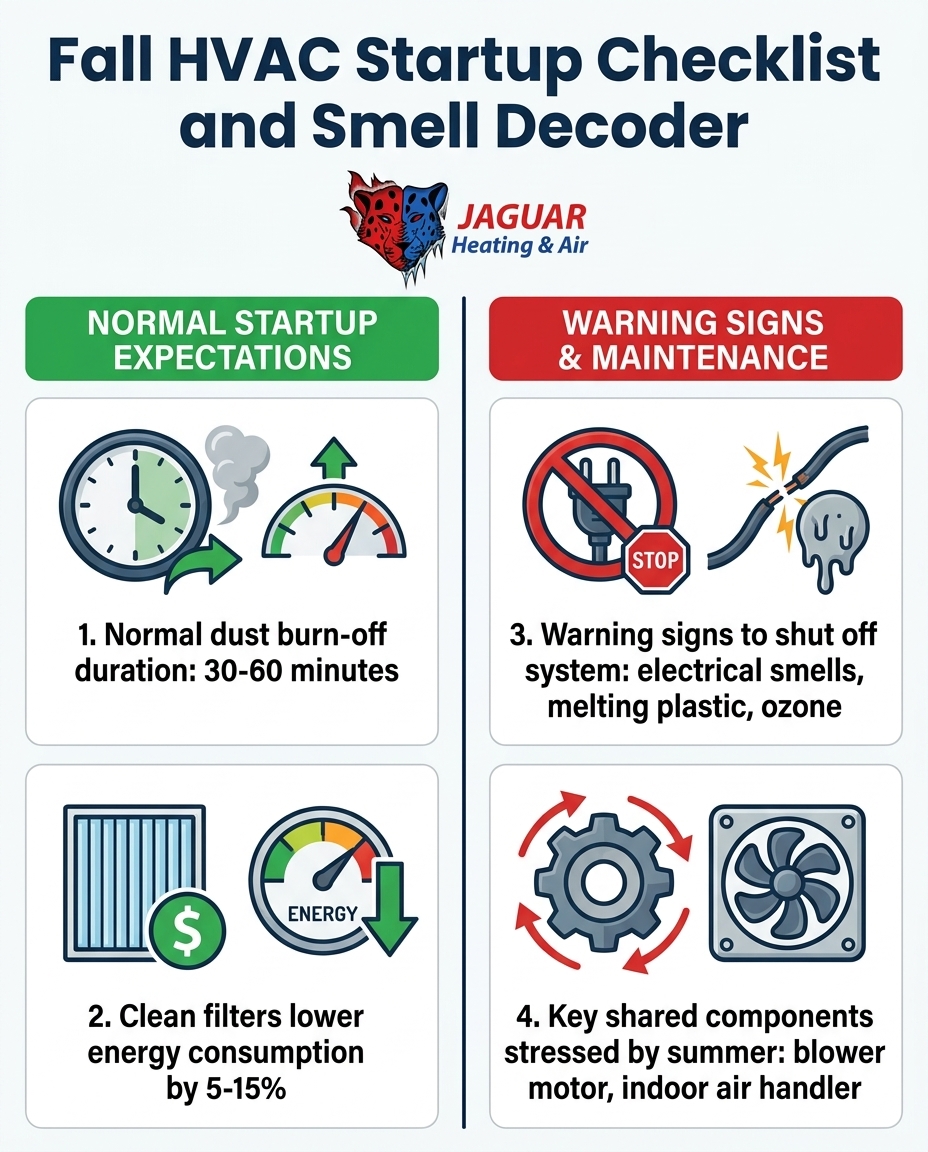
A normal dust burn-off has very specific characteristics. It usually smells like warm, toasted dirt. The odor should begin fading within 10 to 15 minutes of the system running, and it should disappear entirely within 30 to 60 minutes. Opening a few windows during this initial cycle is usually all it takes to clear the air.
However, certain odors require immediate action. If you detect any of the following smells, shut off your system immediately at the thermostat and flip the breaker on your electrical panel:
• Melting Plastic: This indicates that an electrical wire is overheating and melting its protective casing.
• Ozone or Electrical Sparks: A sharp, metallic, or "metallic-sweet" smell usually points to a failing blower motor or a short-circuit in the control board.
• Rotten Eggs or Sulfur: This is the chemical additive placed in natural gas. If you smell this, you have a gas leak. Shut off the system, leave the house, and call your utility provider immediately.
• Acrid Rubber: A burning rubber smell often means a fan belt has slipped or is burning up against a moving part.
Why Lingering AC Problems Might Actually Be a Dirty Filter Issue
During the mid-fall October heating startup, many homeowners assume their system is broken when it fails to produce strong airflow. Before assuming the worst about your furnace, you must check the most foundational element of your HVAC system: the air filter. The heavy lifting your AC did all summer directly impacts the filter's condition right now.
According to Department of Energy data, replacing a dirty, clogged filter with a clean one lowers energy consumption by 5% to 15%. That is a massive efficiency gain from a simple maintenance task. Throughout the summer, your filter traps an immense amount of dust, pollen, and debris. If you forget to change it before turning on the heat, you are forcing your furnace to breathe through a thick blanket of dirt.
A restricted filter severely chokes airflow. When the furnace cannot pull enough cold air in, it cannot push enough warm air out. This lack of airflow causes the internal heat exchanger to overheat rapidly. Modern furnaces have safety switches that will automatically shut the system down if it gets too hot. This results in "short-cycling"—where the heater turns on, runs for a few minutes, shuts off abruptly, and then tries again. This constant stopping and starting wastes energy and damages the equipment.
Furthermore, as houses are sealed tightly against cooler weather, indoor air quality plummets if you run air through a filthy filter. Establishing regular filter changes is the absolute foundation of any effective seasonal maintenance plan. It is the easiest way to prevent the need for routine AC maintenance turning into a major winter repair.
Assessing System Health Before Winter Freezes Hit
As the weather cools in Sacramento, CA, evaluating the overall condition of your HVAC system becomes a top priority. You need to know if your equipment is reliable enough to handle the upcoming winter. Proactive assessment prevents you from waking up in a freezing house in January.
The EPA strongly recommends having a qualified technician inspect heating systems every fall to prevent carbon monoxide leaks and ensure efficiency. Carbon monoxide is a colorless, odorless gas produced during the combustion process. If your heat exchanger develops a hairline crack due to age or overheating, that dangerous gas can leak directly into your living spaces. A professional assessment is the only way to verify the structural integrity of these internal components.
Evaluating the age and efficiency of your current system is vital after a grueling summer. If your unit is over 10 to 15 years old, it has likely lost a significant amount of its original operating efficiency. You might notice that your utility bills are creeping up even when you keep the thermostat at a steady temperature. Sometimes, what seems like a standard repair reveals a broader need for an upgrade. One homeowner in the greater Sacramento area called about a failing system that was struggling to keep up. A thorough inspection revealed that a complete AC replacement and coil upgrade was the safest, most efficient path forward. Upgrading restored their comfort and drastically reduced their monthly energy draw.
Repair, Clean, or Replace: Making the Right Call
Deciding how to proceed with an aging system requires looking at the facts. Here is how you can evaluate your next steps:
• Under 10 years old, minor airflow issues, dusty smells. — Recommended Action: Deep Cleaning & Tune-Up — Expected Outcome: Restores airflow, eliminates odors, prevents short-cycling.
• Frequent breakdowns, loud mechanical noises, poor heating. — Recommended Action: Targeted Component Repair — Expected Outcome: Fixes the immediate issue, but requires monitoring for future failures.
• Over 15 years old, cracked heat exchanger, rising energy bills. — Recommended Action: System Replacement — Expected Outcome: Ensures winter safety, maximizes energy efficiency, resets warranty.
The value of a professional second opinion cannot be overstated. Sometimes perceived catastrophic failures are simply a need for a deep cleaning of the evaporator coils and blower components. Addressing these repairs in the fall saves you from paying emergency winter rates when local technicians are booked out for days.
What a Professional Pre-Winter Inspection Actually Entails
Many homeowners wonder what actually happens during a professional fall tune-up. A comprehensive inspection goes far beyond just changing the filter and wiping down the cabinet. It is a rigorous safety and performance evaluation designed to prepare your mid-fall October heating startup for the months ahead.
Jaguar Heating & Air brings deep local expertise to Sacramento's specific climate challenges, offering rapid response times for seasonal inspections. Our technicians understand exactly how the valley dust and extreme summer heat impact local equipment. When a licensed professional inspects your system, they follow a strict protocol.
Here is what a thorough pre-winter inspection entails:
• Heat Exchanger Integrity Check: Technicians use specialized cameras to inspect the heat exchanger for microscopic cracks, ensuring no carbon monoxide can escape into your home.
• Electrical Connection Tightening: Every wire, terminal, and capacitor is tested and tightened to prevent electrical shorts and ensure the blower motor receives consistent voltage.
• Gas Pressure Calibration: The gas valve is tested and adjusted to ensure the burners receive the exact amount of fuel needed for efficient, clean combustion.
• Safety Control Verification: High-limit switches and flame sensors are tested to guarantee the system will shut itself down safely if a malfunction occurs.
• Thermostat Calibration: The thermostat is tested against the actual room temperature to ensure it communicates accurately with the control board.
• Ignition Sequence Testing: The entire startup process is monitored to ensure the igniter glows properly and the burners light smoothly without delayed ignition (which causes a small, dangerous gas buildup).
The peace of mind that comes from a professional inspection is invaluable. Knowing that your system has been cleared by a certified expert means you can turn on your heat with confidence, knowing it is safe and ready for peak winter demand.
Sacramento Homeowner FAQs: Fall HVAC Startup and AC Repair
Why does my heater smell like burning dust?
Your heater smells like burning dust because the heat exchanger collects particulate matter while sitting idle all summer. When the burners ignite for the first time in fall, they rapidly incinerate this layer of accumulated dirt. This normal burn-off process creates a toasted smell that should completely dissipate within 30 to 60 minutes of operation. If the smell persists or smells like melting plastic, shut the system down immediately.
What is included in a fall HVAC tune up?
A fall HVAC tune-up includes a comprehensive safety and performance evaluation of your entire heating system. A technician will inspect the heat exchanger for cracks, tighten all electrical connections, and test the safety limit switches. They also calibrate the gas pressure, clean the burners, and verify that the blower motor is operating smoothly. This ensures the system runs efficiently and safely throughout the winter.
How often should you have your HVAC system serviced in Sacramento CA?
You should have your HVAC system serviced twice a year to maintain peak performance and safety. Schedule an air conditioning inspection in the spring to prepare for the triple-digit summer heat, and a heating inspection in the fall to prepare for winter. Regular biannual maintenance prevents unexpected breakdowns, extends the lifespan of your equipment, and keeps your energy bills manageable.
What should be on a fall home maintenance checklist?
A proper fall home maintenance checklist should prioritize preparing your home for colder weather and increased indoor time. This includes replacing your HVAC air filters, scheduling a professional furnace inspection, and testing all smoke and carbon monoxide detectors. You should also clear debris from the outdoor AC condenser unit and check your windows and doors for drafts that could force your heater to work harder.
How do I prepare my HVAC system for winter?
Prepare your HVAC system for winter by first replacing the dirty air filter left over from heavy summer usage. Next, clear any leaves, branches, or tall grass away from your outdoor unit to ensure proper airflow. Finally, schedule a professional pre-winter inspection to verify that the heat exchanger is intact and the burners are firing correctly. Taking these steps prevents freezing breakdowns in January.
Is it normal for my AC blower to sound loud when switching to heat?
It is not normal for your AC blower to sound exceptionally loud, grinding, or squealing when switching to heat. While you will hear the normal rush of air, harsh mechanical noises indicate that the blower motor bearings are worn out or a fan belt is failing after a long summer of cooling. Have a technician inspect the blower motor immediately to prevent a total system failure.
Secure Your Comfort Before the Winter Rush
The transition from summer cooling to winter heating is the most vulnerable time for your home's comfort system. The mid-fall October heating startup is your first real opportunity to identify the hidden wear-and-tear that accumulated over the summer months. Addressing these issues early prevents minor mechanical strain from turning into a freezing, stressful breakdown in the middle of winter.
Proactive fall maintenance is the smartest investment you can make for your home's safety and efficiency. By replacing dirty filters, monitoring those initial startup smells, and having a professional evaluate your shared components, you ensure a reliable season ahead. Do not wait for the first freezing night to discover your furnace is struggling. Schedule a comprehensive pre-winter inspection and AC repair in Sacramento today to secure your peace of mind and keep your family comfortable all winter long.
Recent Posts
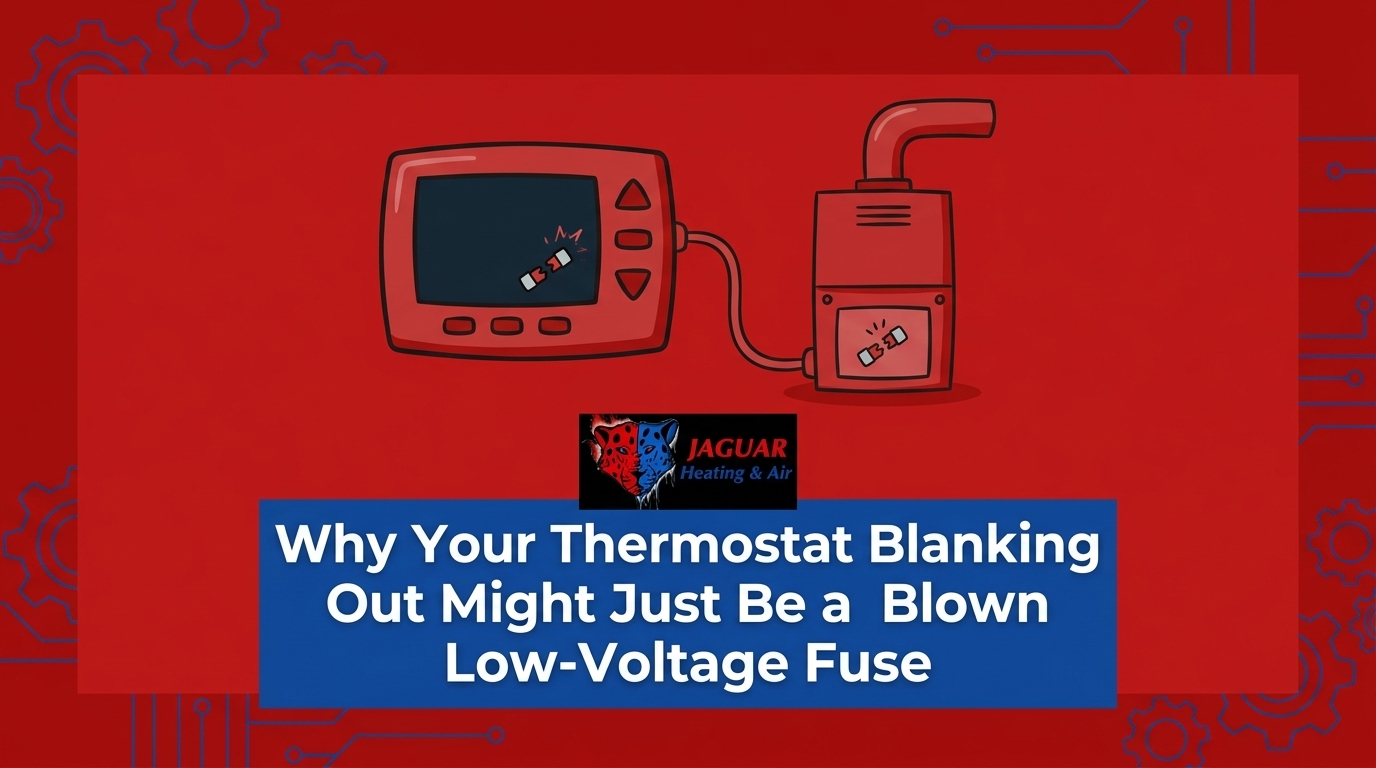
Why Your Thermostat Blanking Out Might Just Be a Blown Low-Voltage Fuse
A completely dead thermostat screen right as fall begins often triggers panic. See why a blown 3-amp low-voltage fuse is actually protecting your furnace control board.
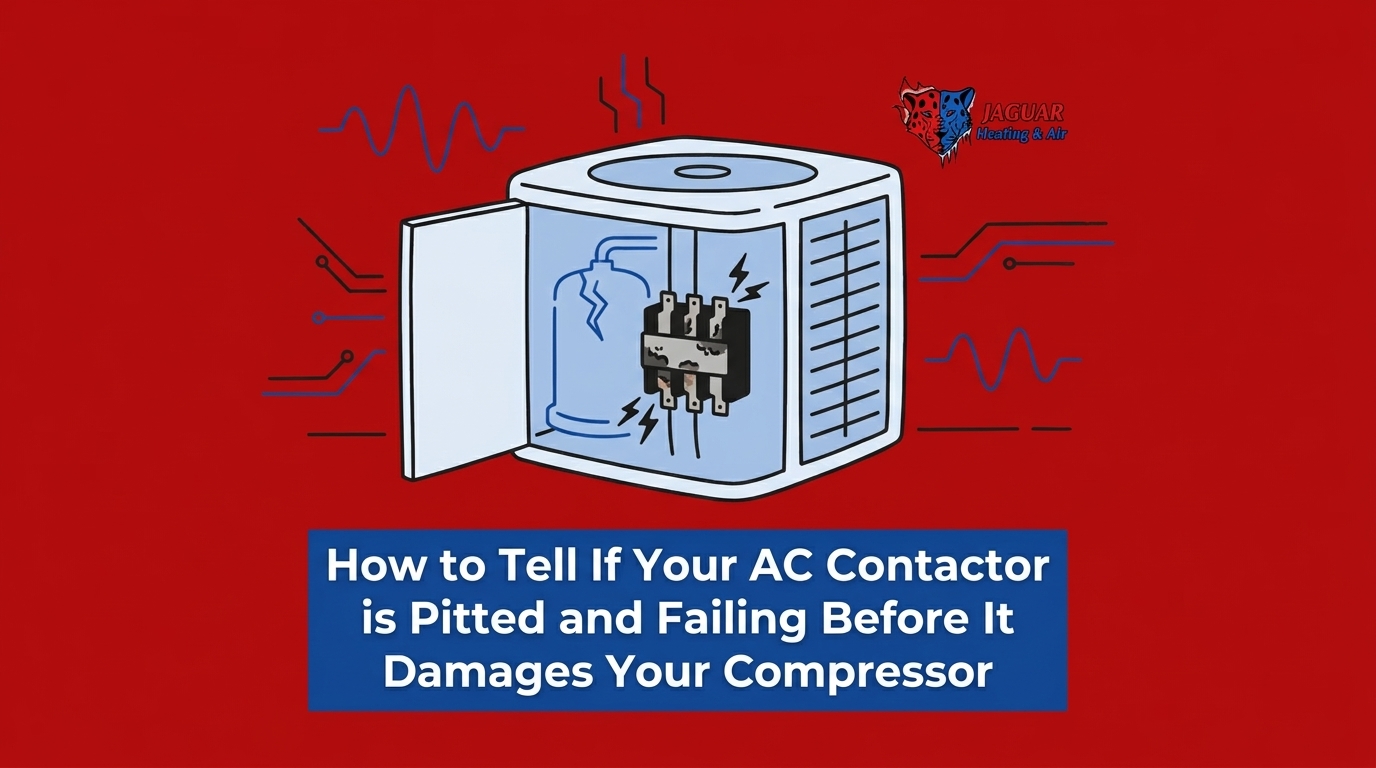
How to Tell If Your AC Contactor is Pitted and Failing
After thousands of high-load cycles this summer, your AC's electrical components are exhausted. Catching a failing contactor early prevents a catastrophic compressor breakdown this fall.
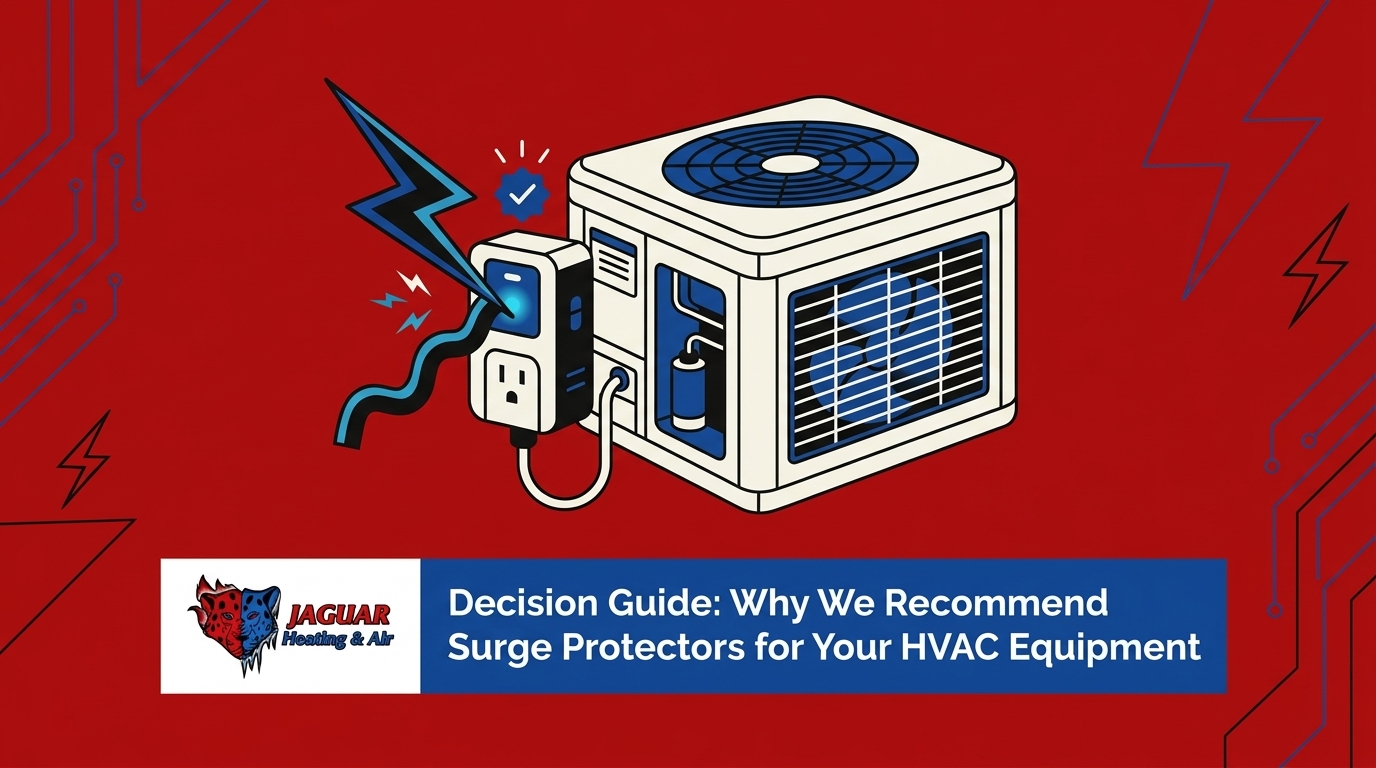
Why We Recommend Surge Protectors for Your HVAC Equipment
A standard circuit breaker isn't enough to protect modern heating and cooling systems from grid spikes. Find out how a dedicated safeguard prevents catastrophic control board failures.