.avif)
Why We Recommend Surge Protectors for Your HVAC Equipment
A standard circuit breaker isn't enough to protect modern heating and cooling systems from grid spikes. Find out how a dedicated safeguard prevents catastrophic control board failures.
A standard circuit breaker isn't enough to protect modern heating and cooling systems from grid spikes. Find out how a dedicated safeguard prevents catastrophic control board failures.

The Myth of Total Protection: Why Your HVAC Needs Its Own Defense
A common misconception among homeowners is that a standard circuit breaker panel provides an impenetrable shield for all the electronics inside the house. If you are wondering why we recommend surge protectors for your HVAC equipment, the answer starts with debunking this dangerous myth. Standard breakers are designed to prevent fires by tripping when a circuit is overloaded, but they do not stop high-speed, grid-level voltage spikes from reaching your sensitive heating and cooling systems. When these massive surges bypass your basic panel, they head straight for the delicate control boards that run your home comfort systems.
In the Sacramento region, late-summer grid spikes and rolling blackouts create the perfect storm for catastrophic control board failure. Every time the power grid struggles and resets, your equipment absorbs the shock. You are ultimately faced with a critical decision: invest in a dedicated safeguard right now, or risk massive disruption and costly repairs later when your system completely fails during extreme weather. To keep your home comfortable, you need a defense strategy built specifically for modern technology.
Ready to protect your comfort? Whether you need an evaluation of your current air conditioning systems or you are already looking for fast AC repair after a sudden breakdown, our team is here to help.
Why Modern HVAC Systems Are More Vulnerable Than Ever
If you grew up with older air conditioning and heating units, you might remember them as heavy, rugged machines that seemed to run forever. Those legacy systems were primarily mechanical. They relied on simple contactors, heavy-duty motors, and basic relays. Today, the landscape is entirely different. Modern HVAC systems are highly advanced pieces of technology, functioning more like large computers than simple mechanical engines. While this shift brings incredible energy efficiency and precise temperature control, it also introduces a severe vulnerability to electrical fluctuations.
The Shift to Microprocessors and Inverter Boards
To meet modern efficiency standards, manufacturers have replaced simple on-and-off switches with complex electronic controls. Today's high-efficiency systems utilize inverter technology and variable-speed compressors. These components allow your system to ramp up and down smoothly rather than blasting at full capacity all the time. However, to achieve this, the system relies on sensitive microprocessors and inverter boards.
These electronic brains are just as delicate as a high-end laptop or a smart television. They require a perfectly steady flow of voltage to function correctly. When a voltage anomaly hits a modern unit, it does not just blow a cheap fuse. It can instantly fry the complex logic gates on the inverter board, rendering the entire system useless until that specific, highly engineered part is replaced.
The Cumulative Damage of Micro-Surges
It is easy to assume that electrical damage only happens during a massive, singular event like a lightning strike. However, the reality is much more insidious. Your home experiences dozens of micro-surges every single day. These are tiny, imperceptible voltage fluctuations caused by large appliances turning on and off, or minor shifts in the local power grid.
• Appliance cycling: When a refrigerator or washing machine kicks on, it temporarily draws excess power, creating a micro-surge on shared lines.
• Wire degradation: Older home wiring can cause slight resistance changes, leading to uneven voltage delivery.
• Component fatigue: Every minor surge acts like a tiny hammer blow to the microprocessors in your HVAC unit.
Over time, these daily micro-surges weaken the electronic components. The damage is cumulative. Eventually, a seemingly minor electrical event causes the already weakened board to fail completely. This gradual degradation is often a hidden factor behind why your AC compressor overheats or suddenly refuses to start on a mild afternoon.
The Hidden Threat: Rolling Blackouts and Inrush Current
Many homeowners believe that if they live in an area with very few thunderstorms, they do not need to worry about power surges. This is a massive misunderstanding of how the electrical grid operates. Lightning strikes are actually quite rare, but grid-level voltage fluctuations are incredibly common. The real threat comes from the very infrastructure that powers our neighborhoods, especially during periods of extreme demand.
In our area, intense heatwaves put immense strain on the local SMUD and PG&E grids. This frequently leads to Flex Alerts and rolling blackouts to prevent total grid failure. While the blackout itself is frustrating, the true danger to your equipment happens the exact moment the power comes back on.
What Happens When the Power Comes Back On?
When electricity is restored after a blackout, it does not return as a gentle, perfectly measured flow. Instead, a massive spike of electricity—known as inrush current—slams into your home's electrical panel. Because thousands of homes and appliances are all demanding power at the exact same millisecond, the voltage spikes well beyond standard operating levels before stabilizing.
The mechanics of inrush current:
1. The grid restores connection to your neighborhood.
2. A massive wave of high voltage rushes into your home's main panel.
3. The current travels instantly down the lines to your heavy appliances.
4. Unprotected HVAC systems absorb this high-voltage shock directly into their sensitive inverter boards.
This threat is especially severe during September early-fall grid spikes. During this seasonal transition, lingering heat keeps cooling demand extremely high, while grid infrastructure is already stressed from a long summer. A sudden inrush current hitting an unprotected air conditioner or heat pump can instantly fry the control board or short out the compressor, leaving you without climate control right when you need it most.
Comparison: Whole-House vs. Dedicated Point-of-Use Surge Protection
When homeowners realize the danger of power surges, they often look into whole-house surge protectors. While a whole-house system is an excellent upgrade for your property, it is not a complete solution on its own. To fully safeguard your sensitive heating and cooling equipment, you need to understand the difference between broad panel protection and dedicated point-of-use defense.
Layering Your Defenses
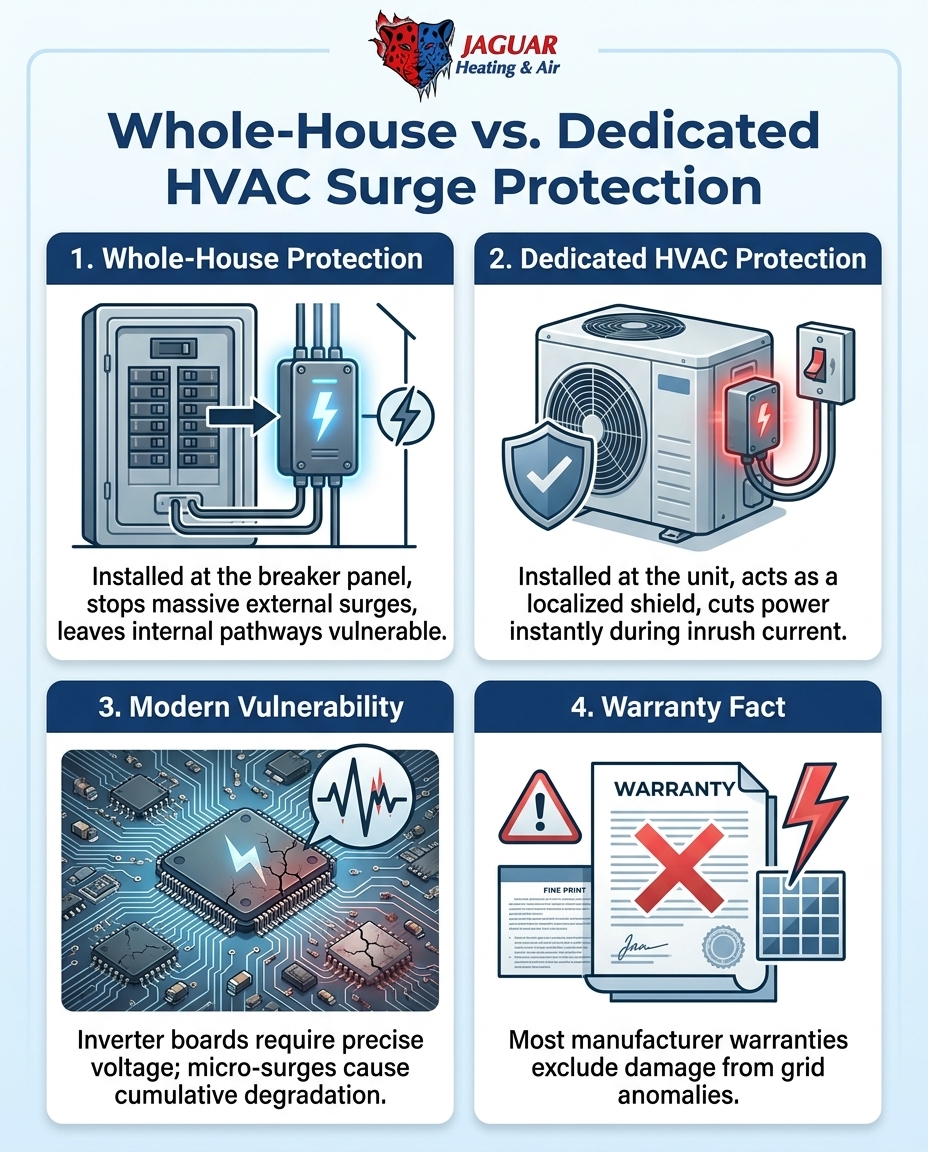
A whole-house surge protector is installed directly at your main breaker panel. Its job is to act as a gatekeeper, stopping massive external surges from entering your home's internal wiring. However, a whole-house unit has limitations. It cannot stop surges that originate inside the home (such as those caused by a failing heavy appliance), and some residual voltage from a massive grid spike can still slip past the panel.
A dedicated point-of-use HVAC surge protector is installed directly at the condenser or air handler. It acts as a localized, final line of defense. If a voltage spike slips past the main panel, or if the grid sends an incredibly sharp inrush current, the dedicated HVAC protector detects the dangerous voltage and cuts power to the unit instantly, sacrificing itself to save your expensive equipment.
• Installation Location — Whole-House Surge Protector: Main electrical breaker panel — Dedicated HVAC Surge Protector: Directly on the HVAC unit
• Primary Function — Whole-House Surge Protector: Blocks large external surges from entering the home — Dedicated HVAC Surge Protector: Shields specific HVAC electronics from all surges
• Internal Surge Defense — Whole-House Surge Protector: Limited (cannot stop surges originating on same circuit) — Dedicated HVAC Surge Protector: High (stops surges right before they hit the board)
• Response Time to Inrush — Whole-House Surge Protector: Fast, but allows some residual voltage through — Dedicated HVAC Surge Protector: Instantaneous, cutting power to the delicate board
• Best Application — Whole-House Surge Protector: General protection for standard household items — Dedicated HVAC Surge Protector: Mandatory protection for sensitive inverter boards
The most effective strategy is a layered approach. Having a whole-house unit protects your standard appliances, but adding a dedicated HVAC protector is a non-negotiable step for ensuring the longevity of your modern climate control system.
The Cost of Inaction: Avoiding Massive Disruption
When evaluating whether to add a surge protector to your system, it is important to weigh the straightforward, preventative step against the massive disruption of a total system failure. Losing your climate control during extreme weather is not just an inconvenience; it completely disrupts your home life.
Consider the realities of a sudden breakdown. One local homeowner reached out to us during a brutal stretch of triple-digit summer heat because their home was simply not cooling effectively. Our technician arrived quickly, diagnosed the underlying problem, and explained the available options to get the equipment running again. The house was cooling down effectively shortly after the service, but situations like this highlight a very real danger. If a power surge had completely fried their control board during that heatwave, a quick fix would not have been possible. They would have been waiting days for a specialized replacement part to ship, enduring severe heat inside their own home.
True professionals will always recommend a small upfront safeguard to save you from severe headaches later. We believe in proactive, preventative expertise. We would much rather install a dedicated protector today than watch you suffer through a massive financial disruption next month. When a sudden grid spike takes out an inverter board, the labor and parts required to rebuild the system are extensive.
As the season transitions toward cooler weather, ensuring both your cooling and heating electronics are shielded is critical for year-round comfort. A fried board will shut down your heat just as quickly as your air conditioning, leading to urgent calls for heating repair on the first freezing night of the year. Taking action now prevents these costly, avoidable repairs.
Warranty Fine Print: Why 'Acts of Nature' Leave You Exposed
A frequent objection we hear is, "My system is brand new, so the warranty will cover any electrical damage." Unfortunately, this is rarely the case. If you read the fine print of most major HVAC manufacturer warranties, you will find specific clauses that explicitly exclude damage caused by external factors.
Manufacturers guarantee that their equipment is free from factory defects. They do not guarantee the stability of your local power grid. If an inverter board fries due to a rolling blackout, a lightning strike, or a neighborhood power surge, the manufacturer classifies this as an "act of nature" or a "power supply issue." As a result, the homeowner is typically held fully responsible for the replacement costs, which include both the expensive electronic parts and the specialized labor to install them.
Installing a dedicated surge protector does more than just protect the physical equipment; it safeguards your entire investment. It ensures that you do not end up paying out of pocket for major repairs on a system that is only a few years old.
This level of protection ties directly into broader system health. Just as you schedule routine HVAC maintenance to keep the mechanical parts lubricated and clean, adding surge protection keeps the electrical brains of the operation safe from unpredictable grid behavior.
Frequently Asked Questions About HVAC Surge Protection
Do I really need a surge protector for my AC?
Yes, adding a surge protector is highly recommended for any modern AC unit. Today's air conditioners use highly sensitive electronic control boards and microprocessors to manage efficiency. These components are easily damaged by daily micro-surges and major grid fluctuations. A dedicated protector acts as a localized shield, cutting power instantly before a spike can fry your system.
Will a whole house surge protector protect my HVAC?
A whole-house surge protector offers excellent general defense, but it is often not enough for sensitive HVAC equipment. Whole-house units are installed at the main breaker and stop large external surges, but they cannot catch surges originating inside the home's wiring. For complete protection, you need a layered approach with a dedicated unit installed directly at the HVAC system.
What happens when a power surge hits an AC unit?
When a sudden surge hits an unprotected AC unit, the excess voltage travels straight into the electronic components. This can instantly melt delicate wiring, blow capacitors, and permanently fry the main control board or inverter board. In severe cases, the surge can also damage the compressor motor, leading to a complete and immediate system failure.
Does HVAC warranty cover power surges?
Most major manufacturer warranties explicitly exclude damage caused by power surges. Manufacturers view grid anomalies, lightning strikes, and blackouts as external "acts of nature" rather than factory defects. If your system is damaged by a surge, you will likely be responsible for the full cost of replacement parts and labor.
How does inrush current damage an HVAC compressor?
Inrush current is the massive spike of electricity that floods your home the moment power is restored after an outage. Because the voltage spikes well above normal operating levels, it forces the HVAC compressor and electronic boards to absorb a violent electrical shock. This sudden jolt degrades the insulation inside the compressor motor and destroys sensitive microprocessors.
Can a power outage permanently damage my heating and cooling system?
The outage itself simply turns the system off, but the events surrounding the outage can cause permanent damage. The voltage drops (brownouts) leading up to an outage force motors to overwork, and the inrush current when power returns sends a dangerous spike through the electronics. Without dedicated surge protection, these events can easily cause permanent, catastrophic damage.
Protect Your Investment Before the Next Grid Spike
Understanding why we recommend surge protectors for your HVAC equipment comes down to recognizing the vulnerabilities of modern technology. Your heating and cooling system is one of the most significant investments in your home, relying on sensitive microprocessors that demand steady, clean electricity. In the Sacramento region, where grid strain and rolling blackouts are a seasonal reality, leaving these delicate components exposed to sudden voltage spikes is a massive risk.
An HVAC-specific surge protector is a necessary shield that provides true peace of mind. It stands between your expensive equipment and the unpredictable nature of the local power grid, ready to sacrifice itself to keep your family comfortable. Do not wait for a sudden blackout to test the resilience of your control board. Schedule a professional evaluation today to safeguard your climate control systems before the next major grid spike hits.
Recent Posts
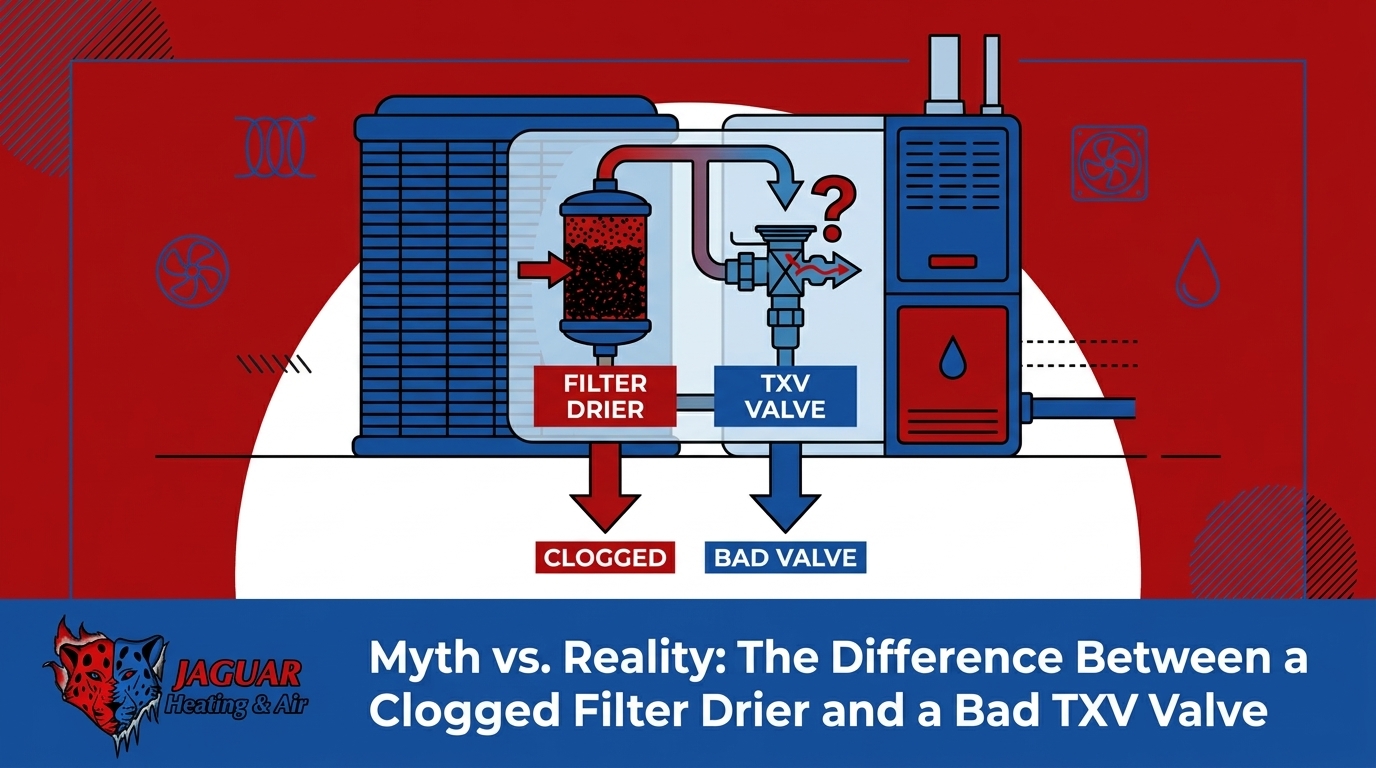
The Difference Between a Clogged Filter Drier and a Bad TXV Valve
An AC that blows warm air isn't always leaking refrigerant—it might be suffering from a flow restriction. Find out how technicians trace the bottleneck to restore your cooling.
How Sacramento's Hard Water Affects Your Evaporative Cooler Pads
By September, Sacramento's heavy mineral content often turns swamp cooler pads into rock-hard blocks. See why airflow drops drastically and weigh your end-of-season options.
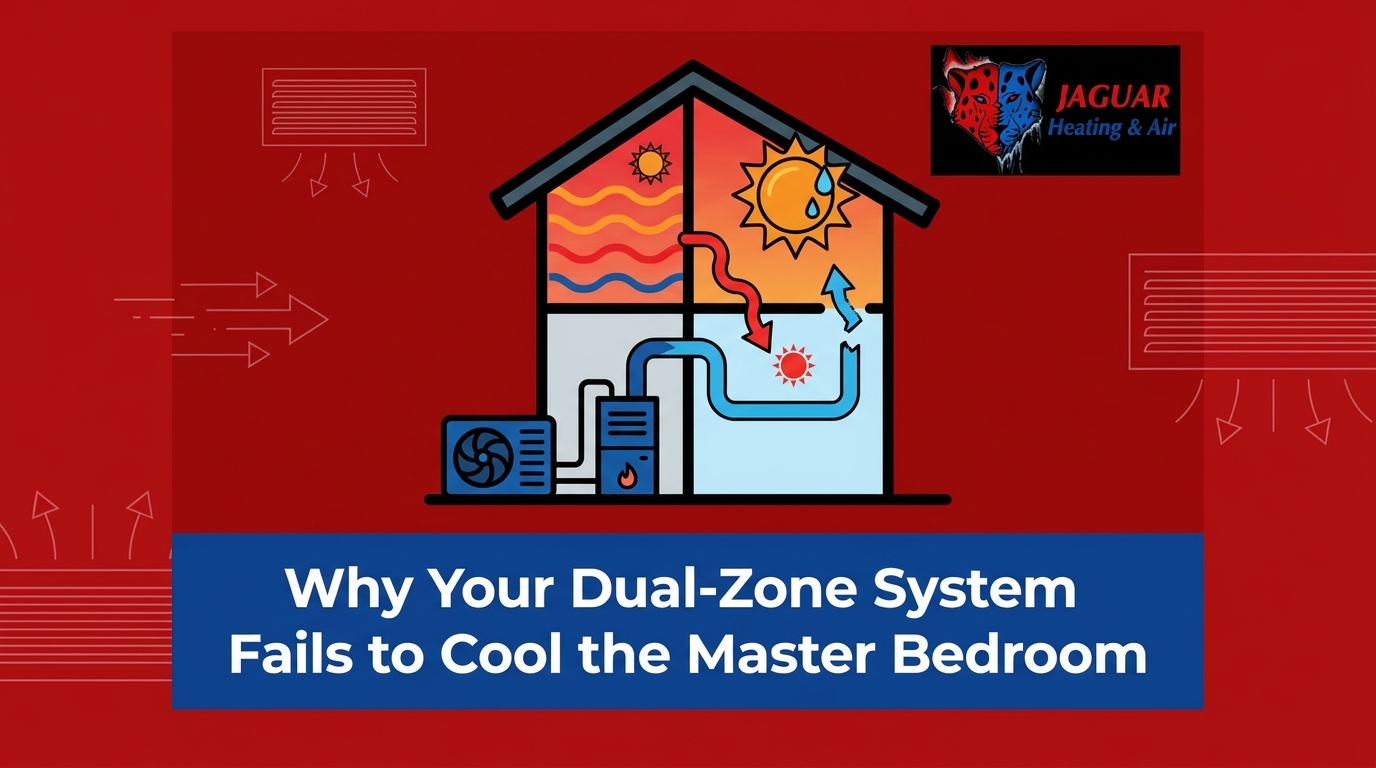
Why Your Dual-Zone System Fails to Cool the Master Bedroom
Persistent temperature imbalances in your master suite are rarely a main AC capacity issue. Discover how stuck motorized zone dampers disrupt airflow and why a pre-season diagnostic is crucial.